Plumbing problems in India arrive by season. The rains find the joint behind the tiles and surcharge the drains. The summer empties the tank at 7 am and brings tanker water with silt in it. The winter switches the geyser on and finds its connectors have dried out. This is the calendar, with what to check in each season and what the call costs if a check finds something.
Before the monsoon: the one afternoon that matters
Pick a weekend in May. Most of this is looking, not fixing.
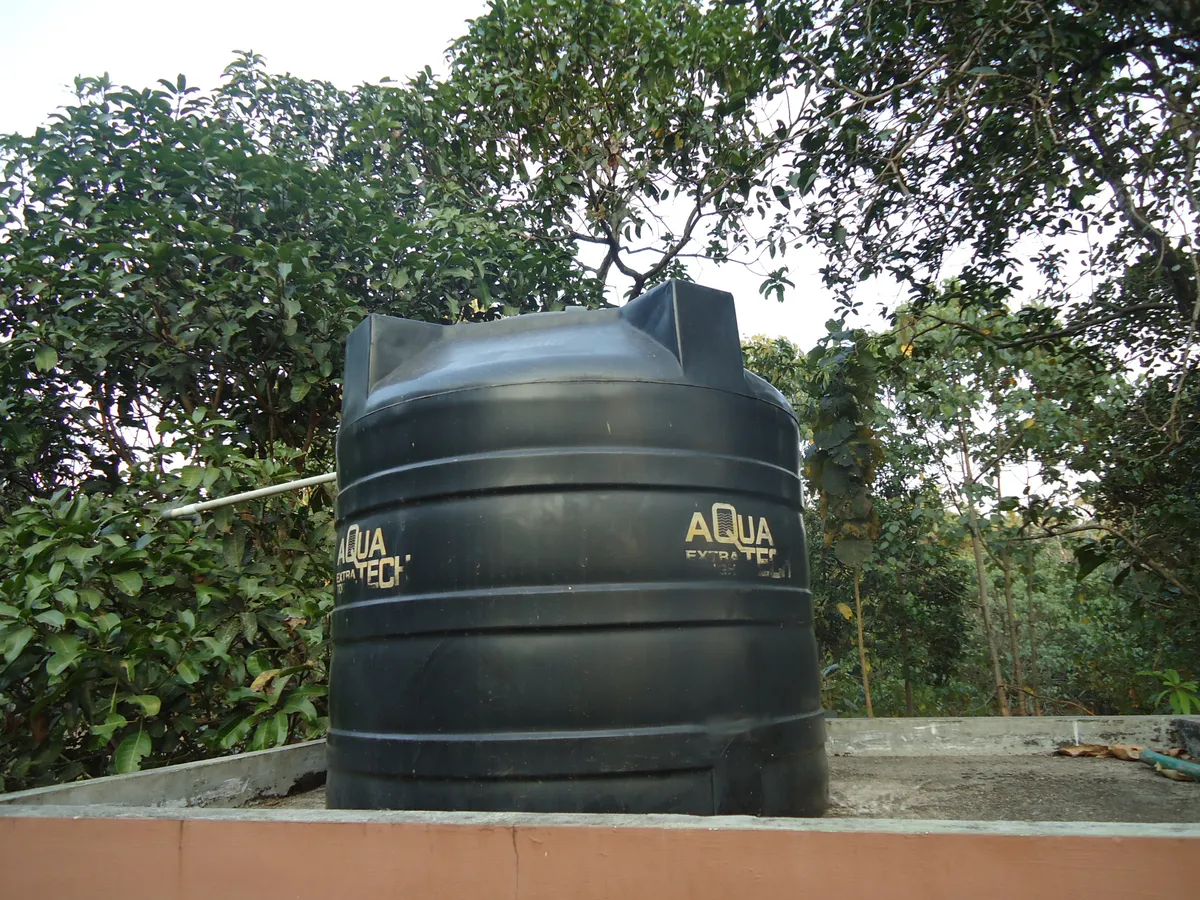
On the roof. Open the tank lid and look in with a torch. A layer of sediment, a green film or a smell means a clean is due; ₹1,200 for up to a thousand litres. Move the float by hand; it should swing freely. Check the overflow pipe is clear and ends somewhere you would see water. Check the lid seals; a monsoon with the lid off is a tank full of leaves and mosquito larvae.
The terrace drains. Every rainwater outlet on the roof should have its grating in place and clear. A blocked terrace drain in the first heavy rain puts water through the slab and into the top-floor ceiling, and it is often blamed on the plumbing.
The exposed pipe. Walk the line from the tank to the shaft. Look for white crust at CPVC joints, rust bloom on GI, a clamp that has come away so the pipe hangs. A weeping joint found in May is ₹450; the same joint found in August after it has soaked the wall is ₹1,500 territory.
The inspection chamber. Lift the cover. It should be flowing, not standing. Standing water in May means a partial block that the rains will finish; clearing it now is ₹1,500 and saves a backed-up bathroom in July.
The overnight test. With every tap closed, mark the tank level at night and read it in the morning. A drop is a leak, and the monsoon will make it worse. Finding it now is cheaper than finding it on the neighbour's ceiling.
During the rains: what to expect and what to do
The drain backs up when it rains. The municipal line is surcharged and your outlet has nowhere to go. Do not run the washing machine during a downpour. A non-return flap on the house outlet, fitted by the plumber at the chamber, stops the street coming back into the ground-floor bathroom.
The water turns brown or smells. Silt has entered the supply, or the sump has taken in surface water. Let the sump settle before pumping, and plan the post-monsoon tank clean. Change the purifier's pre-filter; it is doing its hardest work of the year.
A damp patch appears. The rain has found a failed joint, a cracked trap or bad waterproofing. The overnight test tells you whether it is the supply side. A supply leak in a wall is ₹1,500; a drain-side problem is the trap at ₹350 or, if it is the waterproofing, the mason's.
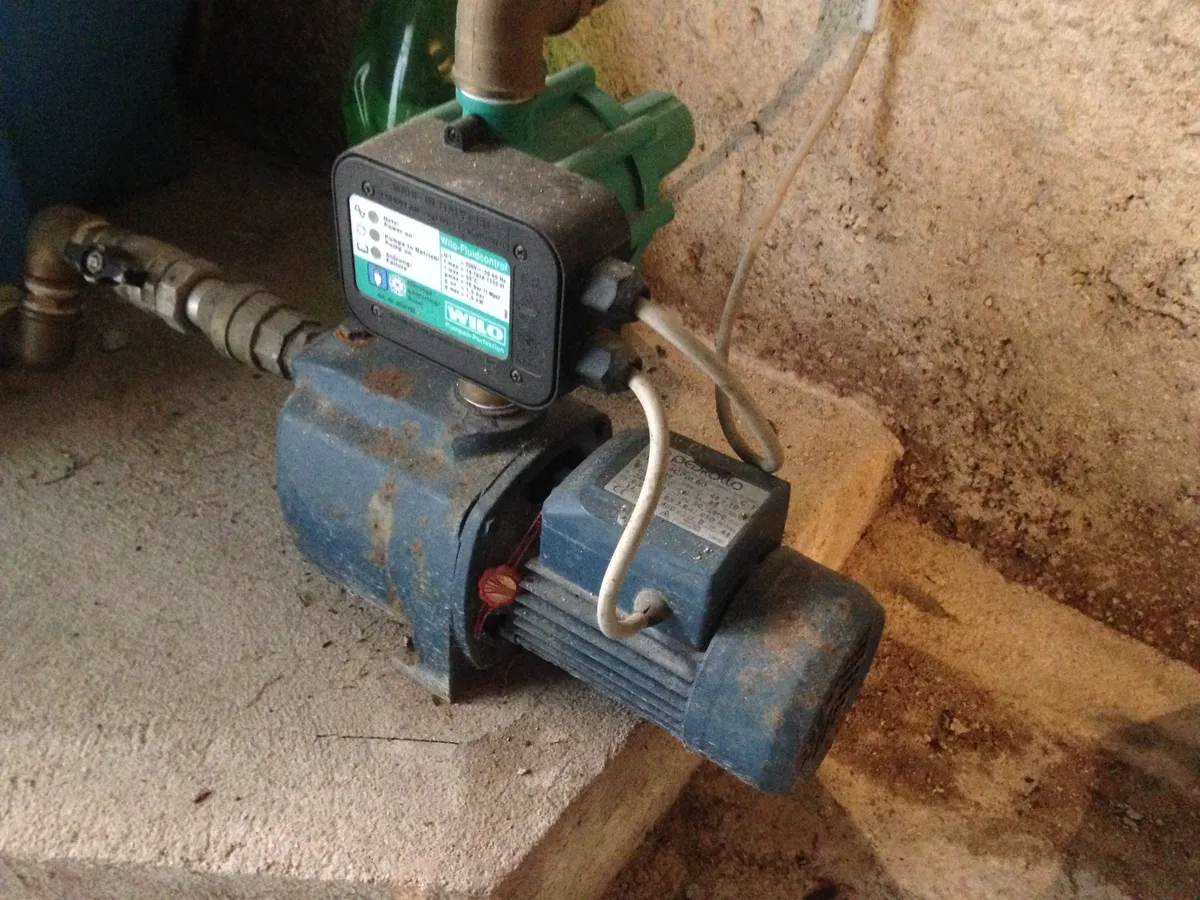
The pump runs but the tank does not fill. Often the float switch in the tank has stuck, or the foot valve in the sump is clogged with the silt that came in. Both are the plumber's at the ₹900 scale if the pump has to come out, far less if it is only the float.
Summer: the tanker season
Water cuts, tanker fills and the hottest months put the system under different stress.
The tank runs dry. A family of four at the Indian planning norm of about 135 litres a person a day needs 500 to 750 litres daily. If the tank is smaller than a day's use and the supply is a few hours, it empties. A second tank, or a bigger one, is ₹1,500 plus ₹4,000–₹15,000 for the tank; the plumber will check the stand and the slab first.
Tanker water brings silt. Every tanker fill leaves a layer in the sump and then in the overhead tank. It blocks aerators, sticks the float and scales the geyser. Clean the aerators monthly in tanker season; plan the tank clean for the end of it.
Pressure falls in the evening. Everyone on the line showers at the same time and the tank runs low. A pressure pump on the outlet at ₹900 fixes the top floor; a bigger tank fixes the evening.
Switch the geyser off. At the wall, for the season. It saves power, stops the element scaling in water nobody uses, and if the house will be empty, close its two angle valves as well.
Watch the taps. Scale builds fastest in summer. A tap that starts to need force is a cartridge on its way out; ₹200 now rather than a sprayed bathroom later.
The geyser season
The first cold week is when geysers are switched on after six months and the connectors, dried out, start to weep.
Before switching on, open the inlet angle valve and let the geyser fill until water runs from the hot tap. Switching on an empty geyser burns the element. Then look at the two connectors for a day; a weep at the inlet or outlet is ₹400 to remake.
If the relief valve streams rather than drips, the inlet pressure is above the geyser's rating; in a high-rise this means a pressure-reducing valve, fitted in the same visit.
If it takes longer than last year to heat, the element is scaled. Descaling is a service job and is worth doing before the hot water becomes a kettle noise.
A new geyser is ₹600 on the water side and the electrician's point on the other, and the right time to buy one is October, not the first cold morning when everyone else is buying.
The twice-yearly tank clean
If a house does only one scheduled plumbing job, it is this one. The sediment in the tank is what blocks aerators, sticks floats, scales geysers and feeds whatever is growing in the water. ₹1,200 for up to a thousand litres, before and after the monsoon. The plumber drains, scrubs, flushes and refills, and checks the float, the overflow and the lid while up there. Ask them to look at the sump too; a sump that is never cleaned refills a clean tank with the same silt.
The annual visit
One planned visit a year, in April before the heat, with a list:
- Tank cleaned, float and overflow checked, lid confirmed.
- Every angle valve turned, and any that will not close replaced at ₹200.
- Every floor trap lifted and cleared, gratings replaced where rusted at ₹350.
- Exposed joints inspected, any weep remade.
- The inspection chamber lifted and checked.
- The overnight test done and the result written down.
- The geyser connectors checked before the cold season.
It is a morning's work, the plumber prices each item and discounts from the fourth, and a house that has it done does not call in the rains. If you are buying or renting, the same list as a written report is ₹700 and is the best money spent before signing.
The festival weeks
Diwali and the wedding season fill houses with guests and the bathrooms with use they do not see the rest of the year. The WC that blocks on the third day of guests is the one that was marginal all year; clearing it is ₹600, and the plumber who comes on the festival day charges the same-day rate. A plunger in each bathroom, and the traps cleared the week before, is the cheaper plan.