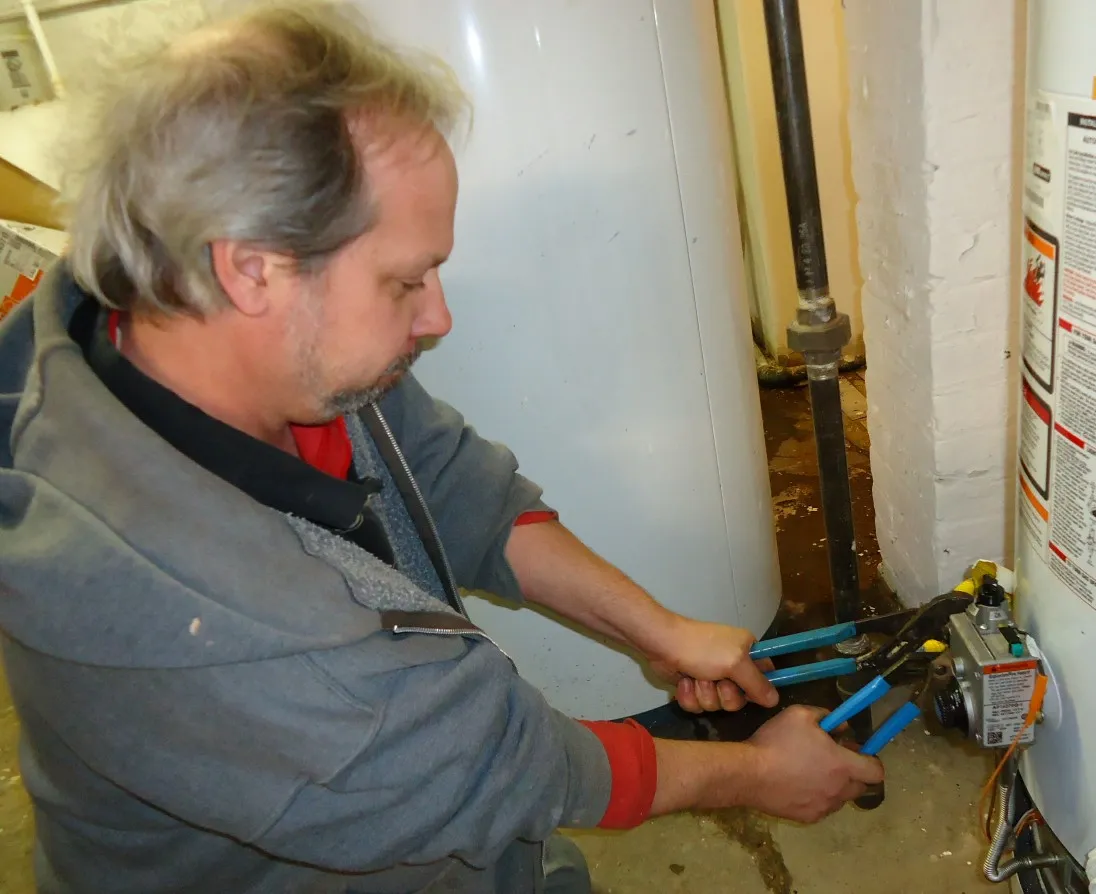
A dripping tap should not cost ₹800 to fix, and a flush that keeps running does not need a new cistern. Here is what each common plumbing job actually involves, what you should expect to pay in a typical Indian city, and what separates a plumber who fixes a leak from one who moves it six inches along the pipe.
The short answer
Most household plumbing jobs cost between ₹200 and ₹1,500 in labour. The visit charge is around ₹250 and almost every plumber waives it once you go ahead with the work. Materials are separate, and you should see the bill.
| Job | Typical labour | Priced per |
|---|---|---|
| Dripping or leaking tap | ₹200 | tap |
| Flush running or not filling | ₹350 | cistern |
| Leaking pipe joint, exposed | ₹450 | job |
| Leak inside the wall | ₹1,500 | job |
| Blocked kitchen sink | ₹400 | job |
| Blocked toilet | ₹600 | job |
| Replace a tap | ₹250 | tap |
| Western WC installation | ₹1,500 | unit |
| Wash basin with fittings | ₹900 | unit |
| Geyser plumbing connection | ₹600 | unit |
| Overhead tank installation | ₹1,500 | tank |
| Water tank cleaning | ₹1,200 | tank |
| New exposed pipeline | ₹120 | metre |
Metro cities such as Mumbai, Delhi and Bengaluru run about 30 percent higher. A same-day call adds roughly 20 percent. Flexible timing takes a little off. These are the figures the TheHire cost estimator uses, so what you read here is what it will quote.
How plumbers actually charge
Four parts make up the number, and most arguments happen because only one of them was discussed on the phone.
- The visit charge. Around ₹250 to come and look. Ask: "Is the visit free if I get the work done?" Nearly everyone says yes.
- Labour, priced per unit. Taps and valves per piece, blockages and leaks per job, pipelines per metre, whole bathrooms per job. If the quote is one lump sum, ask for it broken down this way.
- Materials. Washers, cartridges, angle valves, flexible connectors, PTFE tape, solvent cement, and the fitting itself. A good plumber buys from a sanitaryware shop he trusts and shows you the bill. A tap washer is ₹10 to ₹30; a ceramic cartridge ₹150 to ₹400; a brass angle valve ₹150–₹600; a flush valve set ₹150 to ₹600.
- Where you live and when you need it. Tier 1 cities cost more, and a burst pipe on a Sunday night costs more than a drip on a Tuesday. Both are fair if said upfront.
The eight jobs every home eventually calls for
1. A dripping tap, ₹200 per tap
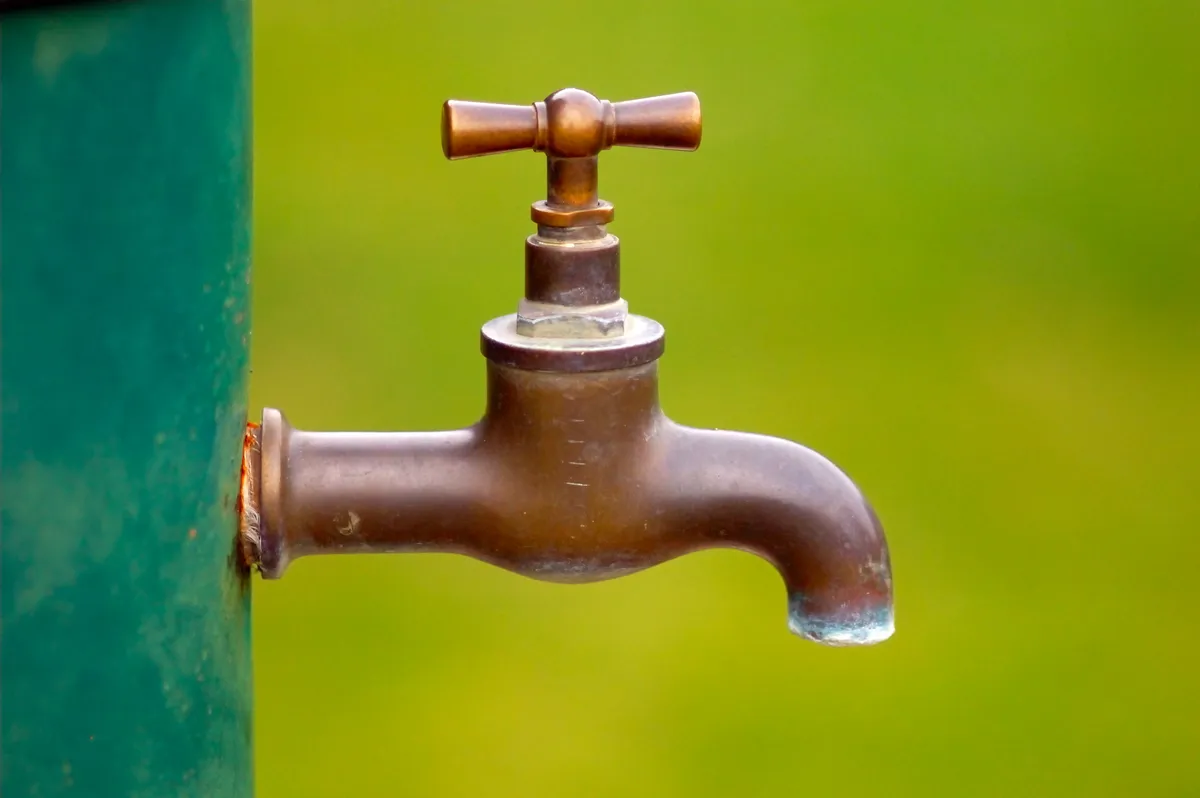
Usually a worn rubber washer in an old screw-down tap, or a scored ceramic disc in a quarter-turn tap. Hard water wears both faster: the scale grinds the seal every time you turn it. Twenty minutes with the angle valve closed. If the tap body itself is pitted or the thread has gone, replacing it at ₹250 plus a ₹300–₹2,500 tap is better than a second repair in three months.
2. The flush keeps running or will not fill, ₹350 per cistern
Inside the cistern are two parts: the inlet valve with its float, and the flush valve with its seal. A cistern that hisses and never stops is the float set too high or the inlet valve worn; one that trickles into the bowl is the flush valve seal. Both are ₹150 to ₹600 in parts. A plumber who proposes a whole new cistern for a running flush is replacing more than is broken.
3. A leaking joint on an exposed pipe, ₹450 per job
A weeping elbow under the sink, a drip at the geyser inlet, a GI joint that has rusted through on the terrace line. The plumber cuts out the joint and remakes it. On CPVC that is a solvent-cement joint and a wait for it to cure; on GI it is a new nipple and PTFE tape. If the pipe is old GI and the joint next to it is also rusting, ask for the metre rate at ₹120 and replace the run rather than chase leaks one at a time.
4. A leak inside the wall, ₹1,500 per job
The expensive one. The signs are a damp patch that grows, paint bubbling, tiles that sound hollow, or a water bill that has gone up with no change in use. The plumber finds the spot, opens the wall, remakes the joint, tests under pressure, and seals it. The price includes opening and closing one spot. A tile that cannot be matched, or a mason to finish the plaster, is extra, and the plumber should say so before the first blow of the hammer.
5. Blockages, ₹400 to ₹1,500
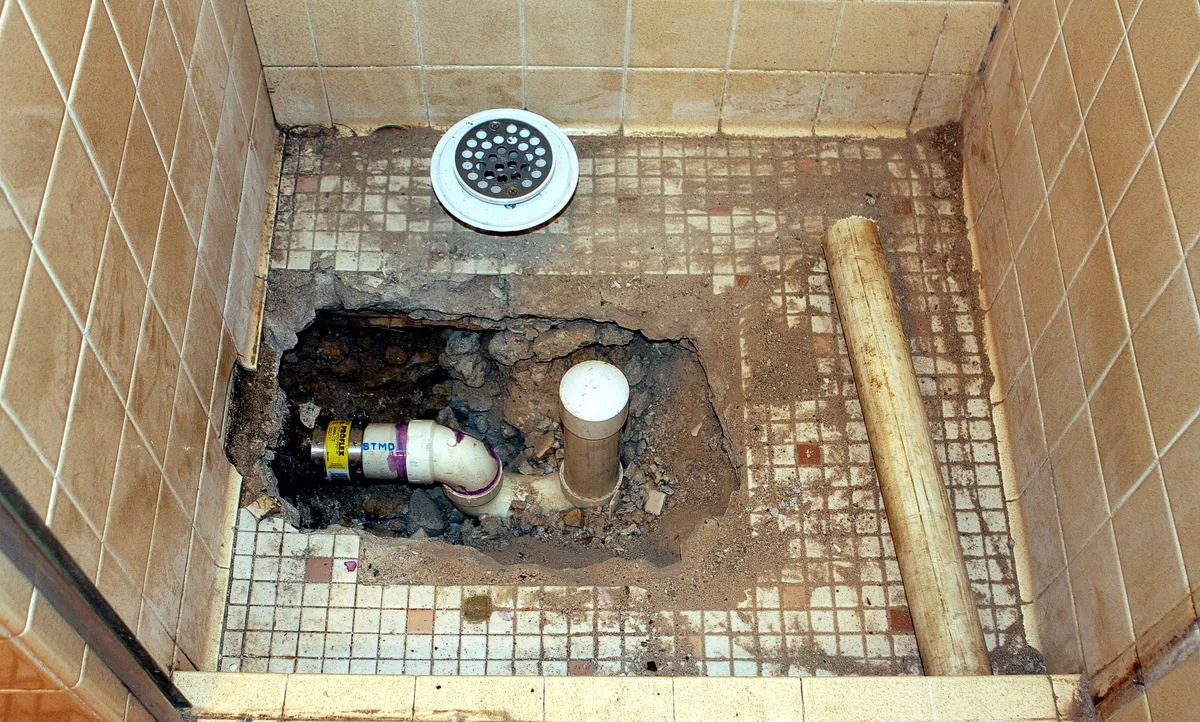
A blocked kitchen sink at ₹400 is grease and food in the bottle trap or the first metre of pipe. A blocked toilet at ₹600 is usually something that should not have been flushed, cleared with a plunger or a hand auger. A blocked floor trap at ₹450 is hair and soap in the nahani trap. A main drain or an inspection chamber at ₹1,500 needs a rodding machine and sometimes a second person. Acid drain cleaners from the hardware shop do not clear a real blockage; they damage the trap and burn the plumber who opens it afterwards.
6. Fitting sanitaryware, ₹900 to ₹1,800
A western WC on an existing outlet is ₹1,500; removing the old one first is ₹1,800. A wash basin with its waste, bottle trap and tap is ₹900. A concealed cistern or a new flush tank is ₹700. A health faucet is ₹250. The thing to check before buying the WC is the trap distance: the gap from the finished wall to the centre of the floor outlet. If the new WC's distance does not match, the plumber will fit an offset connector and the job gets slower and less reliable.
7. The geyser, ₹600 on the water side
Inlet and outlet connections, the two angle valves, the flexible pipes and, in a high-rise, a pressure-release arrangement. The electrical side, the 16A point and the earthing, is the electrician's and is priced separately. A leaking inlet or outlet on an existing geyser is ₹400. A solar water heater pipeline, with the hot line insulated from the roof to the bathroom, is ₹3,500.
8. Tank, motor and pipeline, ₹900 to ₹2,500
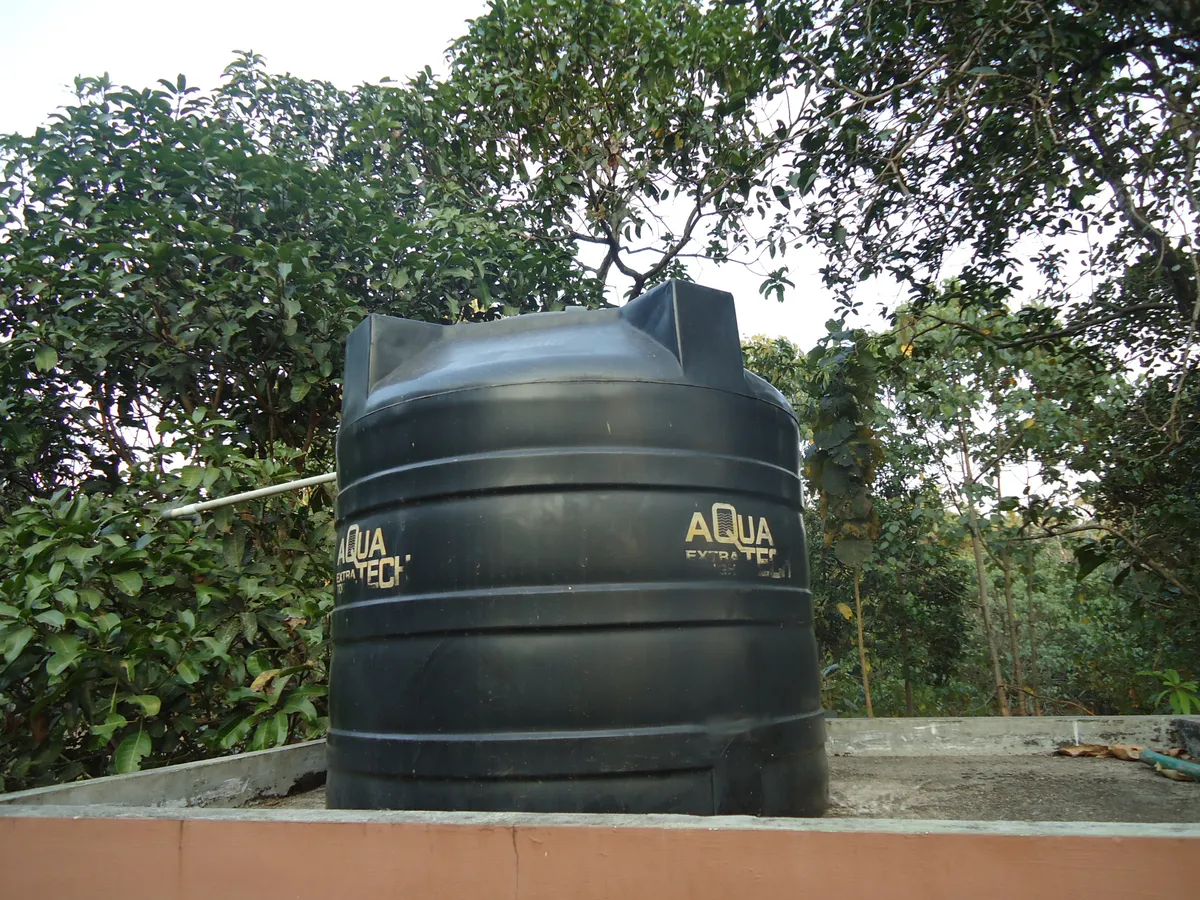
An overhead tank fitted on an existing stand with inlet, outlet, overflow and a float valve is ₹1,500; a stand or lifting the tank to the roof is extra. Cleaning the tank is ₹1,200 for up to a thousand litres and is worth doing twice a year. A motor or a pressure pump is ₹900 on the water side, with the starter and the wiring by the electrician. A new exposed line is ₹120 per metre; concealed with chasing is ₹250 per metre; a borewell to the tank is ₹2,500.
One rule that saves money: group the small jobs. A visit that fixes a tap, a flush and a slow drain costs less than three visits, and plumbers on TheHire discount from the fourth item onwards.
Five signs of a plumber who fixes it properly
- They close the angle valve or the tank outlet before opening anything, and they check the water is actually off.
- They use PTFE tape on threads and solvent cement on CPVC, not M-seal on everything.
- They carry a spare washer, cartridge and angle valve rather than leaving to buy one for a twenty-minute job.
- They test under pressure before closing a wall, and they ask you to watch.
- They tell you the trap distance, the pipe type and the valve size without being asked, and they show you the material bill.
Every plumber on TheHire is ID and phone verified, and reviews after each job are public, which covers the part you cannot check at the door.
What to keep ready before they arrive
- Know where the tank outlet valve and the main inlet valve are. In a flat, the isolation valve is usually in the shaft or near the meter.
- A bucket and an old towel.
- Photos of the leak and of the fitting if you are posting a request; a picture of the tap body tells the plumber which cartridge to bring.
- Your brand preference for the fitting, or a budget.
- For a geyser or a WC, the carton or the manual; the inlet size and the trap distance are printed in it.
When the price is not the price
Old GI pipe. If the house is on galvanised iron from the 1990s, every joint the plumber touches may crumble. A "leaking joint" becomes two or three. Ask whether the line is GI before agreeing a per-job rate, and consider the per-metre replacement instead.
No isolation valve. If the only way to stop water to a bathroom is to drain the whole tank, the job takes longer and the house is dry for the afternoon. Fitting an isolation valve while the plumber is there is a small job that makes every later job cheaper.
The second trade. A concealed leak needs a mason to finish the wall; a geyser needs an electrician; a bathroom renovation needs a tiler. A plumber who says "I'll do all of it" may be excellent at the plumbing and less so at the rest. Agree who does what and what each part costs.