Every plumber on TheHire sees the same ten faults week after week. For each one: what it usually is, what you can safely try first, when to call, and what the call should cost in a typical Indian city.
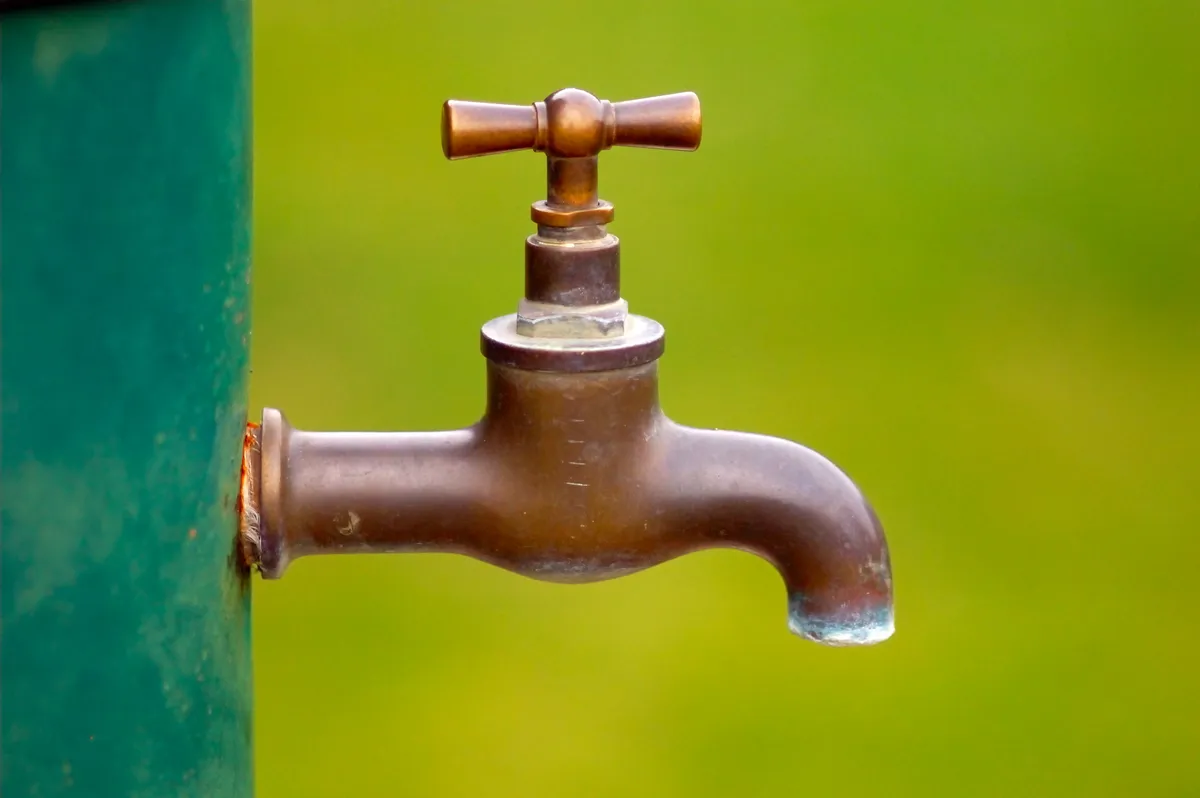
1. A tap drips when it is closed
Usually: a worn rubber washer in a screw-down tap, or a ceramic cartridge that has scored on a grain of scale in a quarter-turn tap. Hard water speeds both up. A tap that needs more and more force to close is the same fault a few months earlier.
Try first: close the angle valve under the fitting and see whether the drip stops. If it does, it is the tap. If you are handy and the tap is a screw-down type, a washer is a ₹20 part and a spanner job. Do not over-tighten the tap to stop the drip; that destroys the seat and turns a washer job into a tap replacement.
Call for: a washer or cartridge swap at ₹200 per tap. If the body is pitted or the thread is gone, replacement at ₹250 plus ₹300–₹2,500 for the tap.
2. The flush keeps running, or will not fill
Usually: the float set too high so water runs over the overflow tube, an inlet valve that no longer shuts, or a flush valve seal that does not seat so water trickles into the bowl. A cistern that fills very slowly is a blocked inlet filter or a half-closed angle valve.
Try first: lift the lid. If water is pouring over the overflow tube, bend or adjust the float down. If the bowl shows a steady trickle, press the flush seal down with a finger; if it stops, the seal is dirty or worn. Check the angle valve is fully open.
Call for: ₹350 per cistern, with a float, inlet valve or flush valve at ₹150 to ₹600. A whole new cistern is not the fix for a running flush; a new flush tank at ₹700 is for a cracked one.
3. The sink, the basin or the floor drains slowly
Usually: grease and food in the kitchen bottle trap; hair and soap in the basin trap or the floor trap. A bathroom that pools during a shower is the floor trap. A kitchen that backs up when the washing machine drains is the line past the trap, not the trap.
Try first: lift the floor-trap grating and pull the hair out. For a basin or sink, unscrew the bottle trap over a bucket and clean it; it is designed to come apart by hand. A plunger clears most of the rest. Not drain acid.
Call for: a blocked kitchen sink is ₹400, a floor trap or bathroom drain ₹450. If more than one fitting backs up at once, the blockage is in the main line and that is the ₹1,500 rodding job.
4. The toilet is blocked
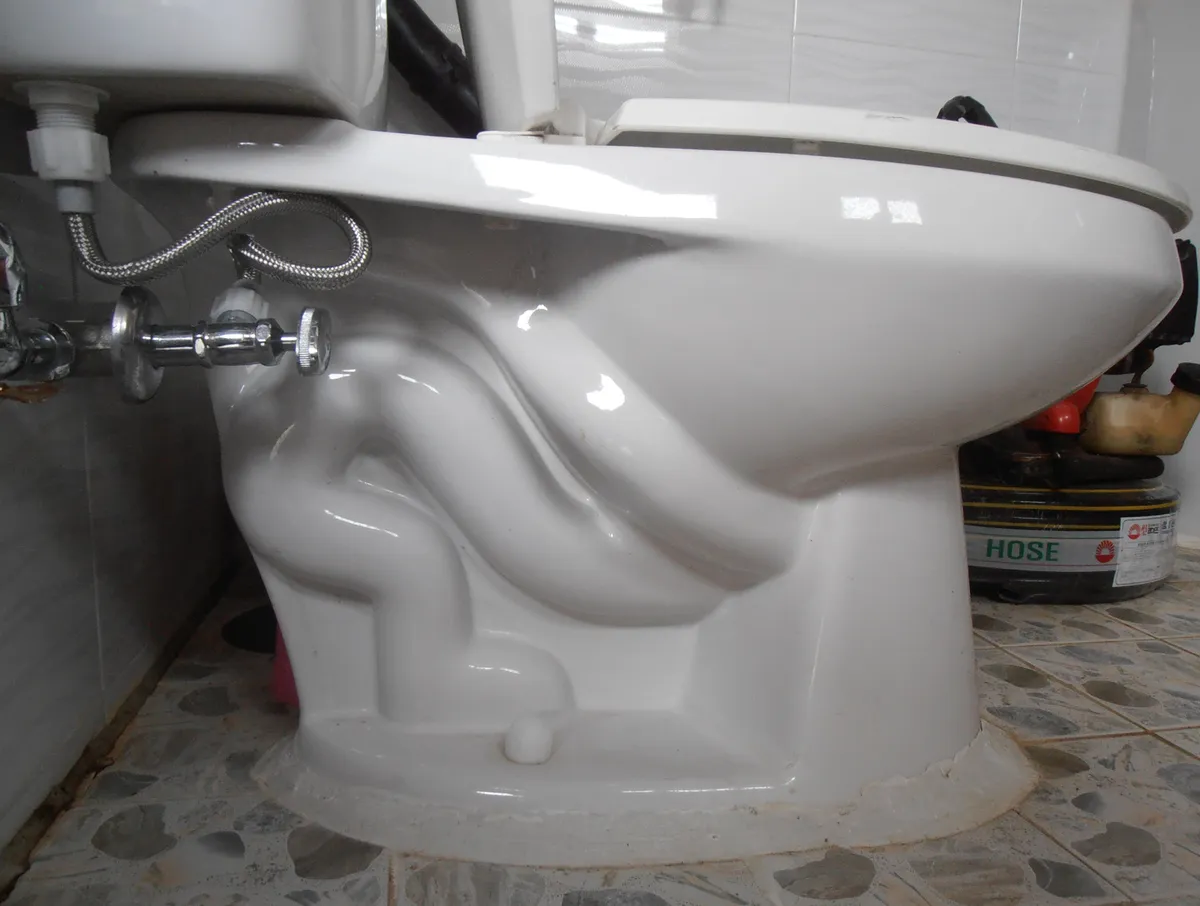
Usually: something flushed that should not have been: wipes, sanitary products, a child's toy, too much paper at once. Sometimes scale narrowing the S-bend in a very old WC.
Try first: a plunger with a proper seal around the outlet, pushed slowly and pulled sharply. Do not keep flushing; a second flush on a blocked bowl is the water on the floor.
Call for: ₹600 with a hand auger. If the blockage is past the WC, in the soil pipe, it is the main-line job. If the WC blocks every few weeks with normal use, its trap distance was wrong at installation and an offset connector is restricting it; replacing it properly is ₹1,800.
5. No pressure, or a sudden drop in pressure
Usually: if it is one tap, a blocked aerator or a half-closed angle valve. If it is the whole house and it has always been weak, the tank is too low for the floor. If it dropped suddenly, the tank is empty, the float has stuck, the pump has not run, or a pipe has burst somewhere and the pressure is going out the hole.
Try first: unscrew the aerator on the tap and rinse the scale out. Check the angle valve. Check the tank is full and the float moves. Check whether the neighbour on the same line has the same problem; if yes, it is the supply.
Call for: a pressure check is ₹400. The permanent fix for a top floor is a pressure pump at ₹900 on the water side. A sudden drop with a full tank is a leak, and the plumber will find it.
6. A damp patch on the wall, or the neighbour's ceiling
Usually: a concealed joint that has let go, a cracked floor trap under the tiles, or grout and waterproofing that have failed in the shower area. The clue is the pattern: a patch that grows after showers is the drain side or the waterproofing; one that is always damp, even when nobody uses the bathroom, is the supply side.
Try first: the overnight test. Close every tap, mark the tank level at night, check it in the morning. A drop with no use is a supply leak. No drop means it is the drain side or the floor.
Call for: a supply leak in the wall is ₹1,500, including opening and sealing one spot. A drain-side leak is a cracked trap at ₹350 if accessible, or the same concealed job if under tiles. Failed waterproofing is the mason's, and the plumber will tell you if that is what it is.
7. The bathroom smells
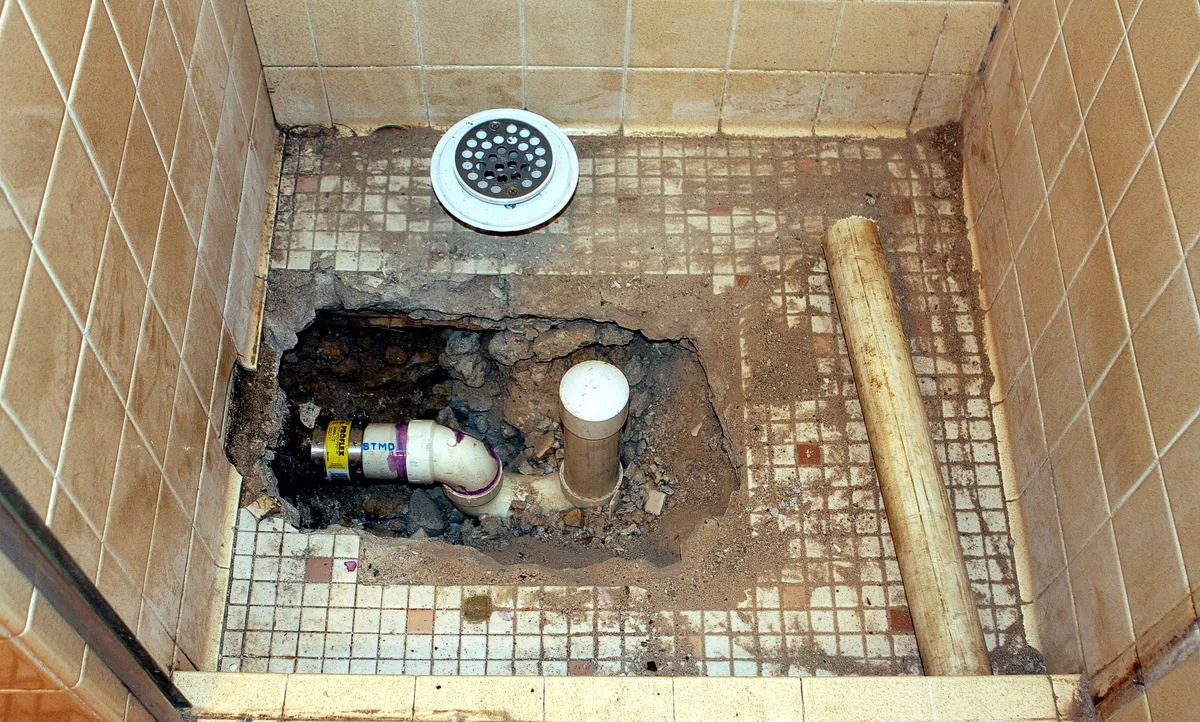
Usually: a floor trap that has dried out, a trap that gurgles and loses its seal because the stack has no vent, or a WC whose base seal has failed so gas comes up around it.
Try first: pour a mug of water into every floor trap and under the basin. If the smell goes in an hour, it was a dry trap. If the basin gurgles when the WC flushes, note it for the plumber.
Call for: a gurgle is a venting fault and is quoted after inspection. A WC that rocks or smells at the base needs re-seating, which is the ₹1,500 job again with a new wax or rubber seal.
8. The geyser leaks or runs cold
Usually: the inlet or outlet connector weeping, the pressure-relief valve dripping steadily because the inlet pressure is too high, or a non-return valve that has failed so the hot line runs cold then hot. A tank that leaks from the body is a geyser at the end of its life, not a plumbing job.
Try first: tighten the connector nuts by hand. A few drops from the relief outlet while heating is normal. Switch the geyser off at the wall before touching anything on it.
Call for: an inlet or outlet leak is ₹400. A pressure-reducing valve on a high-rise line is fitted in the same visit. If the element or the thermostat is the fault, that is the electrician's call.
9. Water hammer, or pipes that bang
Usually: a tap or a washing-machine valve closing fast on a long run of pipe, so the water column stops dead and the pipe jumps. Loose pipe clamps make it louder. It is harmless for a while and then it loosens a joint.
Try first: close taps gently. Check whether it happens with one tap only; if it is the washing machine inlet, that valve snaps shut and is the usual cause.
Call for: a plumber can fit an air chamber or an arrestor near the fitting and re-clamp the pipe, on the ₹450 scale.
10. The tank overflows, or runs dry
Usually: a stuck float valve, either open so the tank overflows every night, or shut so the tank runs dry. A pump that does not stop is the float switch in the tank or the starter. A tank that empties by morning with no use is a leak.
Try first: go up and move the float by hand. If it is stiff, it has scaled. Check the overflow pipe is not blocked, because a blocked overflow on a stuck float puts water into the slab.
Call for: a float valve is ₹200 to ₹600 fitted during a tank clean at ₹1,200. A pump that will not stop or start is shared between the plumber and the electrician; the plumber covers the water side at ₹900 if the pump itself is replaced.
Two rules that apply to all ten
Close the valve, then think. The angle valve under the fitting, the bathroom isolation valve, or the tank outlet. Water that is stopped is a problem for tomorrow; water that is running is a problem for the neighbour below.
One visit, several jobs. If three of these are waiting, post one request with all three. The plumber prices each on its own rate, discounts from the fourth item, and you pay one ₹250 visit charge instead of three.