Short, practical, and learned the hard way. Each one is something a mason on TheHire has told a customer more than once. Most of them cost nothing; the rest cost less than the problem.
Water
- Pour a bucket on every bathroom floor once a year. It should reach the drain in seconds. A corner that holds water is a floor that is sending water through to the bed, and the room below. Rebuilding the slope is part of the ₹15,000 re-tile.
- Clear the terrace drains before the first rain, not after. A blocked drain turns a terrace into a pond for a week. The waterproofing at ₹60 per sq ft was designed for water passing over it, not sitting on it.
- Seal around every pipe where it goes through a wall. Outlet pipes, AC drain lines, the washing machine outlet. A tube of silicone and ten minutes. Rain runs down the pipe and in through the gap.
- A damp patch is a message from somewhere else. Go up and across before you go to the hardware shop. Treating the patch at ₹45 per sq ft while the source still leaks is money thrown at a symptom.
- Never let anyone paint over a wet wall. Waterproof paint on damp plaster lifts in one season. Dry first, then treat, then paint.
Materials
- Check the date on the cement bag. Over three months old and it has lost strength; lumps you cannot crumble mean it has gone. The shop near a construction site has fresher stock than the general hardware shop.
- PPC for plaster, OPC 53 for structure. The 53 on the bag is not "better"; it is hotter and shrinks more, which is why plaster made with it cracks. Let the engineer specify 53 for concrete and the mason use PPC for the rest.
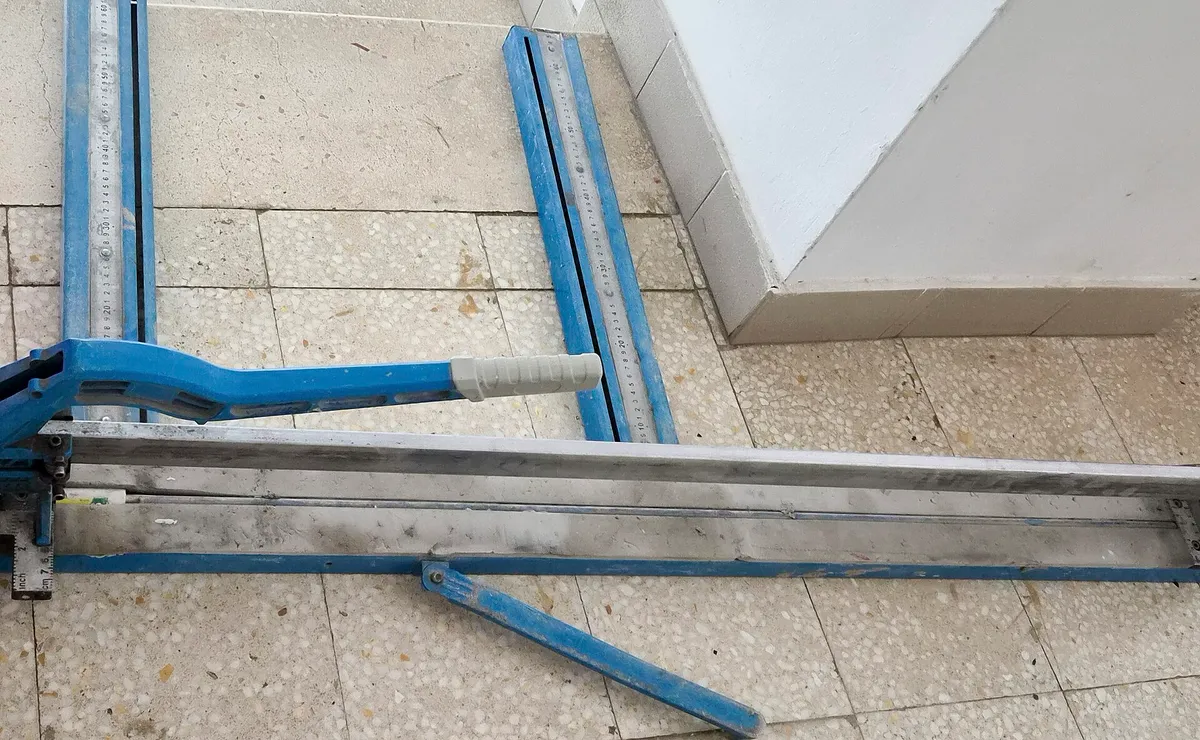
- Open three tile boxes at the shop and lay them side by side. Same batch number, same shade code, same size. One box from a different batch is a visible patch in the middle of the floor.
- Buy ten percent extra tile and keep a box. The batch will not exist in two years, and one cracked tile with no spare means a floor that never matches.
- Soak clay bricks before laying. A dry brick drinks the water out of the mortar before it can set. The mason should be doing this without being asked; if the bricks are going on dry, say something.
Money
- Pay per square foot for anything you can measure. Tiling at ₹45, plaster at ₹28, a wall at ₹90. The day rate of ₹1,000 is for the jobs nobody can measure in advance, and a measurable job on a day rate takes longer.
- Group the small repairs into one visit. A crack, a hollow tile, a loose step and some grout in one day at ₹1,000 with a helper at ₹600 costs less than four visits at ₹300 each, and masons on TheHire discount from the fourth item.
- Epoxy grout in the shower area only. It is the expensive grout, and the labour at ₹18 per sq ft reflects it. Behind the shower and around the hob it pays for itself; in a bedroom, cement grout and a sealer.
- Do not pay to remove a floor that is sound. If the coin test on the old floor is solid everywhere and the room is dry, tile-on-tile with the right adhesive saves the ₹15 per sq ft removal and the debris.
- Get the plumber to pressure-test before the mason closes the wall. Opening a tiled wall for a leaking joint is the most expensive rework in the house, and it is the one that a two-hour test prevents.
Daily life
- Tap your floors with a coin once a year. Mark the hollow ones with a sticker. A hollow tile is a cracked tile waiting for a dropped pressure cooker; lifting and re-laying a few is a half-day.
- Mark the ends of every crack with a pencil and a date. In three months, look. A crack that has not grown is cosmetic and ₹1,200 to fill. A crack that has grown, or runs diagonally from a window corner, is for an engineer before a mason.
- Keep heavy pots off the balcony edge. Balconies are cantilevers and were designed for people, not for forty kilos of wet soil along the outer edge. If the underside is showing rust stains, the ₹6,000 patch is a before-monsoon job.
- Do not let anyone chase a beam or a column. Not for a conduit, not for a pipe, not for a TV cable. Walls can be chased, within limits; the concrete frame cannot. An electrician or plumber who asks the mason to do it should hear no.
- Photograph the inside of every wall before it closes. Where the pipes run, where the conduits go, where the waterproofing stopped. The next person to drill into that wall, including you, will thank you.
Four more for people who own the house
- Have the terrace looked at every February. A ₹300 visit to check the drains, the slope, the parapet joint and the screed. Terrace waterproofing is a once-in-fifteen-years job if the small things are kept up, and a once-in-five if they are not.
- Build partitions in AAC, not brick, on a slab. A third of the weight at the same labour rate of ₹65 per sq ft, and it is what the engineer will approve. Make sure the mason has laid it before.
- Give new plaster its seven days. Sprinkle it twice a day, three times in summer. The painter waits. Plaster that was not cured is the map of fine cracks you will be looking at for the next decade.
- Keep the material bills and the engineer's letter together. When you sell, or when the society asks, or when the neighbour below claims a leak, the paper is what settles it.
Related tips you might want next
What goes on top of the plaster, including why paint bubbles and how putty and primer work, is the painter's trade, and the painter's tips pick up where these stop. Whether a wall can come out, a slab can take a garden, or a crack is a problem is the architect's and the engineer's, and their guides cover it.