There are five things in the masonry of a home that are not matters of taste. Skip any of them and the result is damp, cracks, a dispute with the neighbour below, or worse. Here is each one, why it matters, how to check whether you have it, and what it costs to put right.
1. Waterproofing under every wet floor
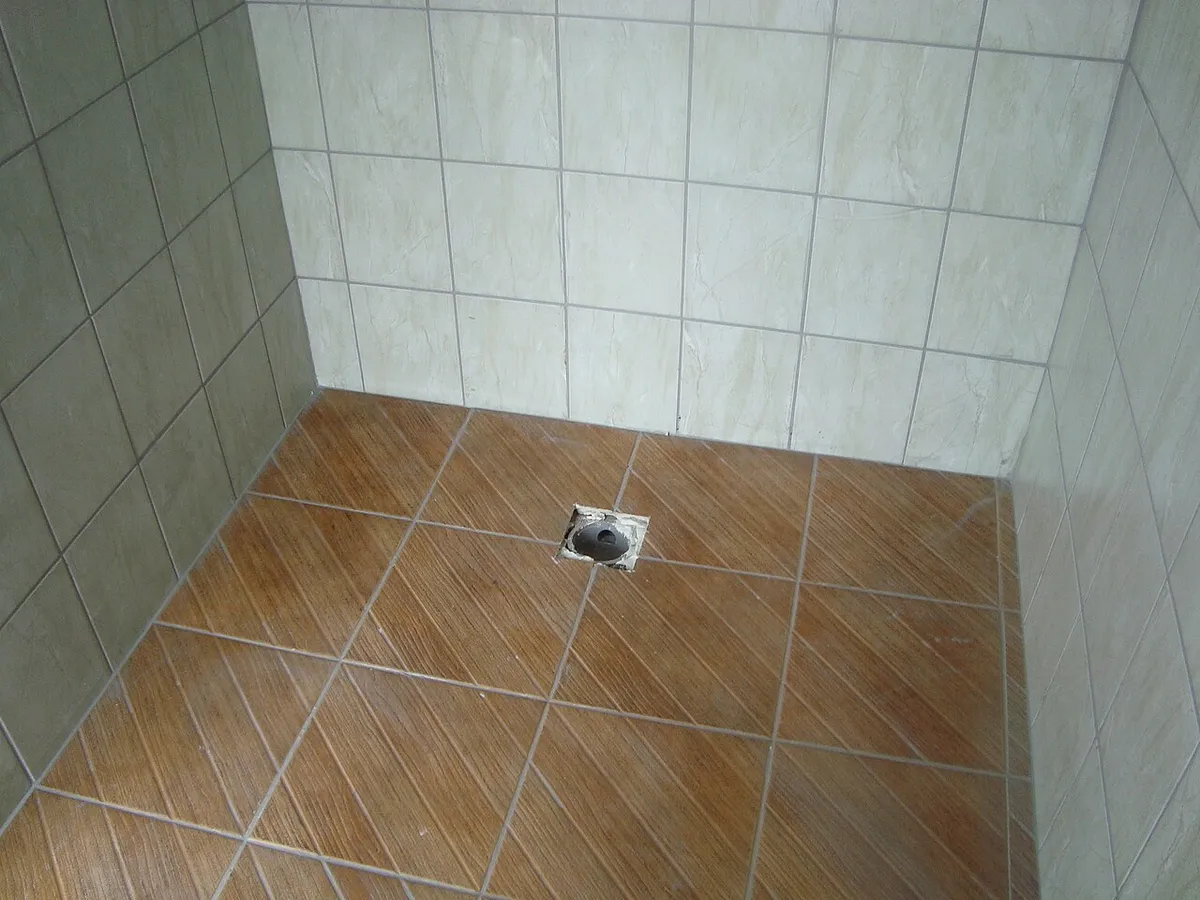
Bathroom tiles are not waterproof. The grout between them lets water through, the floor trap is a hole in the floor, and the bed under the tiles is a sponge. In a flat, that water ends up on the ceiling of the bathroom below, and in a house it ends up in the wall of the next room.
The fix is a waterproof layer between the slab and the tiles: two coats of a cementitious or acrylic coating over the whole floor and 30 cm up the walls, with the corners and the pipe penetrations given extra attention, then a 48-hour water test with the drain plugged before the first tile is laid. It cannot be added later without removing the tiles, which is why it is the thing to check before any bathroom work and the thing to insist on in any renovation.
How to check: look at the ceiling of the room below, or ask the neighbour below whether their bathroom ceiling has ever stained. A damp patch in the shape of the bathroom above is the answer.
What it costs: ₹6,000 per bathroom as part of a re-tile, which itself is ₹15,000. A builder who left it out saved a few thousand rupees on a flat that cost tens of lakhs.
2. A terrace that drains, and is sealed
A flat roof holds water unless it is built not to. Every terrace needs a slope of about 1 in 100 towards its drains, drains that are not blocked by leaves and plastic, and a waterproof layer that covers the whole slab and turns up the parapet walls. Water standing on a terrace for a week after rain finds the hairline cracks in the slab and arrives on the top-floor ceiling.
There are two ways to waterproof a terrace. Brickbat coba is the traditional one: broken brick laid in lime or cement mortar to form the slope, topped with a screed. It is heavy and it works for decades when it is done well. The chemical route is an acrylic or polyurethane membrane painted onto a prepared, sloped slab in two or three coats; lighter, faster, and dependent entirely on the slab being clean and the coats being complete. Both need the parapet junction done properly, which is where most terraces fail.
How to check: go up after rain. Puddles that are still there the next morning mean no slope. Rust stains on the underside of the slab, or a top-floor ceiling with a damp patch, mean the seal has gone.
What it costs: ₹60 per sq ft of labour with the compound on top, and the job cannot be done in the monsoon.
3. Plaster that was cured, and is sound
Plaster is the weather layer of a wall and the surface everything else sits on. It needs to be the right mix, 1:4 cement to sand for exterior and wet areas, laid on a wetted wall, and cured by sprinkling for seven days. Plaster that was not cured is weak and crazed with cracks; plaster laid on a dusty or dry wall is hollow and lets go in sheets.
How to check: tap the wall with a knuckle or a coin across a large area. A sound wall gives a dull, even note. A hollow patch rings, and a hollow patch near a window or on an exterior wall is where water will get in next monsoon. Rub the surface with a finger: if it powders, it was not cured.
What it costs: new plaster is ₹28 per sq ft, a crack repair and patch plaster ₹1,200 per job. Removing hollow plaster and redoing it is the same as new plaster for that area, and it should be done before the painter arrives, not after.
4. Tiles that are fully bedded and properly grouted
A floor tile is a hard plate on a soft bed. If the bed is not in full contact with the tile, the tile is a bridge, and the first heavy pot or dropped pan cracks it. A cracked tile in a bathroom is also a hole in the floor that lets water into the bed.
Joints matter as much as the bed. Grout that has gone black and crumbly, or joints that were left half-filled, let water straight through. Epoxy grout in bathrooms and kitchens is waterproof and does not stain; cement grout is fine in a bedroom.
How to check: tap every tile with a coin. Hollow ones ring. Look at the grout lines in the shower area; if they are dark, soft or missing, water is going through.
What it costs: re-grouting with epoxy is ₹18 per sq ft. Lifting and re-laying a few hollow tiles is a half-day at ₹1,000 with the tiles you kept as spares, which is the reason to keep a box after every tiling job.
5. An engineer, not a mason, for anything structural
Masons build and repair walls, floors and finishes. They do not decide whether a slab can carry a new wall, whether a beam can be chased, whether a column can be notched for a pipe, or whether a crack is harmless. Those are questions for a structural engineer, and they are the questions where getting it wrong is not a repair but a collapse.
The specific things that need an engineer's word in writing: adding a wall on an existing slab, especially a 9-inch wall; removing or shortening any wall in a load-bearing house; cutting into a beam, column, lintel or slab for any reason; a crack that is diagonal, widening, or on both faces of a wall; and a balcony or chajja where the steel is showing and the concrete is falling.
How to check: ask the mason, before the work starts, "Does this need an engineer?" A good mason answers honestly because the liability is theirs too.
What it costs: an engineer's visit and letter is a few thousand rupees. A 4.5-inch partition at ₹65 per sq ft or an AAC block wall is usually what the engineer will approve on a slab; a 9-inch wall at ₹90 per sq ft is usually what they will not.
Doing all five at once
If you are renovating, this is the order that makes the five cheap: engineer's word first for anything structural, demolition at ₹25 per sq ft, plumbing and electrical in the walls, waterproofing with its water test, plaster and its seven days, then tiles, then grout, then the painter. Every step that is done out of order is done twice.
If you are not renovating and only want to know where you stand, a mason's visit at ₹300 with a coin, a torch and a look at the terrace and the ceiling below each bathroom tells you which of the five you have.
Related guides
The painter's guides cover what goes on top of the plaster, including why paint fails on a damp wall. The architect's guides cover who should be designing a renovation that touches structure.