A mason is the one trade where the mistakes are hidden under tiles and plaster and show up a monsoon later. Hiring well is mostly asking the right five questions before the work, and watching for three things on the first day.
On the phone: five questions that sort the professionals
- "What is the rate per square foot, and does it include the helper and curing?" A professional gives a per sq ft figure for tiling, plaster or waterproofing, around ₹45 for floor tiling or ₹28 for plaster, and says yes to both. A vague daily figure for a measurable job means they have not thought about it.
- "Who buys the material, and will you give me quantities?" The right answer is that you buy, and they tell you how many bags, how many units of sand, how many boxes. A mason who insists on buying everything themselves with no bills is making a margin on the cement.
- "How will you waterproof it?" For any bathroom or terrace job. The answer should name the method and include a water test. "Hum waterproof cement daal denge," meaning an integral compound in the mortar, is not waterproofing.
- "Have you done this on a tile-on-tile floor" or "with 2 by 4 tiles" or "with AAC blocks"? Whatever your job's particular feature is. Large tiles, lightweight blocks and adhesive methods each have their own technique, and a mason who has not done them learns on your floor.
- "What do you do if you find a problem once it's open?" The professional says they stop, show you, and price the extra separately. The other kind says it will be fine.
On site: what to look for on day one
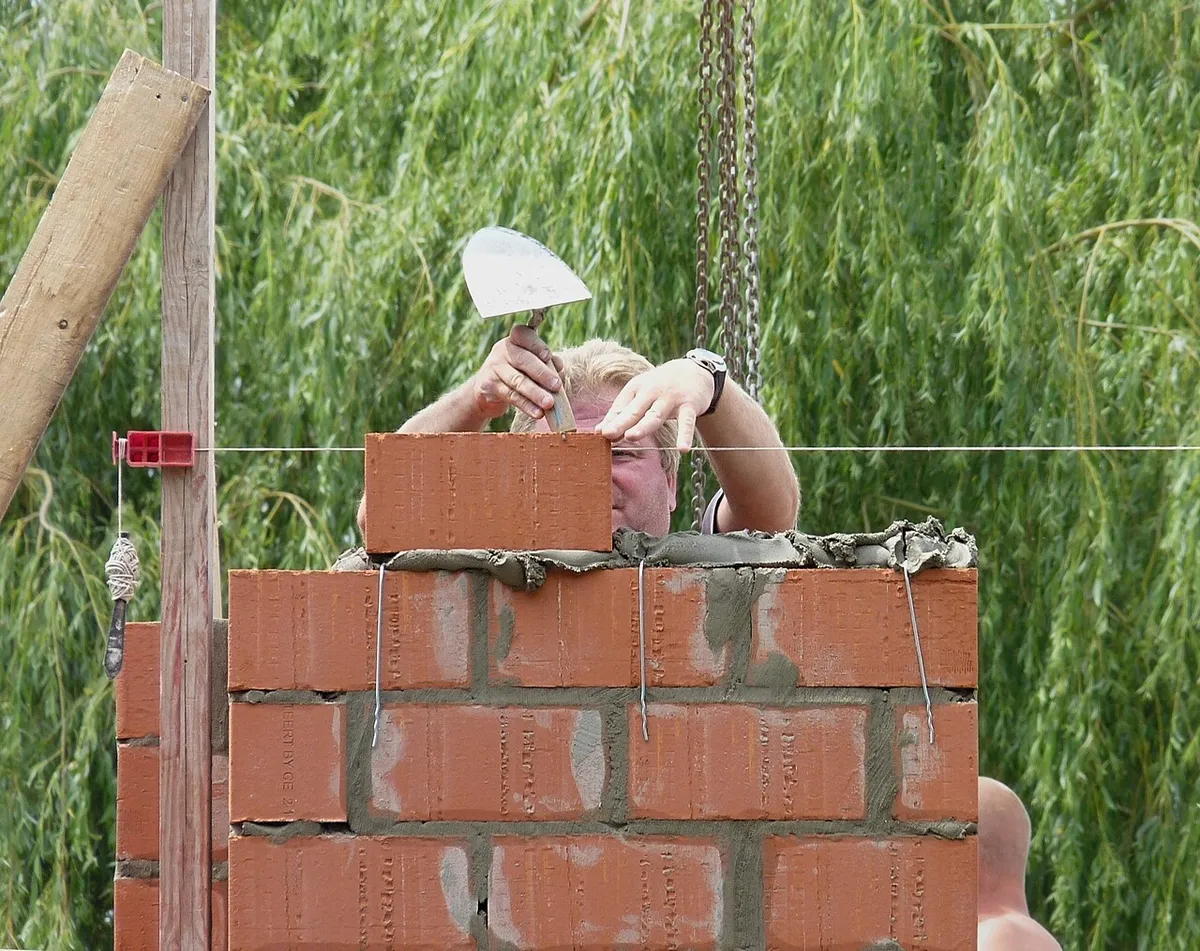
- A tape, a spirit level and a string line come out before anything else. Masonry is measured and levelled. A mason who starts laying without a line is laying by eye.
- The bricks are being soaked, or the wall being wetted, before mortar touches it. Dry bricks suck the mortar dry.
- Spacers appear with the tiles. Not the corners of broken tiles, not matchsticks. Plastic spacers of the agreed width.
- The mortar is mixed in a measured ratio, by the pan or the bag, not by scooping until it looks right.
- Debris is being bagged as it is made, not piled in the lift lobby.
Red flags
- An all-in lump sum with no square footage, no material list and no trade-by-trade split.
- A large advance before anyone has arrived.
- "No need for waterproofing, the tiles are waterproof."
- "No need for an engineer, I have done this many times" about a wall on a slab, a beam or a lintel.
- No curing after plaster. If the mason packs up the day after plastering and does not come back to sprinkle, the plaster will crack and they know it.
- Grouting on the same day as laying. The bed has not set and the grout will crack.
- A different person turns up than the one you spoke to, with no explanation.
What a fair quote looks like
A fair masonry quote is a list of lines, each with a unit, a quantity, a rate and a total, and a separate list of materials with quantities you can take to the shop. Something like this for a bathroom:
- Remove old tiles, 220 sq ft at ₹15 per sq ft.
- Waterproofing, floor and 30 cm up, with 48-hour water test, ₹6,000.
- Re-tiling floor and walls, ₹15,000, including slope to drain, spacers and epoxy grout in the shower area.
- Debris removal, number of bags, and the tempo charge.
- Materials: adhesive 6 bags, epoxy grout 2 kg, waterproofing compound 10 kg, tiles 240 sq ft (you buy).
- Days: 7, with the water test on days 2 and 3 and no tiling until it passes.
For a whole renovation, the same thing per trade: demolition at ₹25 per sq ft, plumber, electrician, mason, with the lump sum of ₹35,000 shown as the total of its parts.
Compare quotes on the per sq ft rate and the method, not on the total. A quote that is 30 percent lower has usually left out the waterproofing, the removal or the helper, and you will pay for them when they turn out to be needed.
What to agree before work starts
- Working hours and the society's rules on noise and lifts.
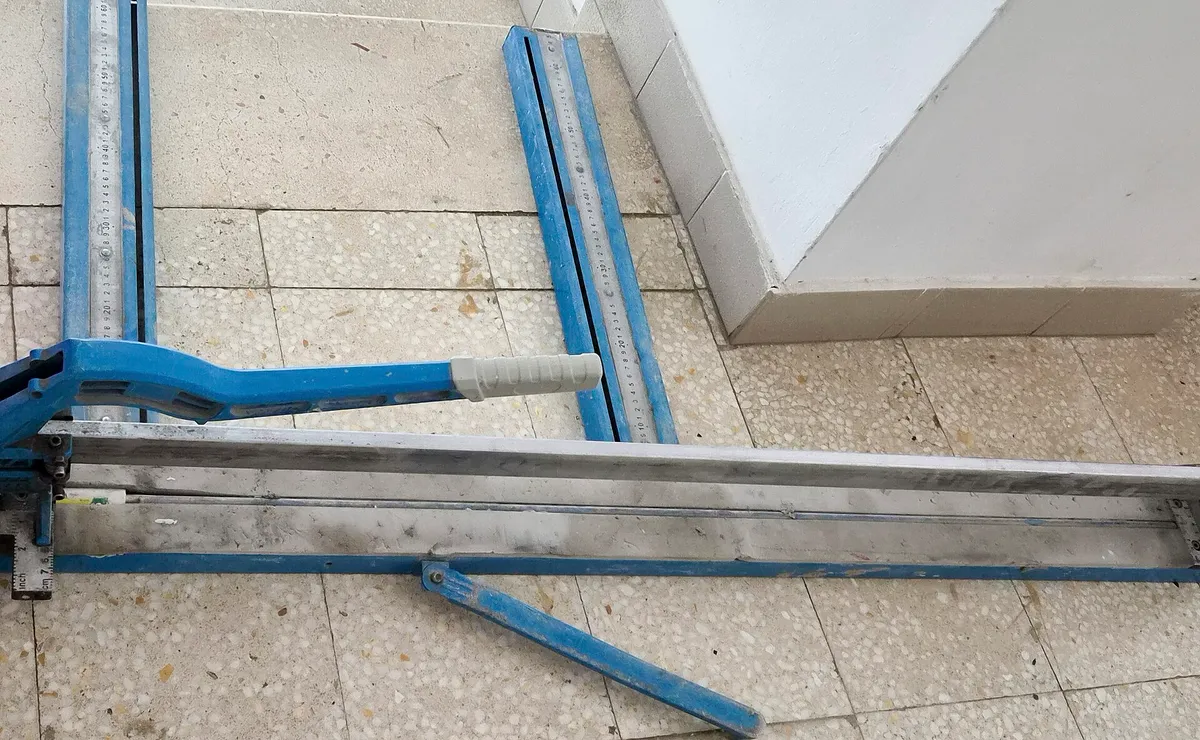
- Water and power for mixing and cutting; the tile cutter needs a socket.
- Where the material is stored and where mortar is mixed. Cement on a damp floor is wasted cement.
- Curing days written into the schedule: seven for plaster, two for a tile bed before grouting, two for the water test.
- Payment stages: nothing in advance, a third after demolition and waterproofing test, a third after tiling, the balance after grouting and clean-up.
- The spare tiles stay with you, one box minimum.
- Who removes the debris and what the dump charge is.
After the work
Walk the job with a coin before the final payment. Tap every tile. Look at the grout lines for gaps. Pour a bucket on the bathroom floor and watch it go to the drain without pooling. Look at the plaster in raking light from a torch held against the wall; waves show. Ask for the material bills and keep them with the spare tiles. A small snag list is normal and a professional fixes it on the spot; a long one means the first-day signs were missed.
Every mason on TheHire is ID and phone verified and reviewed in public after each job, and the cost estimator gives you the per sq ft rates for your city before the first call, so you know what a fair quote is before you hear one.
When you need more than a mason
A structural engineer for anything touching a slab, beam, column, lintel or load-bearing wall. An architect when the job is a layout change rather than a repair. A plumber before the mason on any wet-area job, so the pipes are tested before the walls close. And a painter after, with the seven days of curing between.