Pests in India follow the calendar. The first rain brings the termite swarm and pushes the drain's cockroaches up into the bathroom; the dengue months follow the rain; summer heat drives rats indoors looking for water. A short checklist in each season, and one annual visit, prevents most of the calls the rest of this library describes.
April and May: the one afternoon before the rains
Do this before the first downpour, not after the first mud tube.
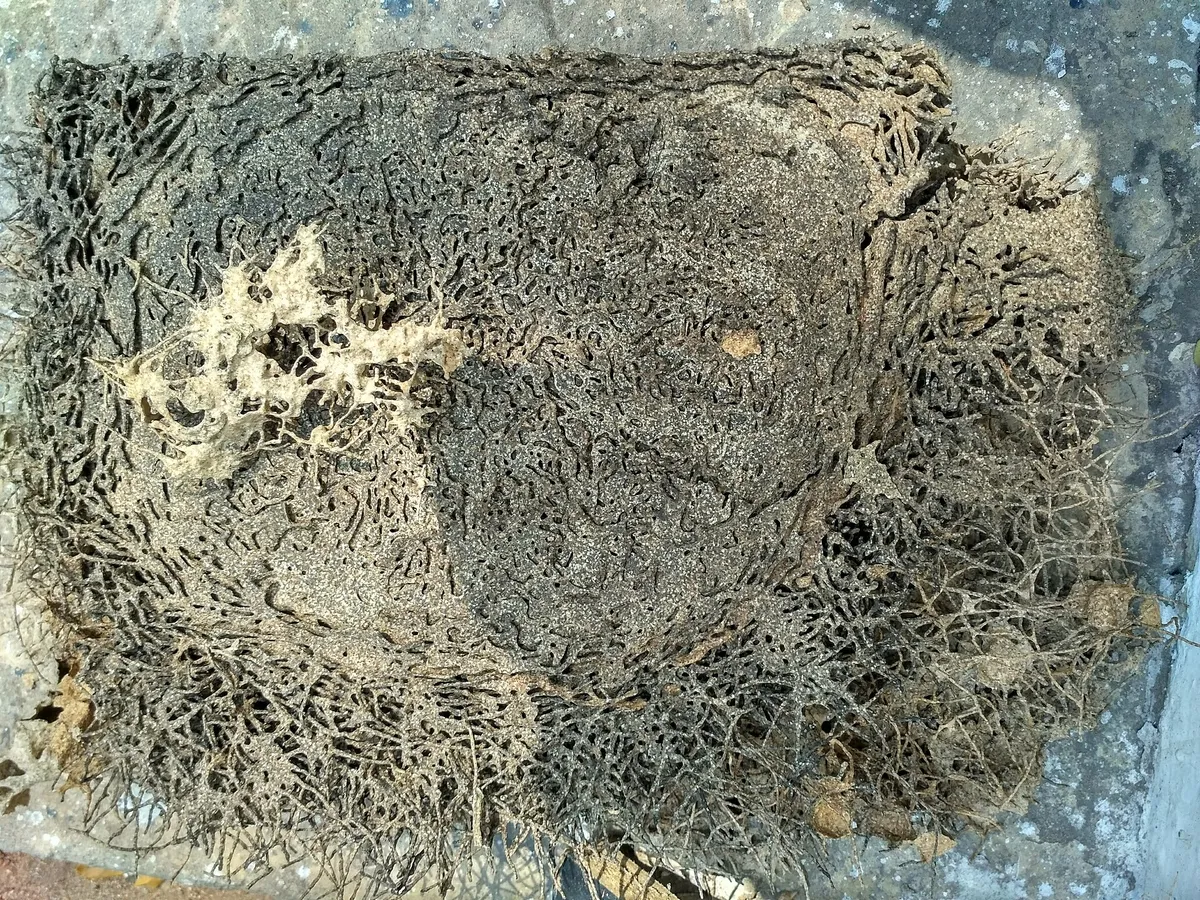
The termite walk. Tap every door frame at floor level and the skirting along external walls with a screwdriver handle; dull means eaten. Pull the wardrobes a few inches off the wall and look behind for mud lines. Check the undersides of wooden shelves and the back of the kitchen platform. If you find tubes, this is the month for the ₹7 per sq ft treatment; the soil is dry, the chemical goes in well, and the warranty year covers the swarming season to come.
The drains. Mesh under every floor trap, the kitchen and bathroom drain covers closed, the external drain grating in place. When the water table rises, the big cockroaches and the rats come up the only open route. A residual spray along the drain edges now, either your own or as part of a ₹2 per sq ft general treatment, is the one that lasts through June.
The gaps. Steel wool around pipe entries, a sweep under the kitchen door, the gap under the platform closed. This is also the month for the ₹1,500 rodent job if you heard scratching over winter.
The terrace and balcony. Clear the gutter, turn over anything that will hold water, mesh the tank overflow, and throw away the broken pots. Everything you leave is a dengue nursery by July.
The week after the first rain
Swarmers. Winged termites and winged ants come out after the first heavy rain, usually at dusk around lights. Discarded wings on a windowsill the next morning mean a colony nearby looking for a home. Switch off outdoor lights at dusk for a few evenings, close the windows, and if wings are inside the house, call for an inspection; it is free.
Drain cockroaches. If they appear in numbers in the first week of rain, the drain seals are not holding. Fix the seal first; a treatment on top of an open drain is a treatment you will repeat.
Mosquitoes. The first larvae appear within a week of standing water. This is when a society should do its first larvicide round at ₹600 per visit; every drain, sump, lift pit and stairwell gutter.
July to October: the dengue months
Aedes aegypti, the dengue and chikungunya mosquito, breeds in clean water in small containers and bites by day. It peaks in the months after the rains, which is when hospital dengue counts rise every year.
- The weekly dry day. Coolers emptied and scrubbed, pot saucers tipped, AC trays checked, the bird bath changed, the bucket on the terrace turned over. The egg-to-adult cycle is about a week, which is why the check is weekly and not monthly.
- Mesh and nets. Mesh on the windows, a net on the child's cot, long sleeves at dusk in the garden.
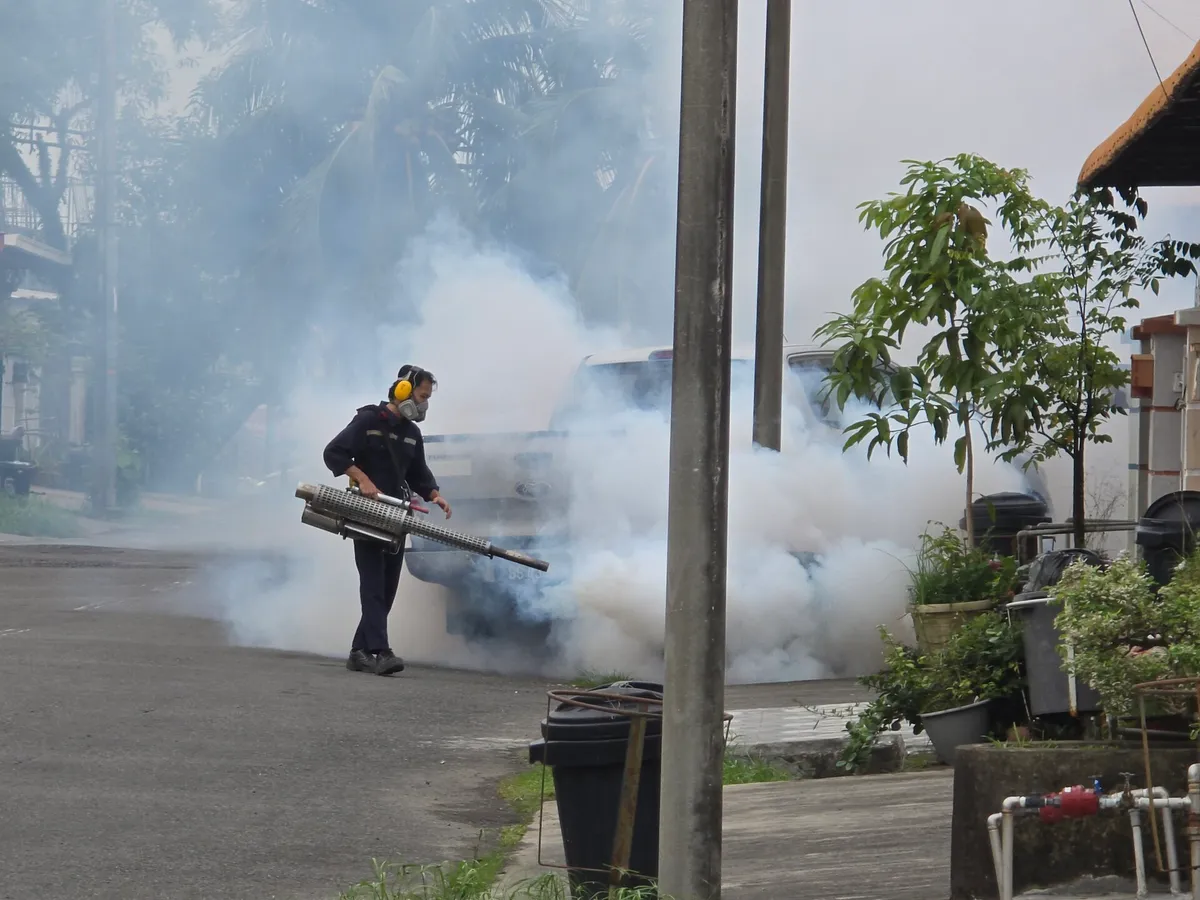
- Larvicide, not fogging, as the routine. Monthly larvicide in the drains at ₹600 per visit for the society. Fogging at ₹900 per visit when there is a case in the building or before a function, because it kills the adults flying that afternoon and nothing more.
- Flies. The wet waste bin emptied daily and the lid kept on; a kitchen with a real problem is the ₹800 per visit treatment, and a food business needs it on a schedule for its licence.
Festival season: the house opens up
Diwali cleaning is the best pest inspection of the year, because every cupboard is emptied and every corner is reached. Use it. Look behind the wardrobes for tubes, under the kitchen platform for droppings, and inside the switchboards for cockroach egg cases, which look like small brown purses. Clean first, then treat: the ₹2 per sq ft general treatment the week after the deep clean lands on clean surfaces and lasts longer.
Guests, sweets and open doors mean flies and ants. Keep the sweets covered and the bin closed; put a dot of gel on any ant trail that appears.
Winter: bed bugs and rats
Bed bugs travel in winter. Hotel stays, train journeys and visiting relatives bring them, and the heavier bedding gives them more seams to hide in. Check mattress piping and the bed frame joints with a torch once a month, and check luggage after every trip before it comes into the bedroom. A sighting is a ₹1,500 per room treatment in two visits; waiting until spring makes it a ₹4 per sq ft whole-home job.
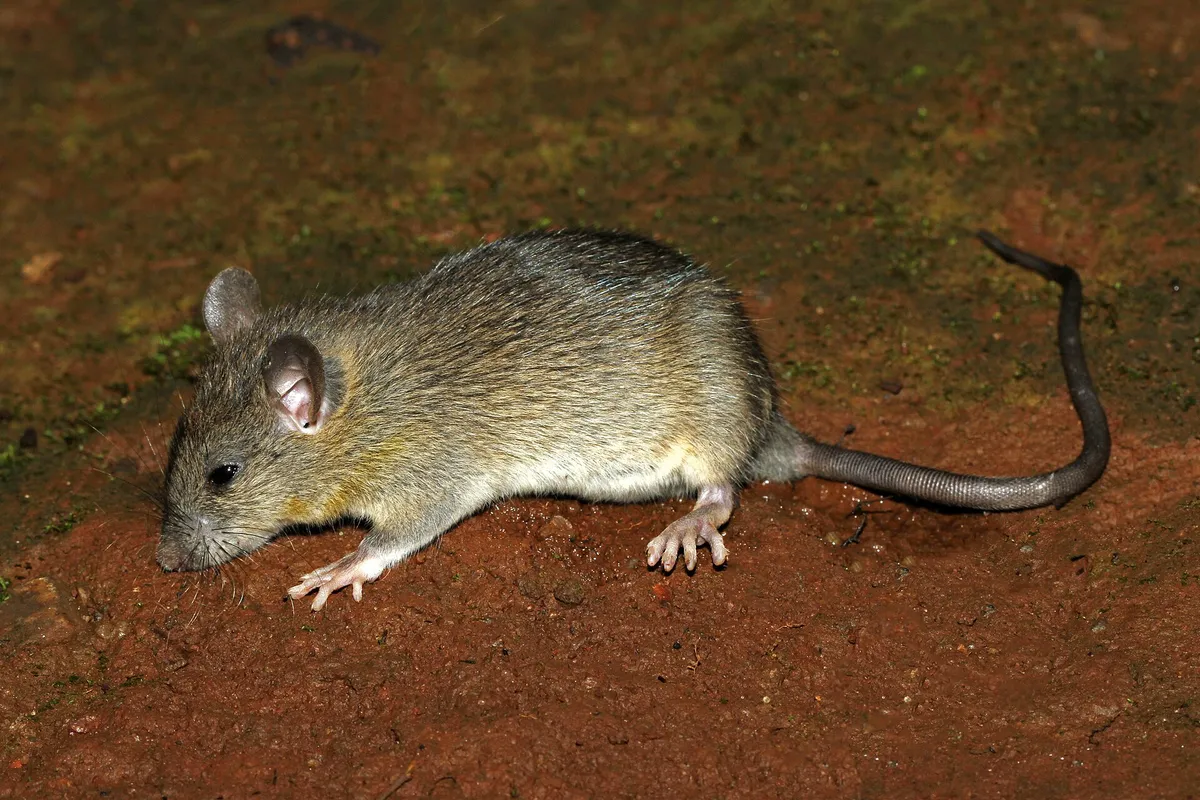
Rats come indoors in the cold months in the north and in the dry months everywhere, looking for water and warmth. Scratching in the false ceiling at night, droppings in the loft, a gnawed packet in the kitchen: trap first, then seal.
Summer: heat brings everything to the kitchen
Cockroaches breed fastest in heat, and the kitchen is the warmest, wettest room in the house. A dry sink overnight, a closed bin and gel in the hidden places carry most kitchens through. The wooden furniture check belongs here too: drywood termites and powder-post beetles leave fine dust under a shelf in the hot months, and the ₹900 per wardrobe injection is quicker and cheaper than replacing the wardrobe.
The annual visit
One arrangement replaces most of this list. A home AMC at ₹3,500 a year brings the technician four times, once a quarter, for the general treatment, the termite walk at the junctions, the drain check and the larvicide in the balcony drains. The spring visit is the pre-monsoon one above; the autumn visit is the post-Diwali one. Households on an AMC rarely make emergency calls, and the warranty runs continuously instead of in three-month islands.
For a society, the equivalent is the commercial AMC at ₹1,500 a month for the common areas, which covers the drains, the lift pits, the stairwells and the garbage point, the places no single household can treat and every household suffers from.