Most of the money Indian households spend on pests goes on products that do little: aerosol sprays, chalk, ultrasonic plugs. A few shop products work very well, and knowing which is which saves both money and a few treatments a year. This is what is worth buying, what to read on the label, and where the professional's version is the only version that works.
Read the label first: CIB registration and the active ingredient
Every insecticide sold legally in India is registered with the Central Insecticides Board and Registration Committee, and the label carries the registration number, the active ingredient and its percentage, the antidote and a colour triangle for toxicity. Green is the least toxic, then blue, yellow, and red for the most. For anything you will use inside a home, buy green or blue, and read the active ingredient rather than the brand name. Two sprays with different names and the same deltamethrin percentage are the same product.
If a product has no CIB number, no active ingredient on the pack and a claim like "100 percent herbal, kills everything", it is a claim and not a product.
Cockroach gel: the one thing worth buying
A syringe of cockroach gel bait, with fipronil at around 0.05 percent or imidacloprid at around 2 percent, is the single most effective product a household can own. A 10 to 20 g syringe is ₹150 to ₹500 depending on the brand. Apply dots the size of a grain of rice, not lines, in the places cockroaches hide rather than where you see them: the hinge side of cabinet doors, under the sink around the trap, behind the fridge and the microwave, inside the back of the switchboard, the gap between the platform and the wall. A dozen dots is enough for a kitchen. Do not spray insecticide over the gel; spray repels them from the bait.
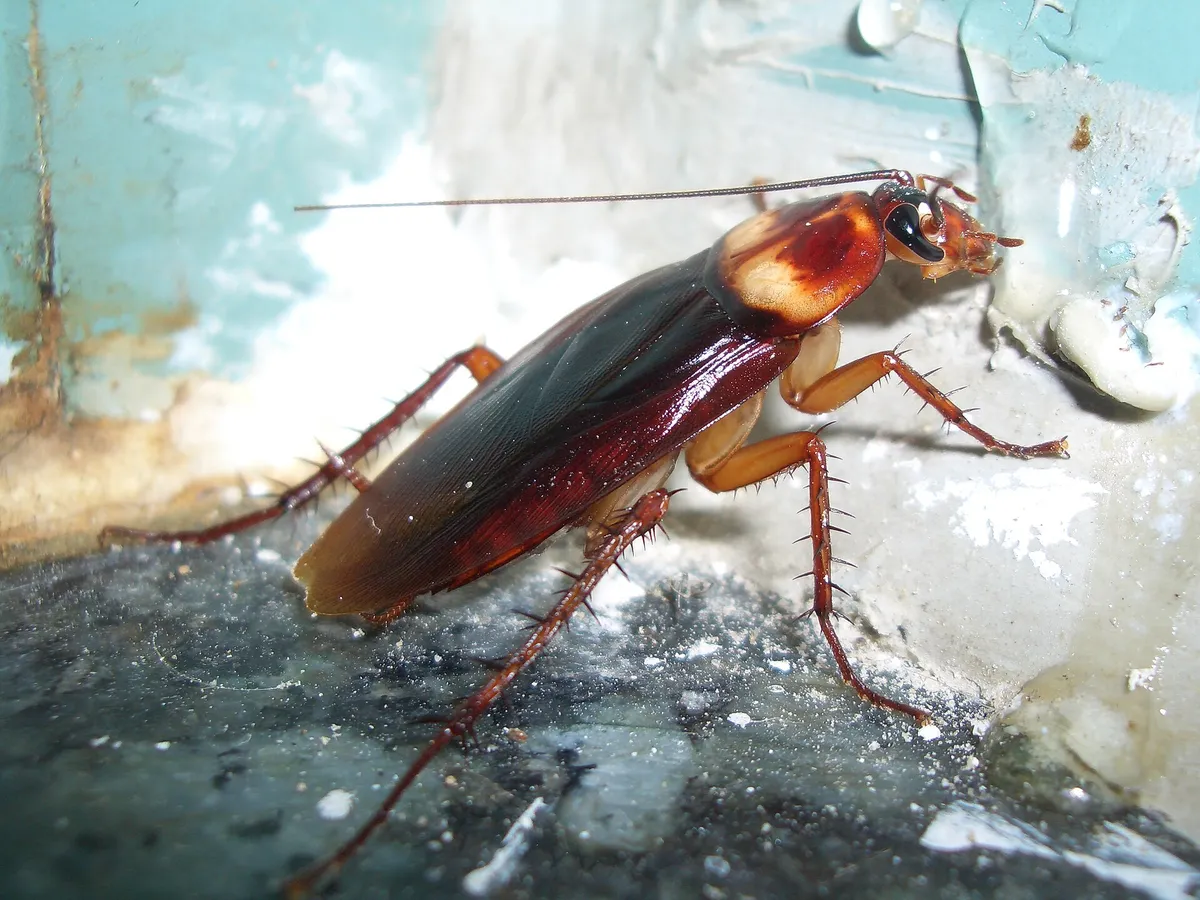
If the gel disappears within a day, the problem is bigger than the gel, and that is the point to call for the ₹2 per sq ft treatment, which combines the gel with a residual spray on the drain side.
Sprays: residual beats aerosol
The aerosol can on the shop shelf kills the cockroach you can see and nothing else; the gas leaves no residue. A residual spray, which the technician uses, leaves a film on skirtings and drains that keeps killing for weeks. You can buy a small bottle of a pyrethroid concentrate, cypermethrin or deltamethrin, dilute it as the label says and apply it with a hand sprayer along the bathroom and kitchen drain edges. Wear gloves, keep children away until it is dry, and do not use it in a room with a fish tank; pyrethroids are highly toxic to fish. A litre of ready-to-use residual spray is ₹200 to ₹400; a hand sprayer ₹300 to ₹600.
For an infestation beyond a single drain, buying spray is a false economy. The ₹2 per sq ft rate buys the right chemical, the right places and a warranty.
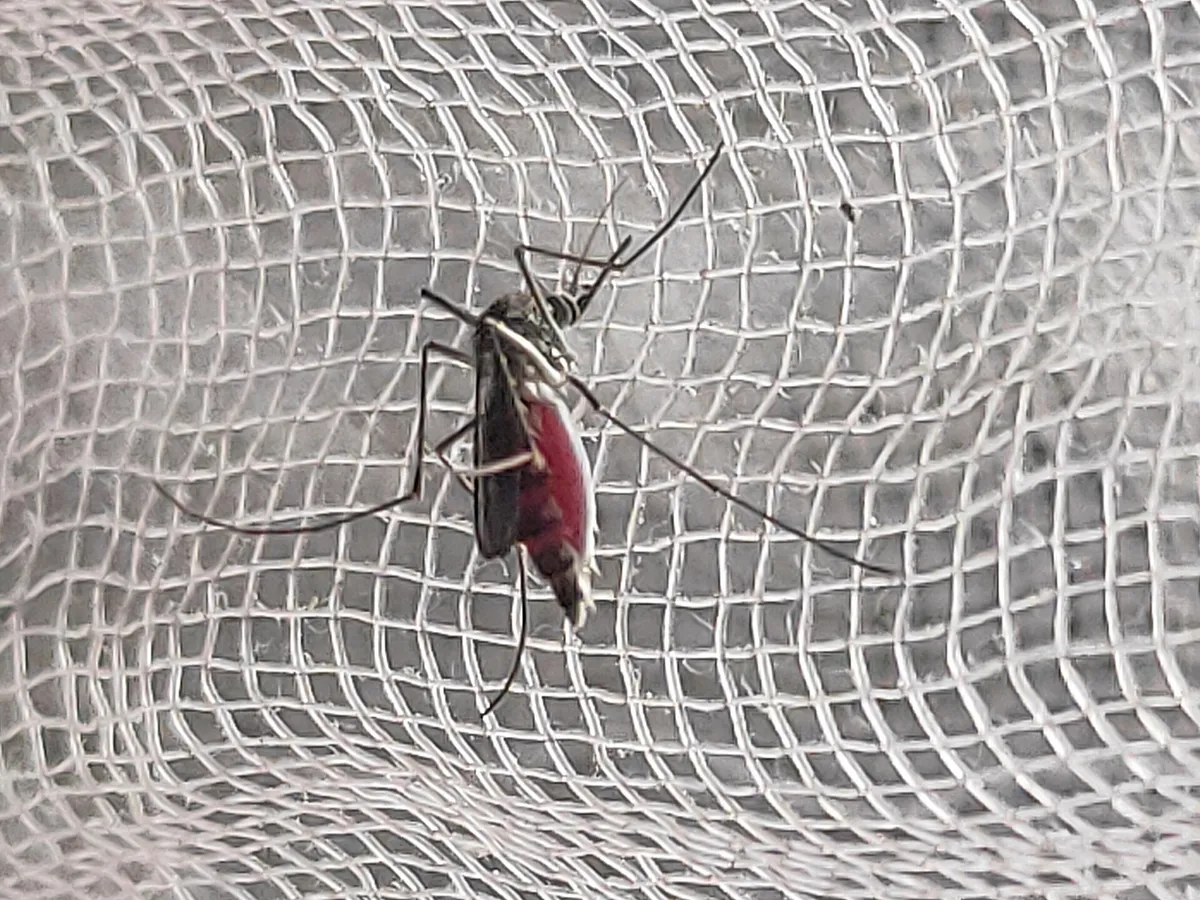
Mosquitoes: nets, mesh and larvicide, in that order
- Window and door mesh. Fibreglass or stainless mesh on frames, ₹60 to ₹150 per sq ft fitted, is the one permanent purchase. It also keeps lizards and flies out.
- A bed net for a child's cot or a bedroom without mesh, ₹300 to ₹800. Long-lasting insecticidal nets exist but a plain net kept tucked in works.
- Liquid vaporisers, the plug-in with a refill, ₹70 to ₹120 a refill. They work in a closed room. Switch it off once the room is empty of mosquitoes and keep a window open a crack; a vaporiser running all night in a sealed room is more chemical than anyone needs.
- Larvicide for the sump and the drains. Temephos granules or a Bti product, which is a bacterium harmless to people and pets, kills larvae in standing water. A few grams in the overhead tank overflow, the sump and the balcony drain every fortnight is what the professional's ₹600 larvicide visit does across a whole compound. Buy it only if you can reach the water.
- Coils are the worst option indoors; the smoke is the problem, not the mosquito. Use them on a balcony if at all.
Rats: traps and mesh, not poison
Rat poison in a home is the product most likely to hurt something it was not meant for: a dog, a cat, a child, or the rat itself dying inside a wall where the smell lasts a fortnight. If you buy anything, buy a snap trap or a cage trap, ₹100 to ₹400, and bait it with roasted peanuts or a bit of fried snack. Glue boards work but are cruel and leave you with a live rat to deal with.
The purchase that ends rat problems is hardware: 6 mm galvanised wire mesh for the drain outlets and the gap under the kitchen platform, steel wool for the gaps around pipes, a door sweep for the gap under the kitchen door. A professional's ₹1,500 rodent job is mostly this proofing, with the bait in locked stations where nothing else can reach it.
Bed bugs: do not buy, call
There is no shop product that clears bed bugs. Sprays make them scatter into the next room, and the eggs survive almost everything. What you can usefully buy is a steam cleaner, ₹2,000 to ₹5,000, for the mattress seams between the two professional visits, and mattress encasements, ₹800 to ₹2,000, that stop them getting back in. The treatment itself is ₹1,500 for one room or ₹4 per sq ft for the home, always two visits.
Termites: nothing in the shop replaces the drilling
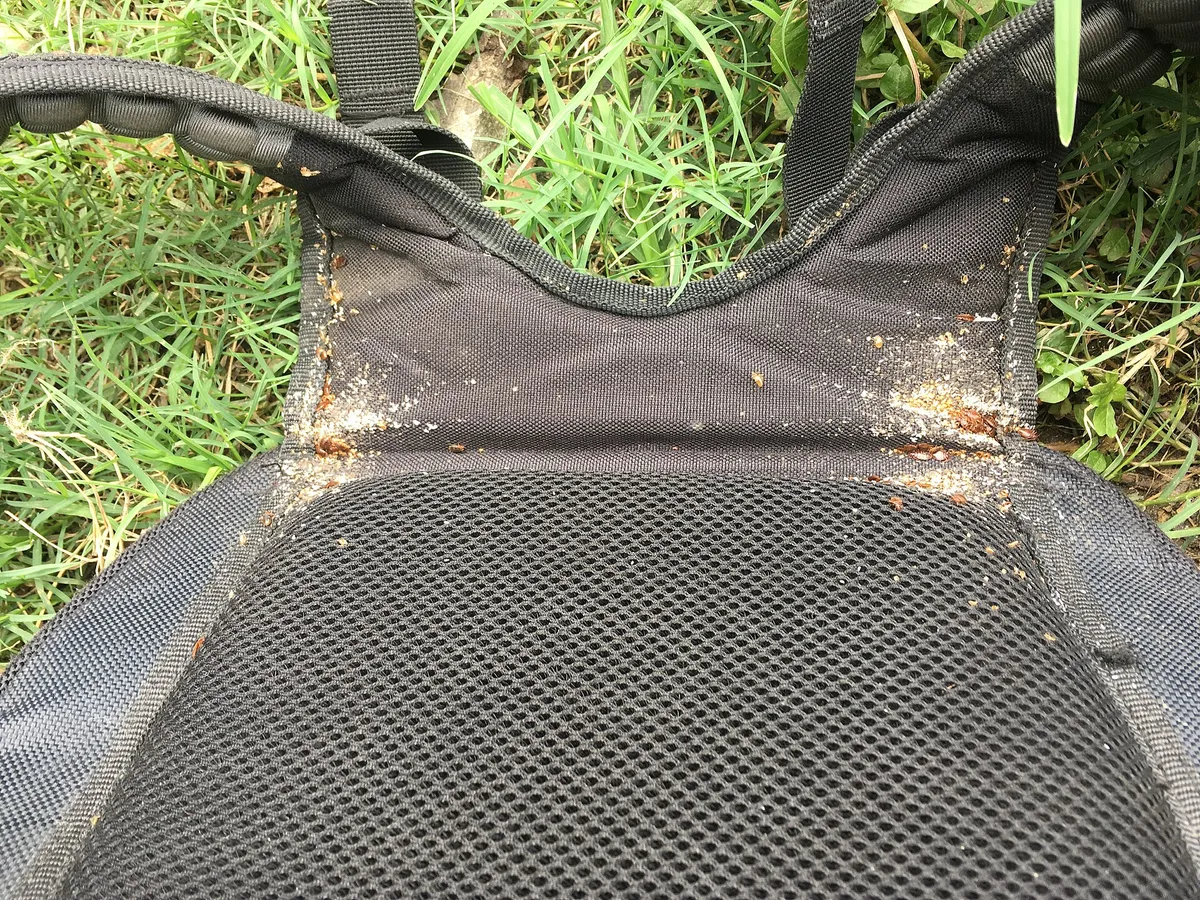
Termite sprays are sold for furniture and they do help on a single piece if you drill a few holes and inject rather than spray the surface. But a wall with mud tubes needs the chemical in the soil and the floor junction, and that is drilling at 30 cm spacing, which is the ₹7 per sq ft job. For furniture only, the ₹900 per wardrobe service injects the piece properly. If you are building, pre-construction treatment at ₹12 per sq ft is the one purchase to insist on with the builder.
Lizards, ants, flies and spiders
- Lizards. No reliable chemical exists. Mesh on windows, no food left out for insects, and the ₹1 per sq ft spray, which works by removing the insects lizards eat. Repellent sprays and eggshells are folklore.
- Ants. The cockroach gel works on sugar ants if you place a dot on their trail. For the big black ants from the garden, follow the trail to the entry point and seal it.
- Flies. A fly bag trap for a terrace or a shop; mesh for the kitchen; keep the wet waste bin closed. A kitchen with a real fly problem is the ₹800 per visit job.
- Spiders. Dusting and a residual spray in the corners; the same ₹1 per sq ft treatment covers them.
Safety basics for anything you buy
- Store it locked, above a child's reach, in its original pack with the label.
- Never decant into a drink bottle. Most pesticide poisonings in homes start with an unlabelled bottle.
- Gloves for anything you dilute; a mask for anything you spray.
- Cover the fish tank and switch off its air pump before spraying anywhere in the room.
- Keep food, water and utensils covered, and keep children and pets out until surfaces are dry, usually two hours.
- Dispose of empty packs in the dry waste, rinsed, not in the kitchen bin.
What a sensible household actually owns
A gel syringe, a hand sprayer with a small bottle of residual concentrate for the drains, mesh on every window, a snap trap in the loft, and the number of a verified pest control professional for the things the shop cannot fix. Everything else is a treatment, priced by area, with a warranty that a shop product never gives.