The difference between a good pest control job and a bad one is not price. It is whether the pest is still gone in three months and whether anyone in the house was put at risk to get there. Here is how to tell, before the work starts, and how to keep the price honest without being difficult.
On the phone: five questions that sort the professionals
- "How do you price this?" You want to hear per square foot for cockroach, termite and bed bug work, per visit for mosquitoes, per job for rodents and hives. A single round number for "the whole flat" means nothing was measured. The TheHire estimator lays the quote out this way, and a professional recognises the list.
- "What chemical, and what is the re-entry time?" The answer should be a name, fipronil gel and a deltamethrin spray for cockroaches, imidacloprid or chlorpyrifos for termites, and a number of hours. "Company chemical" or "no need to leave" for a spray treatment is the wrong answer.
- "What is the warranty, and is the repeat visit free?" Three to six months on cockroaches, a year on termites, from the second visit on bed bugs. A repeat within the period should cost nothing. Ask them to write it on the bill.
- "Do you drill for termites or spray?" The only correct answer for a wall problem is drilling at the floor junction. A spray-only termite "treatment" at a tempting price is money thrown at the wall.
- "We have a toddler, a dog and a fish tank. What changes?" A professional will answer each one: gel and a low-odour spray, the dog out for the afternoon, the tank covered and the pump off. Someone who says nothing changes has not done this carefully before.
At the door: what to look for
- A measuring tape, used. The quote should follow a measurement, not precede it.
- Containers with labels. The CIB registration number, the active ingredient and the colour triangle on the pack. A plain bottle of liquid with no label is the first red flag of the day.
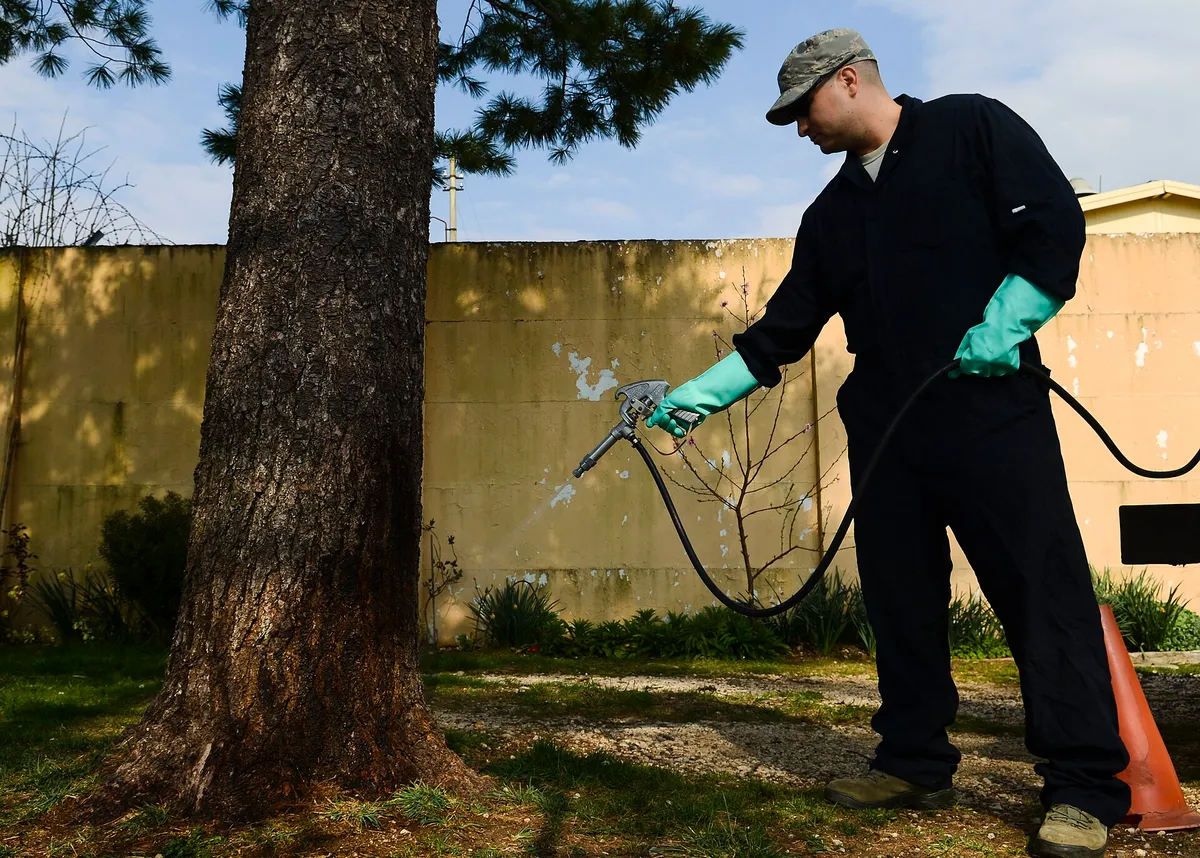
- Gloves, a mask and a proper sprayer. A technician who protects himself is one who understands what he is holding.
- A drill, for a termite job. No drill, no termite treatment.
- A walk-through before the mix is made, asking where you have seen the pest, looking behind the fridge and under the sink, lifting the drain cover.
Red flags
- A quote over the phone for a termite job without seeing the house.
- "Lifetime guarantee" on anything. Nothing in pest control lasts a lifetime.
- A pressure to do the whole flat when you called about one wardrobe. The ₹900 per wardrobe service exists for exactly that case.
- Spraying over the gel, or spraying the kitchen counters themselves rather than the edges and gaps.
- An unbranded container, or a refusal to say what is in it.
- No bill, or a bill without the warranty period on it.
- A price for a rodent job that does not include proofing. The bait is the easy half.
What a fair quote looks like
A fair quote has four parts, and the arguments start when only one of them was discussed.
- Area or unit. The carpet area in sq ft for area-priced work, the number of rooms or wardrobes for per-unit work, the number of visits for mosquito work.
- The rate. ₹2 per sq ft for the general treatment, ₹7 per sq ft for post-construction termite, ₹4 per sq ft for bed bugs over two visits, ₹900 for a fogging visit, ₹1,500 for a two-visit rodent job. Metros run about 30 percent above these; a same-day call about 20 percent.
- The minimum. ₹700 for a studio or 1 RK, because the travel and the mix cost the same for a small flat.
- The warranty and what voids it. Washing the treated skirtings within a week, bringing in infested furniture, or the neighbour's untreated kitchen are the usual exclusions, and a professional will say so in advance rather than at the repeat visit.
For an ongoing arrangement, the home AMC at ₹3,500 for four visits a year is cheaper than two separate emergency calls and includes the termite check each quarter. A shop or office up to 1,000 sq ft is ₹1,500 a month with monthly visits, which food businesses need for their licence inspections anyway.
What to agree before work starts
- Which rooms, and which pests. Write the list on the request. A cockroach treatment does not cover the bed bugs discovered on the day; that is a separate rate, and better quoted upfront than argued afterwards.
- The chemical and the re-entry time, so you can plan where the children and the dog go.
- What you do beforehand: counters wiped, food covered, aquarium covered and pump off, bedding washed for bed bugs, wardrobes emptied for termite injection.
- What you do not do afterwards: no mopping the treated edges for a week, no moving the mattress, no breaking termite tubes.
- The second visit date for bed bugs and rodents, fixed on the day of the first.
- Payment: after the work for a single treatment, part on the day for a termite job or an AMC.
After the work
Ask for the bill with the chemical, the area, the rate and the warranty period written on it. Note the date of the second visit. Keep the technician's number; a warranty is only as good as your ability to call it in. Leave a review once the warranty period has run, not on the day; the measure of a pest control job is three months later, and the next household reading reviews on TheHire needs that measure more than a first impression.

When you need more than pest control
A drain that keeps producing cockroaches is a drain problem; a septic and drain professional clears and seals it. A garden that keeps producing mosquitoes and ants is a gardener's drainage and pot-saucer problem. A kitchen that keeps attracting everything is a deep-cleaning job before it is a pest job, and a cleaning professional is the cheaper first call. The guides for those three trades pick up where this one stops.