Most pest problems in Indian homes come from the same five absences, and none of them is expensive to fix. This is what each one is, why it matters, how to tell in five minutes whether your house has it, and what putting it right costs.
1. A termite check at the wall-floor junction, every monsoon
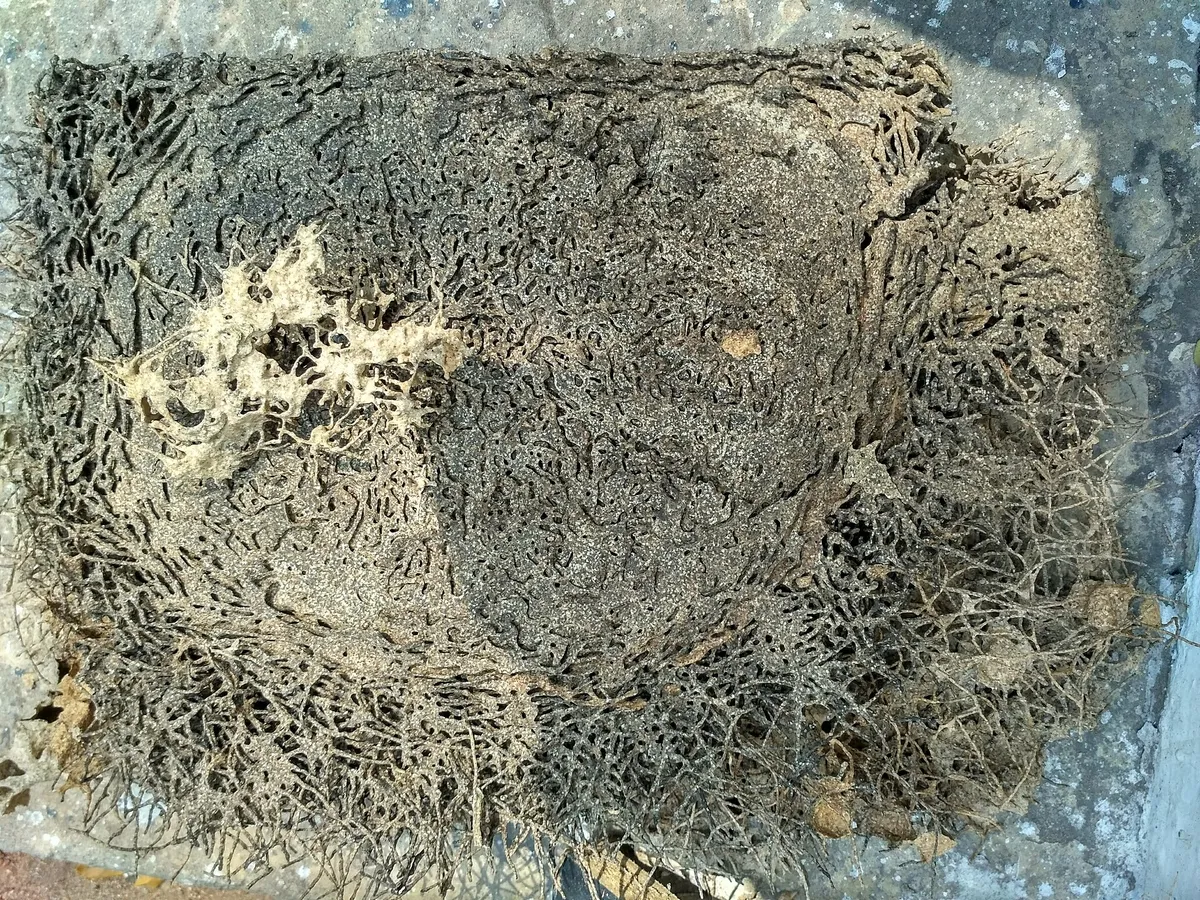
What it is. A walk around the house, inside and out, looking at the junction of the floor and the walls, the back of wardrobes against external walls, door frames at floor level and the undersides of wooden shelves, for mud tubes, blistered paint, and wood that sounds hollow when tapped.
Why it matters. Termites work from the inside out. By the time a wardrobe door crumbles, the colony has been in the wall for a year. The repair bill for a built-in kitchen or a wooden floor is many times the cost of the treatment, and nothing on the home insurance covers it.
How to check. Tap door frames and the skirting with a screwdriver handle; solid wood sounds sharp, eaten wood sounds dull. Look for pencil-thin mud lines running up a wall or across a floor tile. After the first rains, look for discarded wings on windowsills; swarming termites shed them.
What it costs. The inspection is free. If tubes are found, post-construction treatment is ₹7 per sq ft, with a one-year warranty. One infested wardrobe alone is ₹900 to inject. If you are building, pre-construction treatment at ₹12 per sq ft is the single most valuable line in the builder's contract.
2. Mesh on every window and a sweep under every outside door
What it is. Fibreglass or stainless mesh on frames over every window that opens, a mesh door on the balcony, and a rubber or brush sweep on the bottom of any door that leads outside.
Why it matters. Mosquitoes, flies and lizards come in through open windows; rats come in under doors. Mesh is the only mosquito measure that works while you sleep without any chemical in the room, and it is the one purchase that reduces every other pest call.
How to check. Stand inside at dusk with the lights on and look at where the light leaks out. A gap of 6 mm under a door admits a mouse; a centimetre admits a rat.
What it costs. Mesh is ₹60 to ₹150 per sq ft fitted, a door sweep ₹150 to ₹300. A carpenter or an aluminium fabricator fits them; this is not a pest control job, and it is the reason the pest control job is smaller afterwards.
3. No standing water for more than a week
What it is. A weekly habit: empty the cooler, the flower pot saucers, the AC drip tray, the bucket on the terrace, the bird bath and the coconut shells, and keep the overhead tank's lid on and its overflow pipe meshed.
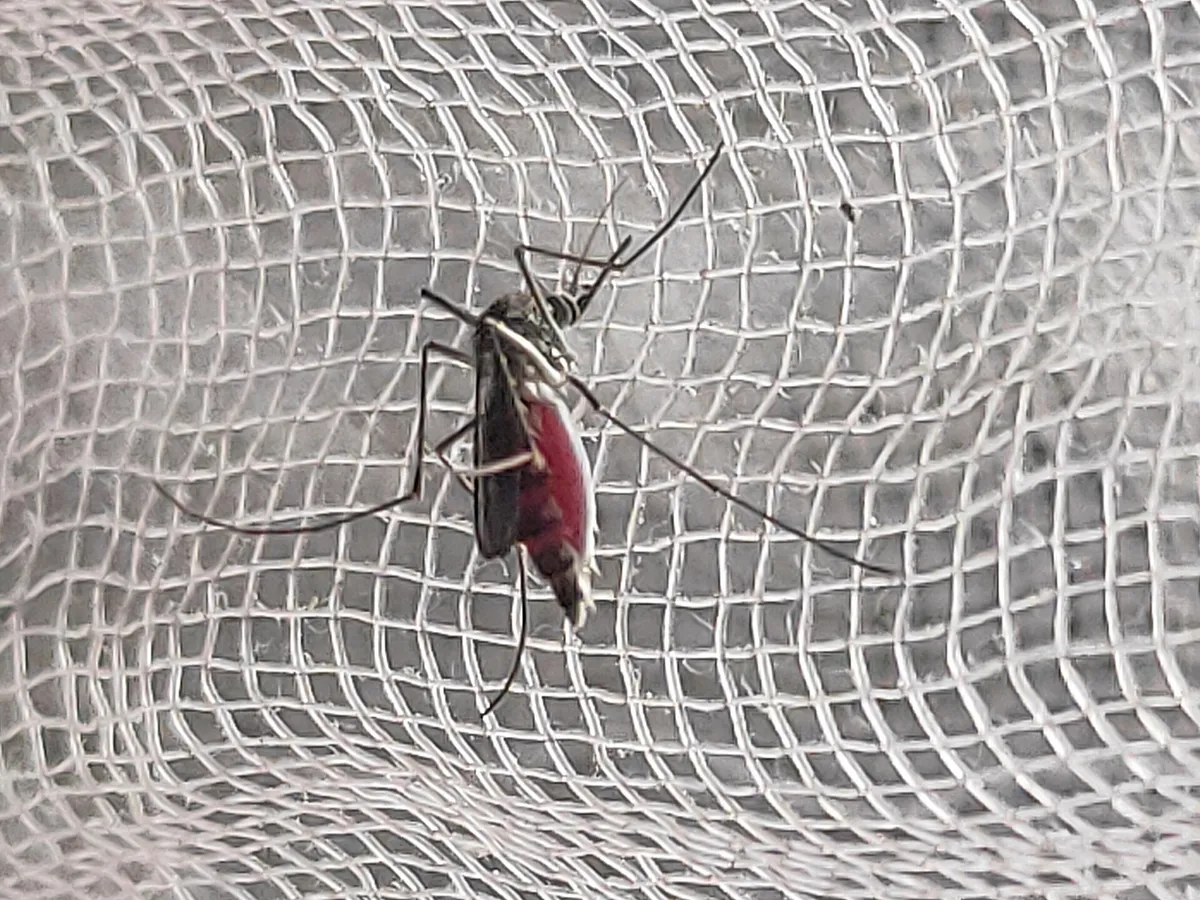
Why it matters. The dengue mosquito, Aedes aegypti, breeds in clean water in small containers, lays eggs that survive drying, and bites by day. It does not come from the dirty drain, which is Culex, and it is not affected by fogging the compound. The only thing that stops dengue at home is removing the water it needs, and the egg-to-adult cycle is about a week, which is why the check is weekly.
How to check. Walk the balcony and the terrace once with a torch, looking into anything that holds water. Wrigglers, the larvae, are visible to the naked eye.
What it costs. Nothing. For a society, a larvicide round at ₹600 per visit treats the drains and sumps that households cannot empty; fogging at ₹900 per visit is for an outbreak, not a habit.
4. Sealed gaps around pipes and drains
What it is. Wire mesh over the floor drain outlets in the bathroom and the kitchen, steel wool or cement around the pipes where they pass through walls, a cover on the gap under the kitchen platform, and a grating on the drain outside.
Why it matters. Big cockroaches live in the drain, and rats travel the pipe shafts of every apartment building in India. A treatment kills what is inside; the seals stop what is outside from coming in next week. A rodent job without proofing is the one most often repeated.
How to check. Lift the bathroom drain cover and look for a mesh under it. Look behind the washing machine and under the sink at the pipe entries; daylight or a draught through the gap is a gap a cockroach uses.
What it costs. Mesh and steel wool are a few hundred rupees from the hardware shop. The ₹1,500 rodent treatment includes the proofing as its second half, and the technician will point out the gaps even on a cockroach call if you ask.
5. A chemical you know the name of, and a time you can go back in
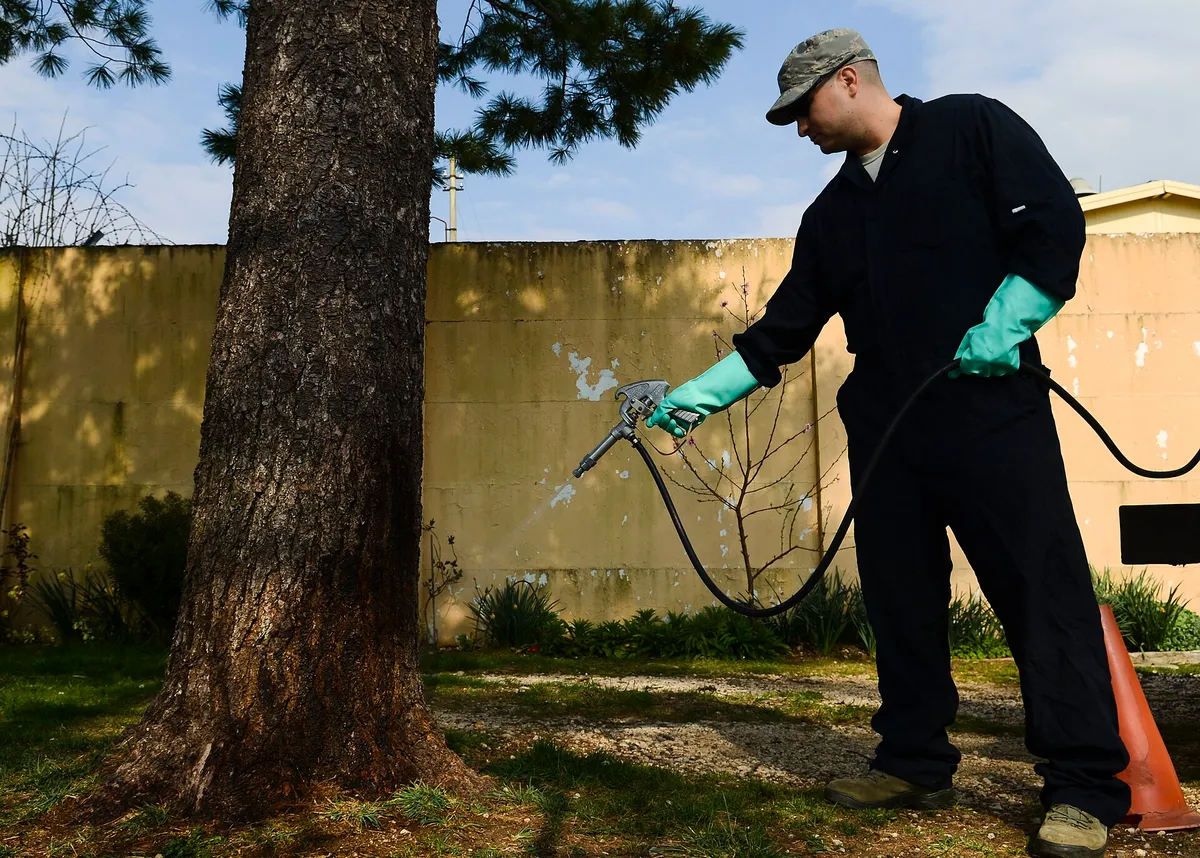
What it is. For every treatment, the active ingredient written on the bill, the CIB registration visible on the container, and the re-entry time stated in hours before the technician starts.
Why it matters. This is the difference between a treatment and a risk. Pyrethroids are safe once dry and lethal to fish while wet; chlorpyrifos has a smell that lingers for days and is not something to breathe in a closed flat; gel baits are safe to be in the house with. A technician who can say which one is in the sprayer has thought about your toddler, your asthma and your aquarium; one who says "the regular chemical" has not.
How to check. Ask before the work: "What is the active ingredient, and when can we come back in?" The answer should be a name and a number. Ask to see the container.
What it costs. Nothing extra. The herbal upgrade at ₹1 per sq ft exists for homes that need to stay in during treatment; the standard chemical, correctly named and correctly timed, is the right choice for most.
Doing all five at once
A home AMC is the sensible way in. At ₹3,500 a year for a 1 or 2 BHK the technician comes four times, does the general treatment each quarter, checks the junctions for tubes, and points out the gaps and the standing water on the way round. Most homes on this plan stop calling for emergencies. The mesh and the seals are a one-time job for a carpenter; the dry day is a habit; the termite check is a walk you can do yourself between visits.
If you are moving into a flat, do the termite walk before the deposit is paid. A tube on the wall behind the wardrobe is the owner's problem on day one and yours on day two.