Most pest control comes down to a handful of either-or decisions, and the operator will push whichever has the better margin that week. Here are the six that matter in an Indian home, with the trade-offs laid out plainly and the costs beside them.
Gel or spray for cockroaches
Gel. Fipronil or imidacloprid in a food bait, applied as dots in the hidden places. The cockroach carries it back to the harbourage and the colony dies over a few days. Nothing in the air, no need to leave the house, works on the small German cockroaches that live inside the kitchen. Slower to show results; you may see more cockroaches for a night or two.
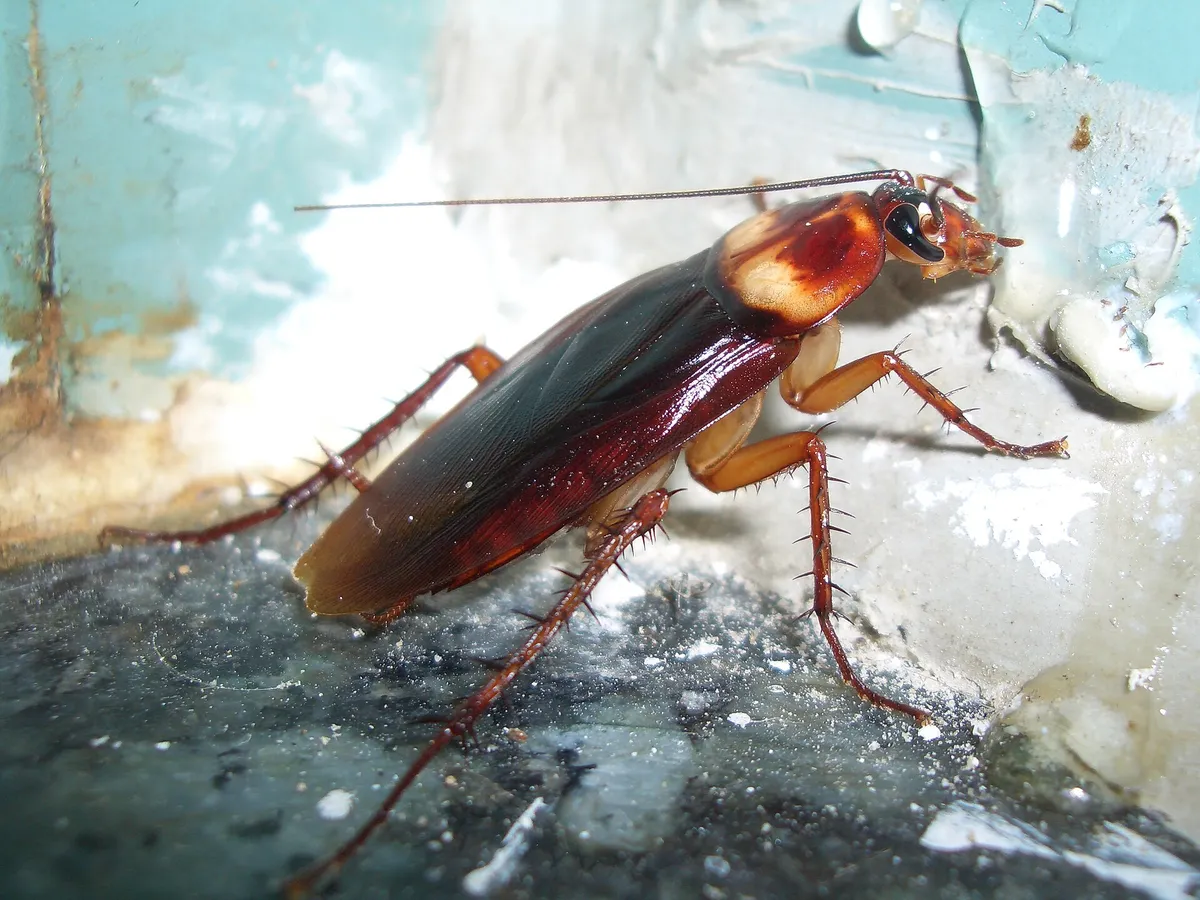
Spray. A residual pyrethroid along skirtings and drain edges. Immediate knockdown, a film that keeps killing for weeks, works on the big American cockroaches coming up from the drain. Requires two to four hours out of the house, must be kept off counters and away from the aquarium, and washes off if you mop the edges.
The answer is both, which is what the ₹2 per sq ft treatment is. If a technician offers only one, gel is the one to insist on for a kitchen problem and spray for a drain problem. Spray applied over the gel cancels the gel; a professional applies the two in different places.
Herbal or standard chemical
Herbal, or odourless. A botanical or low-odour, low-concentration formulation at ₹1 per sq ft on top of the treatment. You stay in the house, the smell is minimal, the re-entry time is short. Right for a home with an infant, a pregnant woman, an asthmatic, a bird or an elderly person who cannot go out for the afternoon. The trade-off is that it is milder and may need a repeat sooner.
Standard. The pyrethroid spray and the standard gel. Longer residual life, the warranty is built on it, cheaper. Right for most homes, with the precautions: everyone out for the stated hours, windows open on return, food covered, the fish tank covered with its pump off.
The answer depends on who lives in the house, not on the pest. Gel-only is the quiet third option for a kitchen with a toddler; it needs no vacating at all.
Drilling or baiting for termites
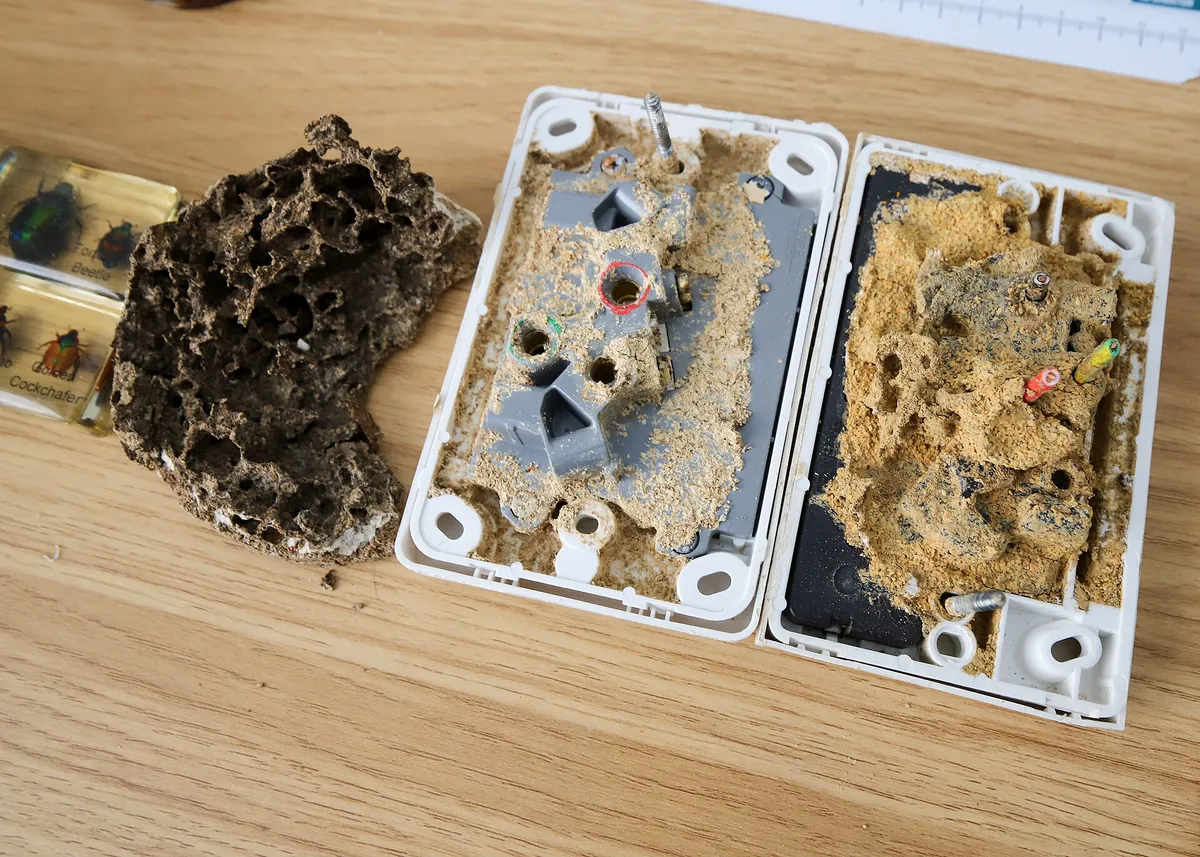
Drilling and injection. Holes at 30 cm along the wall-floor junction, termiticide injected into the soil below, holes sealed. Creates a treated zone the termites cannot cross. Noisy and dusty for a day, a one-year warranty, ₹7 per sq ft. The standard for an Indian house, and the only option that treats the soil the colony lives in.
Bait stations. Cellulose baits with a growth inhibitor placed in the ground around the house, which foragers carry back to the colony. No drilling, no chemical in the house, and it can kill the colony itself rather than only fencing it off. Slower, needing months of monitoring visits, and offered by fewer operators; usually quoted on scope rather than on a rate card. Right for a bungalow with a garden perimeter and an owner who will keep the monitoring going; wrong for a flat in a building where the colony is under someone else's floor.
Spray-only. Not an option for a wall problem, whatever the price. For a single piece of furniture, injection at ₹900 per wardrobe is the right scope.
If you are building, none of this is the choice. Pre-construction treatment at ₹12 per sq ft at the foundation stage is the one that cannot be done later and protects for years.
Fogging or larvicide for mosquitoes
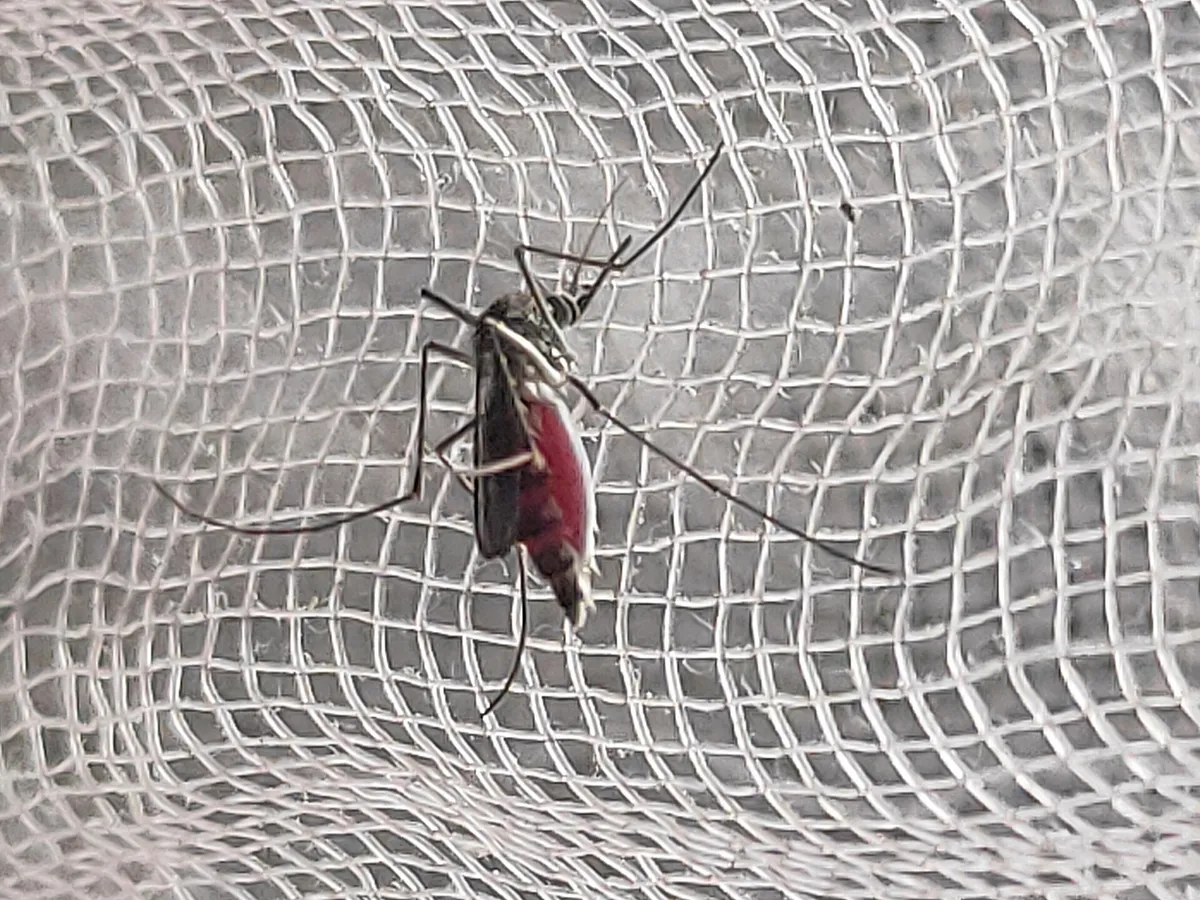
Fogging. A thermal fog of pyrethrum or malathion in the compound at ₹900 per visit. Kills the adults in the air for that afternoon. Visible, satisfying, and nearly without lasting effect. Right for a dengue case in the building, or the evening before an outdoor function.
Larvicide. Temephos or Bti in every drain, sump, overflow and pit at ₹600 per visit. Kills the larvae for weeks, nothing in the air, and Bti is harmless to people and pets. Right as the monthly routine from the first rain to the end of October.
The answer for a society is larvicide monthly and fogging only when there is a reason. For a household, neither reaches the cooler tray or the pot saucer; the weekly dry day and window mesh do.
One-off treatment or an AMC
One-off. You call when you see something. Each call is priced on its rate with its own warranty, and you pay nothing between problems. Right for a home on a high floor with no garden that has had one problem in two years.
AMC. Four scheduled visits a year for ₹3,500 for a 1 or 2 BHK: the general treatment each quarter, the termite check at the junctions, a look at the drains and the gaps. The warranty runs continuously. Right for a ground or first floor, a house with a garden, a kitchen that feeds many, or anyone who has made two calls in a year. For a shop or office up to 1,000 sq ft, monthly visits at ₹1,500 a month are what a food licence inspection expects to see.
The arithmetic: the AMC costs about what two emergency calls on a 2 BHK cost, and the household on an AMC tends not to make the emergency calls.
Trap or poison for rats
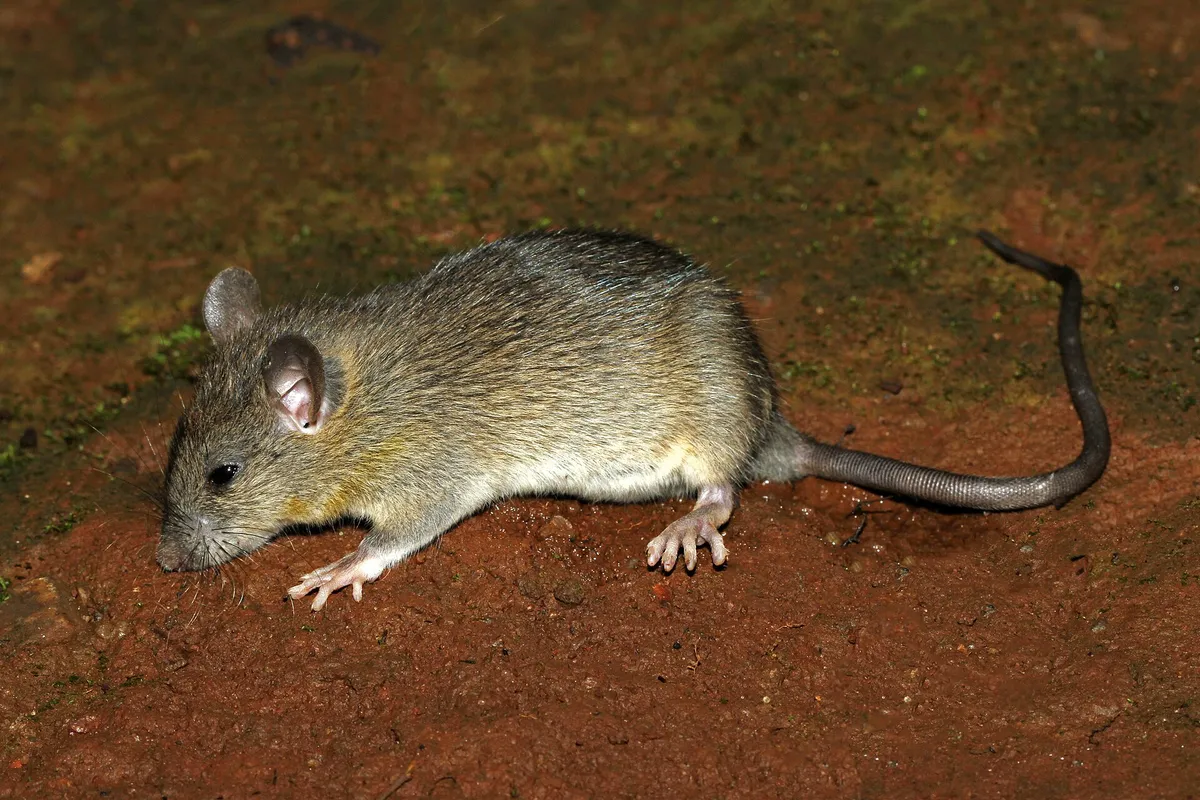
Trap. Snap or cage traps on the route, baited with a peanut. The rat is removed, there is no poison in the house, and the smell of a rat dead inside a wall never happens. Right inside a flat, in a kitchen, anywhere a child or a pet lives.
Poison. Bromadiolone cakes in locked bait stations. Works on a population rather than a rat, and the rat usually goes outside to die. Right in a shaft, a basement, a compound or a godown, in stations nothing else can open. Wrong loose in a kitchen or on a balcony.
Either way, the half that matters is proofing: mesh, steel wool, door sweeps. The ₹1,500 two-visit job includes it; a quote that does not is only half a job.
The pattern behind all six
In every pair, one option is visible and immediate and the other is quiet and lasting: spray against gel, fogging against larvicide, poison against proofing, an emergency call against an AMC. Indian pest control sells the visible one by default because the customer can see it working. The lasting one is what the warranty is built on, and asking for it by name is how you get it.