Short, practical, and learned the hard way. Each one is something an electrician on TheHire has told a customer more than once. Save this; most of it costs nothing.
Safety
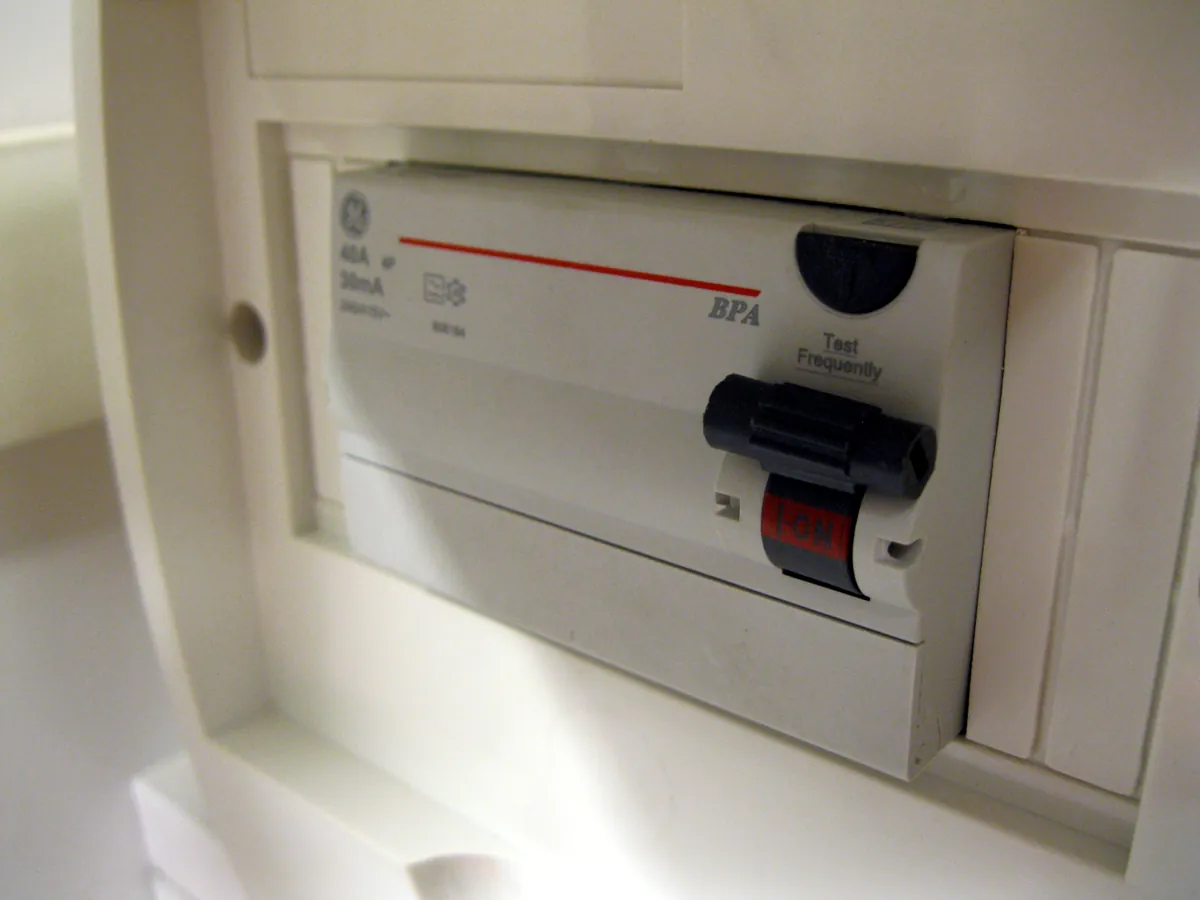
- Press the RCCB test button on the first of every month. It should trip with a click. If it does not, the one device that protects people from shock is not working. If there is no RCCB on the board, fitting one is ₹1,200 plus the device, and it is the first thing to do in any house.
- Never run a heater, iron or kettle on an extension board. Boards are rated for a lamp and a charger. Heaters draw ten amps and melt the cord. A 16A point where the heater lives is ₹600.
- Switch off the geyser before stepping into the shower. If the earthing has failed, the geyser body can go live; off at the wall removes the risk entirely. A tingle from the tap means switch it off and do not use it until an electrician has been.
- A warm switch plate is a warning, not a quirk. It means a loose contact behind it. Stop using that point and get it looked at; the fix is ₹220.
- Keep one torch where you can find it in the dark. The MCB will trip at night at some point, and a phone torch is fine until the phone is at 2 percent.
Money
- Group small jobs into one visit. Two switches, a fan and a socket in one call is cheaper than four calls. You pay one ₹300 visit charge, usually waived, instead of four, and electricians on TheHire discount from the fourth item.
- Replace a failing fan with BLDC. It uses less than half the power. On a fan running ten hours a day the premium pays back in about two years; fitting is ₹550 with the remote receiver.
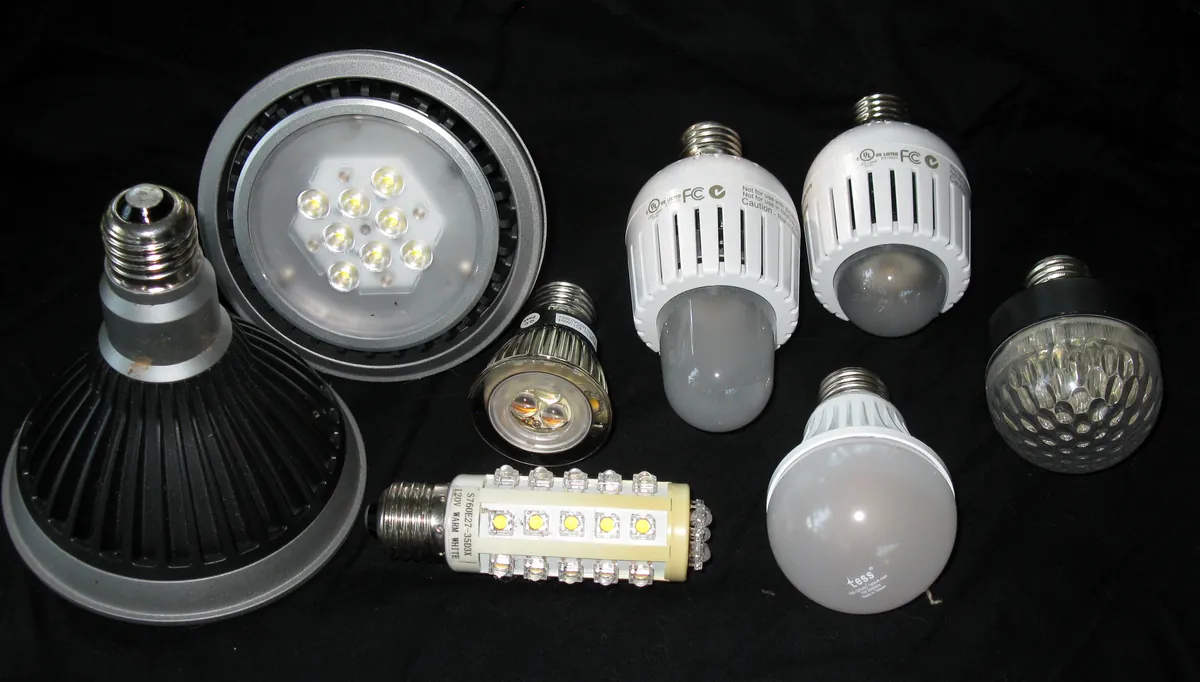
- Buy LEDs by lumens, not watts, and by colour temperature. 3000 K in bedrooms and living rooms, 4000 K in kitchens. Mixed temperatures are why a new flat feels off. A good panel costs ₹250 to ₹600 and ₹300 to fit.
- Ask for the material bill. It tells you what is in the wall and it is what a warranty claim needs.
- Fit a stabiliser only where it is needed. An inverter AC often has a wide input range printed on it; a stabiliser on top is money for nothing. Check the label before paying ₹400 to fit one.
Daily life
- Label the MCBs. Ten minutes with a marker: lights front, sockets kitchen, AC bedroom. The next trip in the dark takes seconds, not a search.
- Give the fridge and the AC their own sockets. A multi-plug shared between two heavy appliances is the usual cause of a melted socket. A dedicated AC line is ₹1,400 and is the one point in the house worth doing properly.
- Before the monsoon, look at the outdoor points. Gate light, balcony socket, pump switch. A weatherproof cover is ₹150; a tripping board every rainy evening is the alternative, and finding the wet point afterwards is ₹1,200.
- Photograph the inside of the board once. When something goes wrong, the electrician on the phone can see what you have and arrive with the right part.
- Do not reset a tripped MCB more than once. If it trips again at once, there is a short. Resetting repeatedly is how a small fault becomes a burnt wire. Diagnosis is ₹800 and it is cheaper than the wire.
Three more for people who own the house
- Get the earth tested before the monsoon, when the ground is driest and the reading is worst. Under five ohms is good. Topping up the pit is cheap; a new earth is ₹5,000.
- Put a point where the Diwali lights hang. One outdoor point with a cover at ₹900 ends the chain of extension boards every October.
- Book the annual visit in April. ₹800 for every connection on the board tightened, the earth and the RCCB tested, and the heavy points checked. Houses that have this done do not call in the rains.
Four for the kitchen, where most of the load is
- One heavy appliance per socket. The microwave, the induction hob, the kettle and the mixer each pull between one and two kilowatts. Two of them on one socket through a multi-plug is the melted-plate call. A 16A kitchen point for the hob is ₹700; one for the microwave or OTG is ₹700.
- Keep the board's kitchen MCB separate from the lights. If the kitchen sockets and the kitchen lights share one MCB, a kettle fault leaves you cooking in the dark. It is a small rewiring at the board and worth asking for at the next visit.
- The chimney needs its own switch within reach, not a socket behind it that nobody can get to. The electrical side of a chimney is ₹650 and the installer will thank you for having it ready.
- Water purifiers and dishwashers want earthed points. Both have heating elements or pumps sitting in water. A purifier point is ₹400, a dishwasher point ₹700, and both are cheaper than a shock.
Related tips you might want next
The AC load, the stabiliser question and the annual service sit on the border with the AC technician's trade. What rooftop solar changes at the board is the solar installer's. And the geyser is half plumbing: the tank, the pressure and the pipes. The guides for those three trades pick up where these tips stop.