A ceiling fan should not cost ₹1,500 to fit, and an MCB that keeps tripping is not a reason to rewire the house. Here is what each common job actually involves, what you should expect to pay in a typical Indian city, and the five things that separate a safe electrician from a risky one.
The short answer
Most household electrical jobs cost between ₹220 and ₹1,400 in labour. The visit charge is around ₹300 and almost every electrician waives it once you go ahead with the work. Materials are separate, and you are entitled to see the bill.
| Job | Typical labour | Priced per |
|---|---|---|
| Switch or socket dead | ₹220 | point |
| Fan or light not working | ₹250 | point |
| Ceiling fan installation | ₹450 | fan |
| Tube light or LED batten | ₹250 | light |
| New 6A power point | ₹800 | point |
| MCB keeps tripping | ₹800 | job |
| Geyser installation, electrical side | ₹850 | unit |
| AC point, dedicated 5-pin line | ₹1,400 | point |
| RCCB / ELCB installation | ₹1,200 | unit |
| Full rewiring, labour only | ₹40 | sq ft |
Metro cities such as Mumbai, Delhi and Bengaluru run about 30 percent higher. A same-day call adds roughly 20 percent. Flexible timing takes a little off. These are the figures the TheHire cost estimator uses, so what you read here is what it will quote.
How electricians actually charge
There are four parts to the number you pay, and most arguments happen because only one of them was discussed on the phone.
- The visit charge. Around ₹300 to come and look. Nearly everyone waives it when the job goes ahead, so ask: "Is the visit free if I get the work done?"
- Labour, priced per unit. Small repairs are per point, fans and lights per piece, faults per job, wiring per point, and whole-house work per square foot. If the quote is one lump sum, ask for it broken down this way.
- Materials. Switches, wire, MCBs, holders. Good electricians buy from a shop they trust and show you the bill. A 6A modular switch is ₹60 to ₹150 depending on the brand; a 16A socket around ₹150 to ₹300; an MCB ₹250 to ₹600.
- Where you live and when you need it. Tier 1 cities cost more, and an emergency call on a Sunday evening costs more. Neither is unreasonable, but both should be said upfront.
The eight jobs every home eventually calls for
1. A switch or socket that has died, ₹220 per point
Usually a burnt contact or a loose neutral behind the plate. Twenty minutes with the board off. If more than one point on the same wall has failed at once, the fault is upstream, so expect the "no power in part of the house" rate of about ₹700 instead.
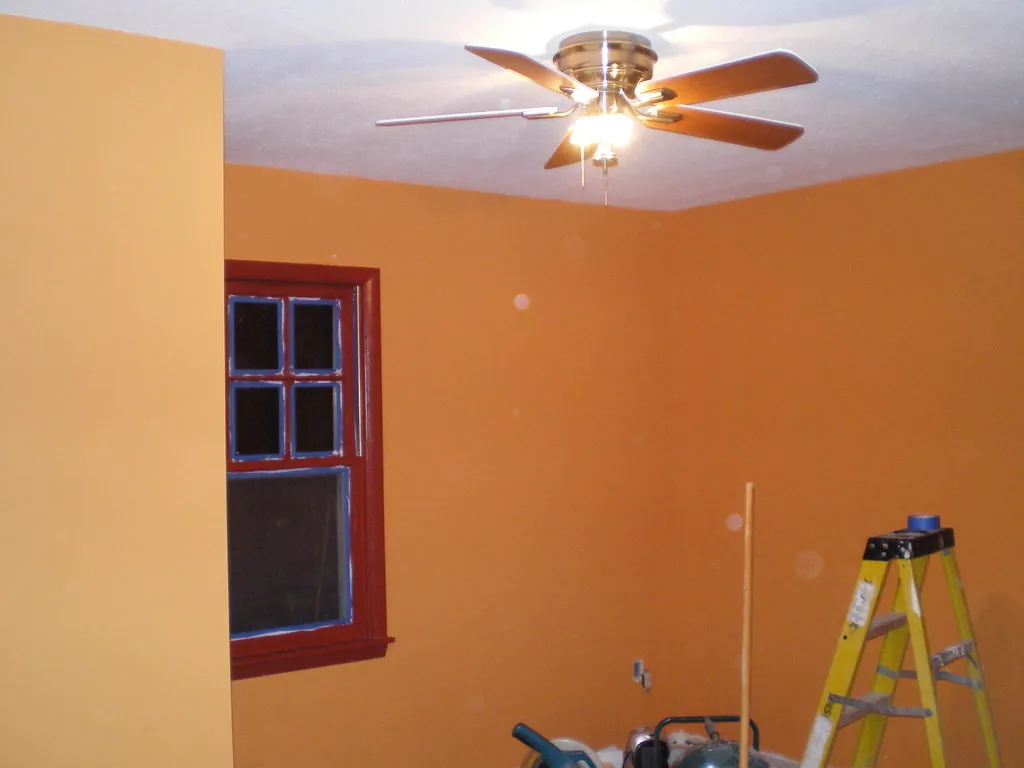
2. Ceiling fan installation or replacement, ₹450 to ₹500 per fan
Fitting a new fan on an existing hook, connecting the regulator, and checking the speed. A BLDC fan with a remote is ₹550 because the receiver needs wiring. The thing to watch is the hook: if the ceiling has no proper fan hook and the electrician proposes a fan box or a drilled anchor, that is extra and needs a mason's opinion in an old house.
3. MCB keeps tripping, ₹800 per job
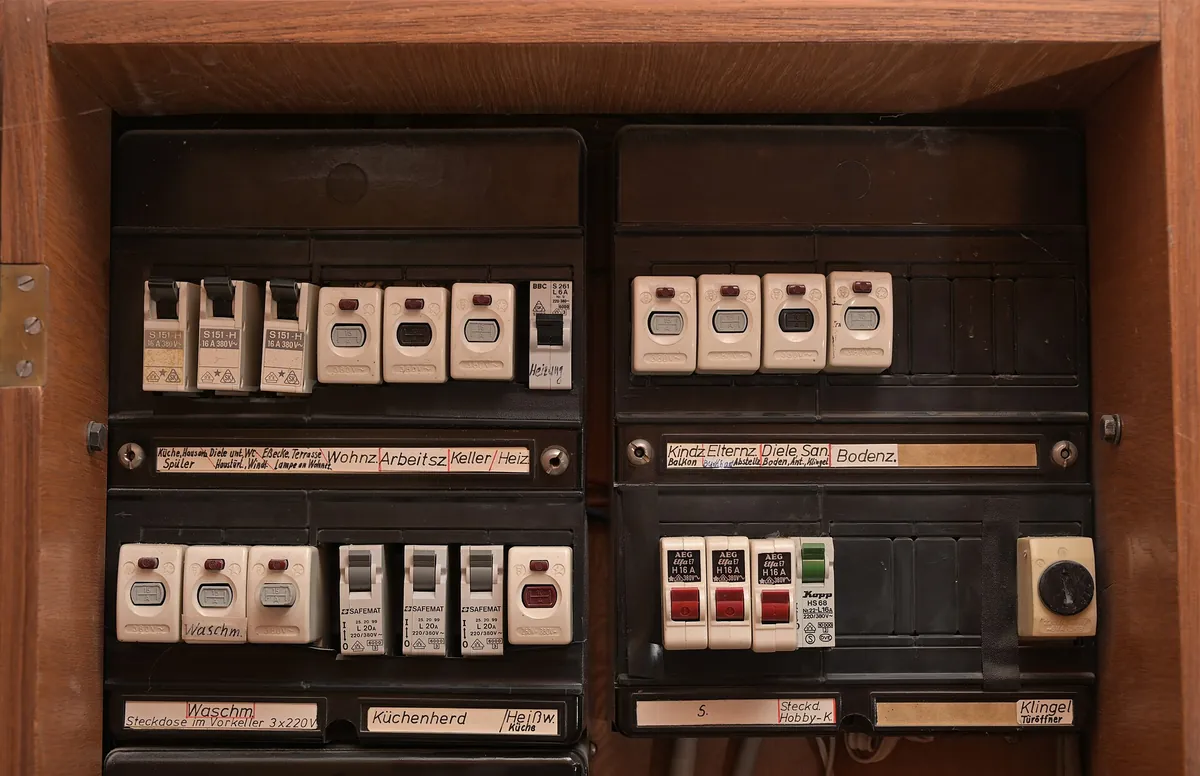
This is diagnosis, not parts. The electrician isolates circuits one by one to find the appliance or the stretch of wiring that leaks. A tripping MCB is the system doing its job. Never let anyone "fix" it by fitting a higher-rated MCB. That removes the protection and is how wiring fires start.
4. Lights: tube, panel or chandelier, ₹250 to ₹1,400
A batten or panel is quick. A chandelier is a two-person job because of the weight and the ceiling anchor, which is why it is ₹1,400. LED strip for a cove is ₹120 per metre of labour, with the strip and driver on top.
5. A new power point, ₹800 to ₹1,400
A 6A point for a lamp or a phone charger is ₹800. A 16A point for a geyser, microwave or AC is ₹1,100, and a dedicated AC line back to the board is ₹1,400 because it runs its own wire and its own MCB. Concealed wiring in a finished wall means chasing and patching, which is where the material and the mess come in, so agree the route before the first hole.
6. Geyser, chimney and kitchen appliances, ₹650 to ₹850
The electrical side only: the 16A point, the earthing and the switch within reach. Plumbing for the geyser is a separate trade. A geyser without earthing is the single most common dangerous setup in rented flats; the ₹700 "washing machine point with earthing" price exists for the same reason.
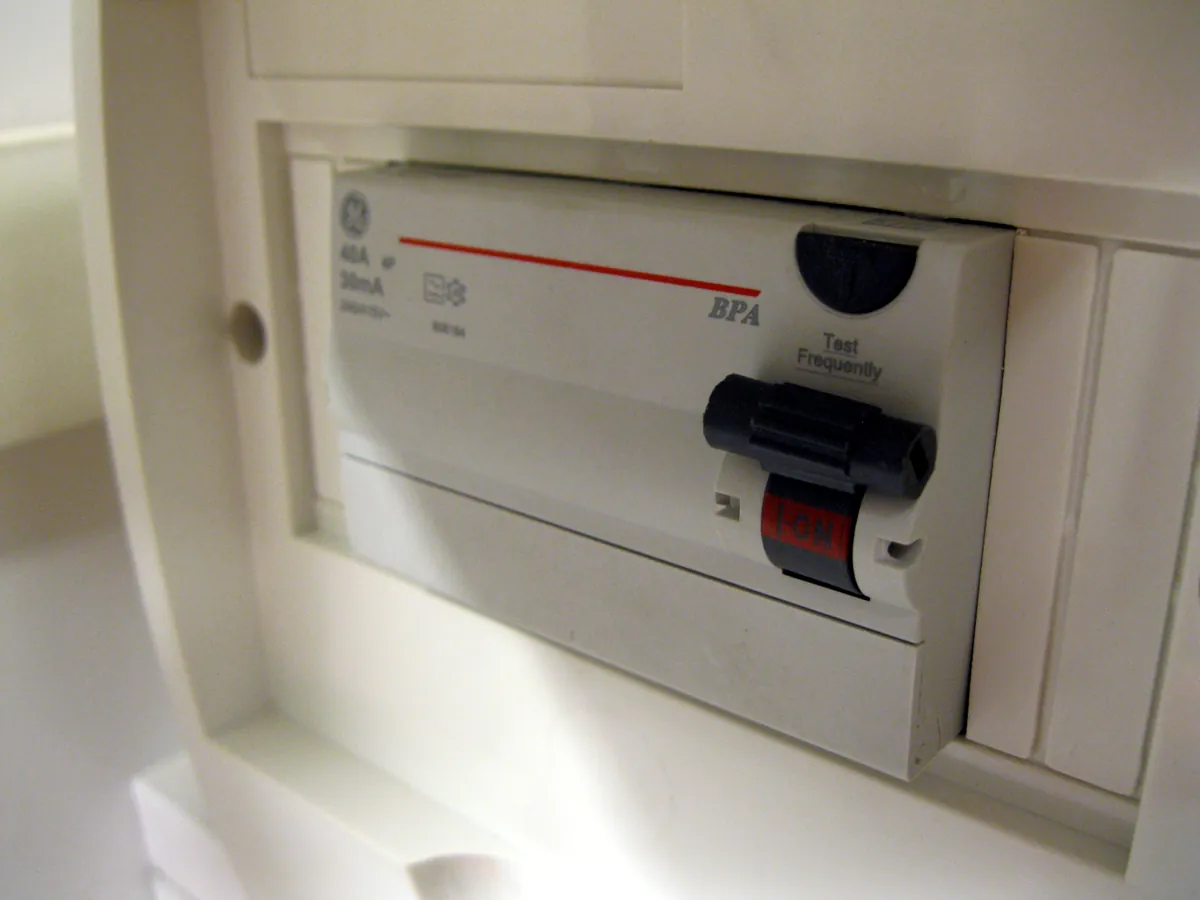
7. RCCB or earthing, ₹1,200 and ₹5,000
An RCCB, also sold as ELCB, trips in milliseconds when current leaks through a person. If your board does not have one, it is the best ₹1,200 plus a ₹1,500 to ₹2,500 device you will spend on the house. New earthing at ₹5,000 is a half-day job with a pit, a plate or rod, and a test; ask for the earth resistance reading in writing.
8. Rewiring and new-flat fit-outs, ₹30 to ₹40 per sq ft
Labour only; copper wire is the big material cost and moves with the metal price. An 800 sq ft flat rewired is roughly ₹32,000 in labour plus materials. Signs you need it rather than another repair: aluminium wiring, cloth or rubber insulation, wiring older than 25 years, repeated trips with no single culprit, or warm switchboards.
One rule that saves money: group the small jobs. A visit that fixes two switches, fits a fan and adds a socket costs less than four visits, and electricians on TheHire discount from the fourth item onwards.
Five signs of a safe electrician
- They switch off the main before opening anything, and test the point is dead with a tester, not a finger.
- They refuse to replace an MCB with a higher-rated one to stop tripping.
- They use ISI-marked wire of the right gauge: 1.5 sq mm for lights, 2.5 for sockets, 4 for AC and geyser lines.
- They ask whether the board has an RCCB and whether the earthing works, even if you called about a fan.
- They leave the board labelled, and they show you the material bill without being asked.
Every electrician on TheHire is ID and phone verified, and reviews after each job are public, which takes care of the part you cannot check at the door.
What to keep ready before they arrive
- Know where the main switch and the meter are.
- A torch, in case the job needs the power off for a while.
- The appliance manual if it is an installation; the required socket rating is printed in it.
- Your preferred brand of switch, or a budget, so there is no back-and-forth over materials.
- Photos of the problem if you are posting a request; a picture of a scorched socket says more than a paragraph.
When the price is not the price
Three situations change the numbers above, and a good electrician will say so before starting rather than after.
Old concealed wiring. If the conduit is blocked or crushed, a "new point" becomes a chase through plaster. The labour roughly doubles and there is patching afterwards. Ask whether the conduit is clear before agreeing a per-point rate.
No earthing. Any appliance point quoted without earthing is a point that will need redoing. If the house has no working earth, the ₹5,000 earthing job comes first and every socket after it is priced normally.
Night and emergency calls. A sparking board at 10 pm is worth paying the ₹500 night visit for. Nothing else is. A dead fan can wait until morning, and the same electrician will charge the day rate for it.