Most electrical shopping comes down to a handful of either-or decisions, and the shop will push whichever has the better margin that week. Here are the six that matter in an Indian home, with the trade-offs laid out plainly and the fitting costs beside them.
BLDC fan or ordinary induction fan
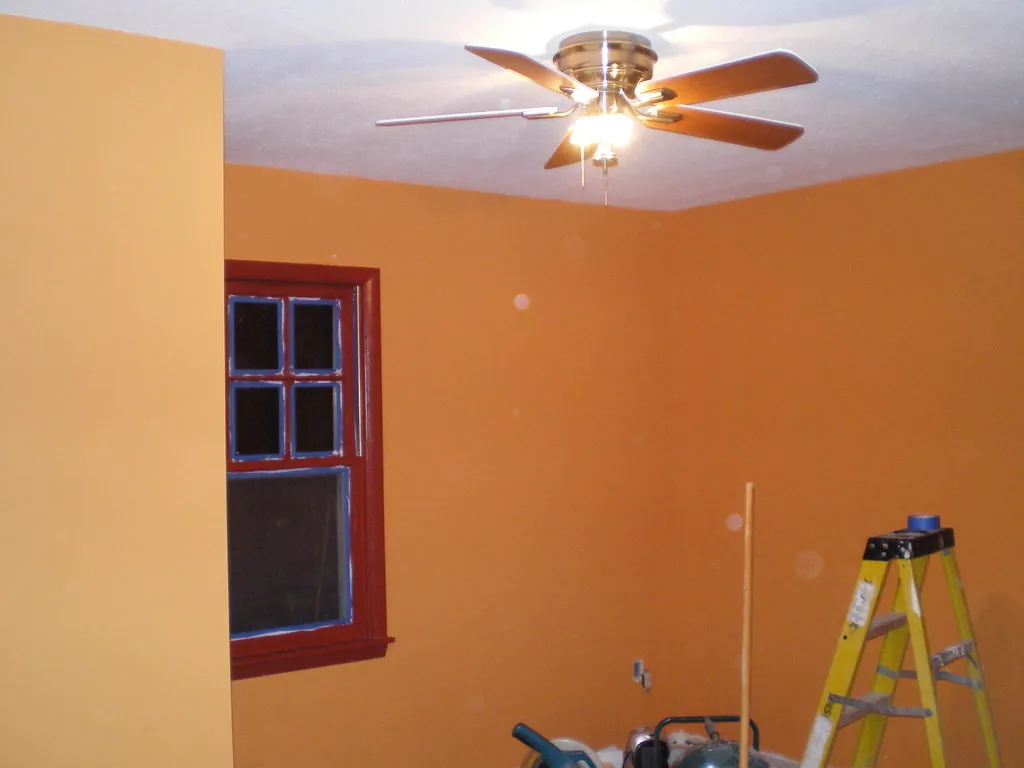
BLDC. A brushless motor with electronics inside; draws 28 to 35 W at full speed against 70 to 80 W for an ordinary fan, runs cooler, is quieter, and comes with a remote. Costs ₹2,800 to ₹4,500. Fitting is ₹550 because the receiver is wired in.
Ordinary. The induction motor everyone grew up with: cheap at ₹1,200 to ₹2,200, tolerant of bad supply, repairable with a ₹100 capacitor for a decade. Fitting is ₹450.
Choose BLDC for the bedrooms and the living room, where the fan runs ten hours a day; the power saving pays the premium back in about two years and the remote is worth having at 2 am. Choose ordinary for a guest room, a store, a passage, anywhere the fan runs two hours a day, and anywhere with very rough supply where the BLDC's electronics will suffer.
LED panel, batten, or downlight
Panel. A flat square or round that sits on or in the ceiling and lights a pool below it; neat, 12 to 18 W, ₹250 to ₹600. Fitting is ₹300.
Batten. The tube light's successor: a long bar that lights evenly along its length, 18 to 22 W, ₹250 to ₹450. Fitting is ₹250.
Downlight. A recessed spot in a false ceiling, 5 to 9 W each, several per room; the designer's choice and the one that needs the false ceiling first.
Choose battens for the kitchen and any work surface, where you want even light along a counter, and for the staircase. Choose panels for bedrooms and passages with plain ceilings. Choose downlights only with a false ceiling and a plan; six downlights at ₹300 each plus a cove of LED strip at ₹120 per metre is a living room, not a tube light. Whatever you choose, keep one colour temperature per room: 3000 K warm for living and bedrooms, 4000 K for the kitchen and study.
Inverter, UPS, or generator
Inverter. A box and a battery that take over a few chosen circuits, lights and fans and the router, for a few hours when the supply fails. A home unit is ₹6,000 to ₹10,000 plus a ₹12,000 to ₹18,000 tubular battery; installation is ₹1,100, or ₹2,200 for a 2 to 3 kVA whole-house unit. The changeover takes half a second, which is fine for a fan and not for a computer.
UPS. The same idea with an instant changeover, so a computer never notices. Smaller battery, shorter run. Buy a UPS for the desk and an inverter for the house; a single device that tries to be both is a compromise at both jobs.
Generator. For cuts of many hours, the only answer, and a noisy, fuelled, serviced one. Needs an automatic changeover so it and the inverter never fight, at ₹3,500.
Choose an inverter for almost every urban home. Add a UPS if someone works from home. Add a generator only in places where the cuts are measured in hours and the inverter would run flat; most of India's cities are not that place any more.
Modular switches or the old piano switches
Modular. Individual switches and sockets clipped into a plate from one series, replaceable one at a time, in 6A and 16A, with dimmers, USB sockets and smart modules available in the same plate. A new board is ₹900; upgrading an old board to modular is ₹700.
Piano. The old tumbler switches on a bakelite board; cheap, and every replacement means hunting for a matching one.
Choose modular for any house you intend to live in for more than a year. The upgrade is one of the cheaper ways to make an old flat look newer, and it is the moment to put the 16A sockets where the heavy appliances are. If you are tempted by smart switches, fit one or two at ₹300 each in the rooms that matter and see whether you use them, before doing the house.
Stabiliser or no stabiliser
For the AC. Read the label. An inverter AC that states an input range of 130 to 290 V has its own protection and gains nothing from a stabiliser. An older fixed-speed AC, or any AC in a town with evening voltage below 180 V, needs a 4 kVA unit with a time delay, fitted for ₹400.
For the fridge. Modern fridges with inverter compressors do not need one. Older fridges in low-voltage areas do; ₹350 fits one.
For the whole house. A mains stabiliser at the board, fitted for ₹800, is for towns where the supply swings badly all evening and every appliance suffers. In a city with steady supply it is money for nothing.
Rooftop solar now, or later
Now, if you own the roof, it faces anywhere but north, you are home in the daytime or run ACs, and your bill is above ₹2,500 a month. A 3 kW on-grid system pays back in four to six years with the subsidy, and the panels last twenty-five. The solar installer handles panels and inverter; the electrical connection at the board with the net meter is ₹4,500.
Later, if you rent, if the roof is shaded by the building next door, or if the bill is small. Solar is a twenty-five-year decision on a roof you control, and it does not suit a flat you will leave in three.
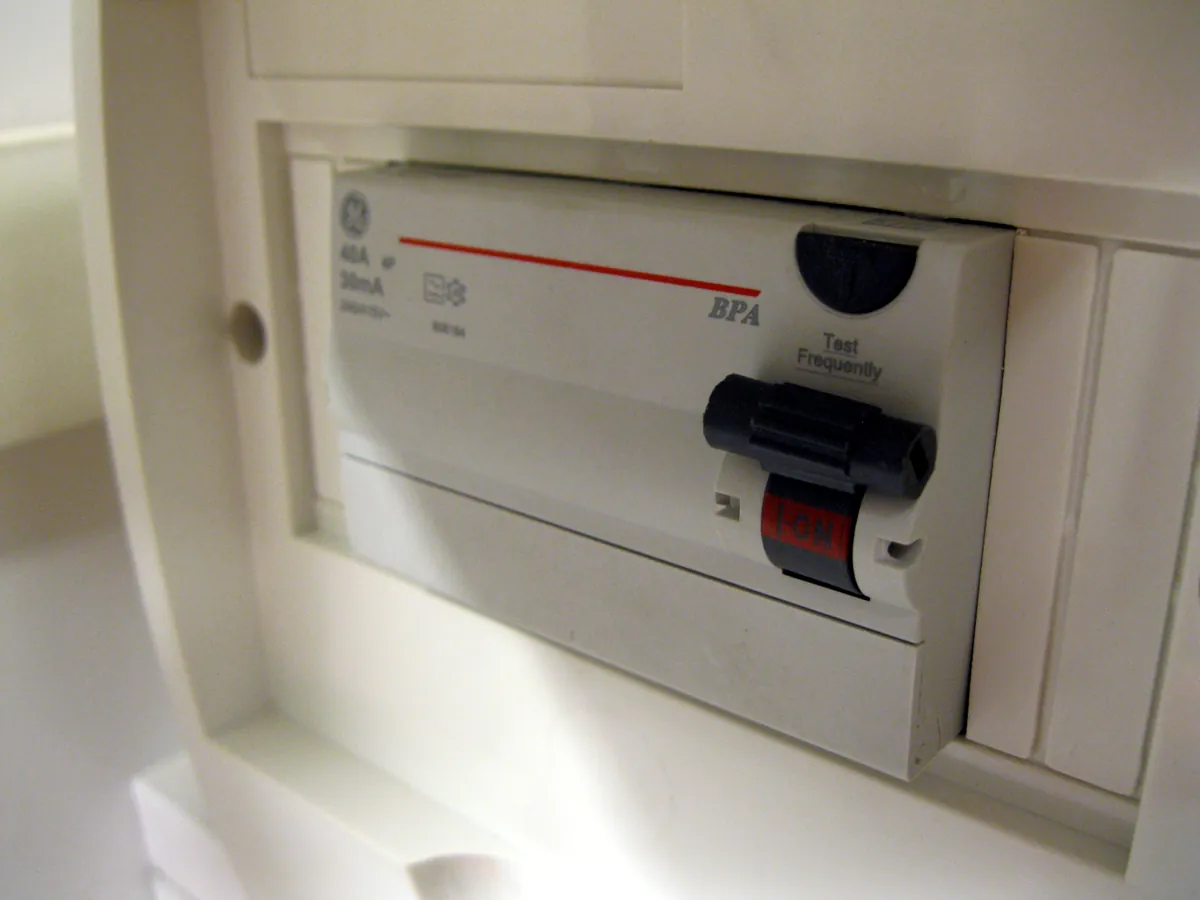
Not instead of the basics. Solar on a house with no RCCB and no earthing is the wrong order. Do the ₹1,200 RCCB and the earth first; the solar installer will insist on them anyway.
The pattern behind all six
Each choice has a cheap option that is right for low use and a better option that is right for high use, and the shop will not ask which you are. Count the hours. A fan that runs all night, a light over the counter, a line to an AC that runs all summer: spend there. A guest room, a store, a socket used twice a year: do not. And in every case, the point the appliance plugs into matters more than the appliance; a BLDC fan on a bad regulator and an AC on a shared line are both wasted money.