Short, practical, and learned the hard way. Each one is something a technician on TheHire has told a customer more than once. Save this; most of it costs nothing.
The AC
- Clean the filters every two weeks in season. Slide out, rinse, dry in the shade, slide back. A clogged filter starves the coil, freezes it, and turns a free job into a ₹400 diagnosis.
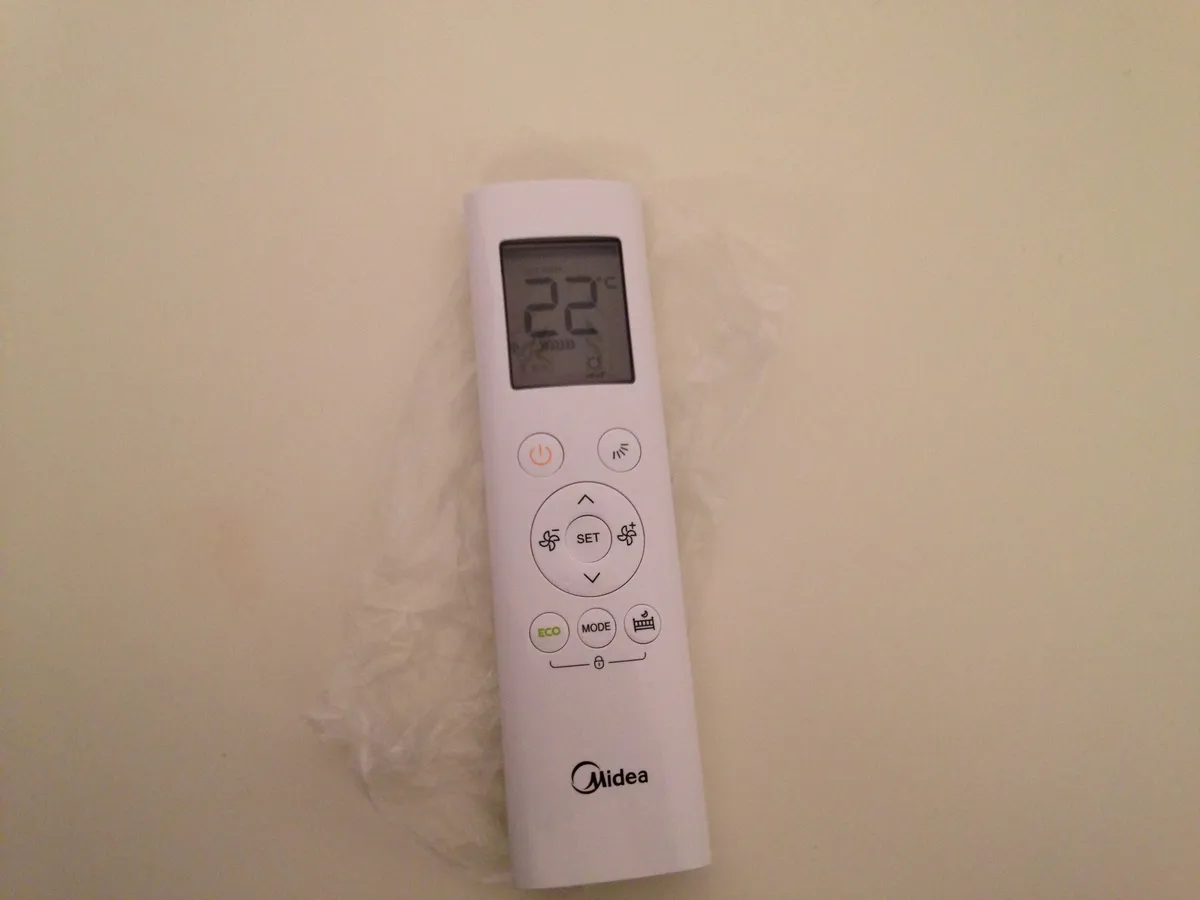
- Set 24 degrees. Setting 18 does not cool the room any faster; the compressor runs at the same speed either way. It only runs longer and costs more. The BEE recommends 24 and most people are comfortable there.
- Run fan-only or dry mode for ten minutes before switching off. It dries the evaporator, which is what stops the musty smell and the mould. The worst cases need a ₹800 foam service.
- Ice on the thick copper pipe means switch off. Let it thaw completely, clean the filters, try again. If it ices with clean filters, it is gas or a blower, and that is the technician's.
- Give the outdoor unit air. Not boxed in, not facing a wall a foot away, nothing stored against it. A unit that cannot breathe trips at 3 pm in May.
- Do not cover the outdoor unit in winter. It is built for rain. A tight cover traps damp and invites rats, and a chewed wiring harness is worse than any weather.
- Run the AC for fifteen minutes once a month in the off-season. It keeps the compressor's oil moving and the seals wet.
- If it needs gas two summers running, nobody found the leak. A sealed system does not use gas up. ₹2,500 includes the leak check; ask where the leak was and to see the joint.
Money
- Service in February, not May. The same work costs the same-day premium in the peak and the technician is three days away. A pre-summer check is ₹350; a full wet service ₹500.
- Do every unit in one visit. Two splits and a window unit in one call is one ₹300 visit charge, usually waived, and technicians on TheHire discount from the fourth item.
- Clean the coils before buying gas. Half the "low gas" calls in the Indian summer are a dirty condenser. The ₹500 wet service is the cheaper first step.
- Ask for two numbers on every bill: the gas pressure and the compressor's running current. They are the only objective record of your machine's health, and a technician who writes them down is a technician who measured them.
- Check the compressor warranty before agreeing to replace one. Many carry a long manufacturer's warranty. ₹2,500 is the labour; the part may be free.
- Past eight years, price a new unit against a big repair. If the repair is more than about a third of a new AC, and especially on an old R22 machine, replacing is the better money.
- Keep the old part. The capacitor, the board, the motor. A technician who will not hand it over is a technician who may not have replaced it.
- An AMC earns its keep from three units up. ₹2,500 per AC per year for two services and priority in May; ₹3,500 for the fridge and washing machine. For one unit, pay per call.
The monsoon
- Dry mode beats a low temperature in humidity. It pulls moisture out and uses less power than cool mode set to 18.
- Switch the AC off at the MCB during a thunderstorm. Surges kill PCBs, and a board is ₹1,800 to repair plus the brand's price to replace.
- Check the drain drips before July. Run the unit on a humid morning and look outside. Nothing coming out is a blocked drain and next month's water down the wall; ₹500 to clear it.
- A smell at start-up is mould on the coil, not the filter. Fan-only before switching off prevents it; a foam service at ₹800 clears it.
The other machines
- Test the fridge gasket with a sheet of paper. Close the door on it; if it pulls out freely, the gasket is gone and the compressor has been running continuously. Cheap to replace, expensive to ignore.
- Clean the washing machine's drain filter. Bottom front on a front-loader, designed to open by hand. It is the first thing a technician checks on a ₹800 call, and you can check it for free.
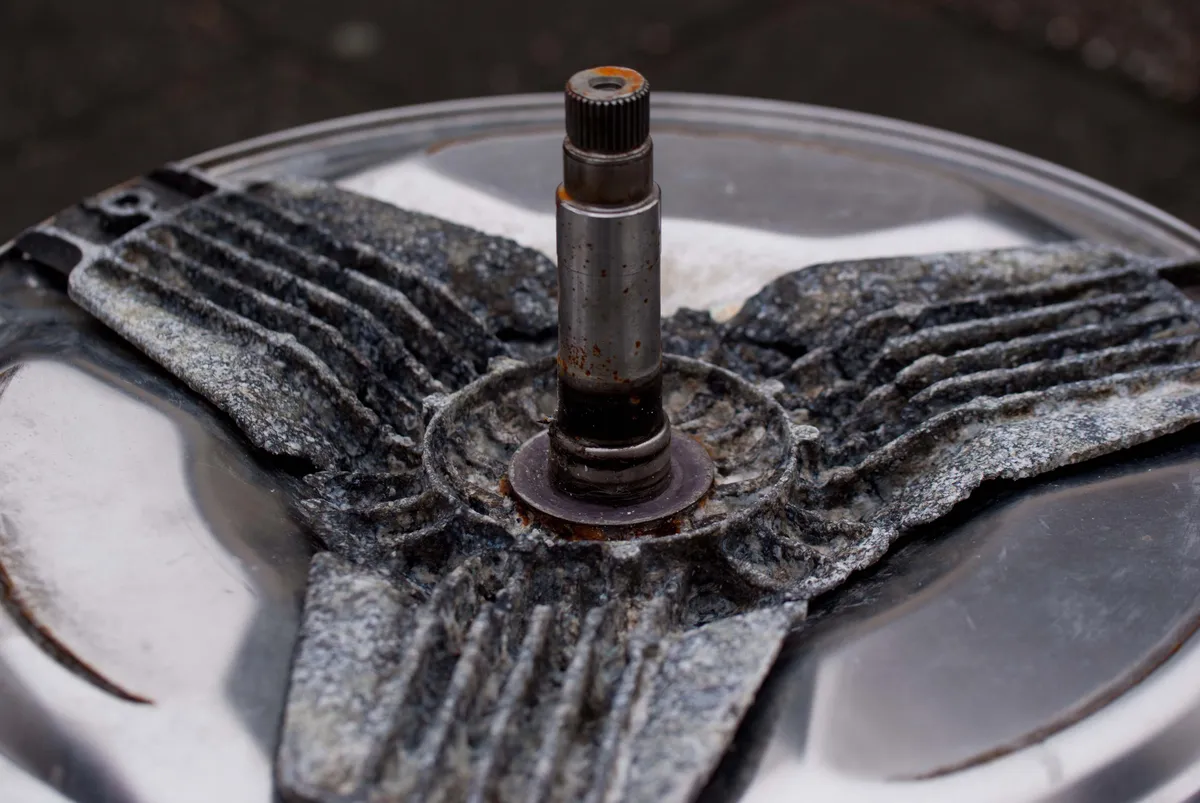
- A bang on spin is a bearing, and it gets worse. ₹1,800 now, or the same job plus a corroded drum spider later.
- Wash the chimney baffles every month or two. A saturated filter makes the motor labour and the kitchen smoke; a service is ₹600 and a dead motor is ₹900.
Four for people who own the house
- Give every AC its own 20A point and MCB, with 4 sq mm wire and earthing. This is the electrician's job, it comes before the installation, and it is a safety matter rather than a comfort one.
- Check the nameplate before buying a stabiliser. Many inverter ACs state a wide voltage range and need none. Have the electrician measure the evening voltage before spending.
- Insist on the vacuum pump at installation. Ten to fifteen minutes with a pump on the lines before the valves open. Without it, air and moisture stay in the system for the compressor's short life.
- Buy and install in December. A new AC, an installation at ₹1,500 or a shift at ₹2,200 is easy to book in winter and nearly impossible in May.
Related tips you might want next
The 20A point, the earthing, the stabiliser and the summer load on the board are the electrician's trade. Running the ACs on rooftop solar, and sizing a system against their running current, is the solar installer's. The guides for those two trades pick up where these tips stop.