Short, practical, and learned the hard way. Each one is something a carpenter on TheHire has told a customer more than once. Save this; most of it costs nothing.
Materials
- BWP plywood wherever water can reach. IS 710, under every sink, beside the hob, in bathrooms, at the base of every unit and against external walls. MR ply belongs in dry rooms only.
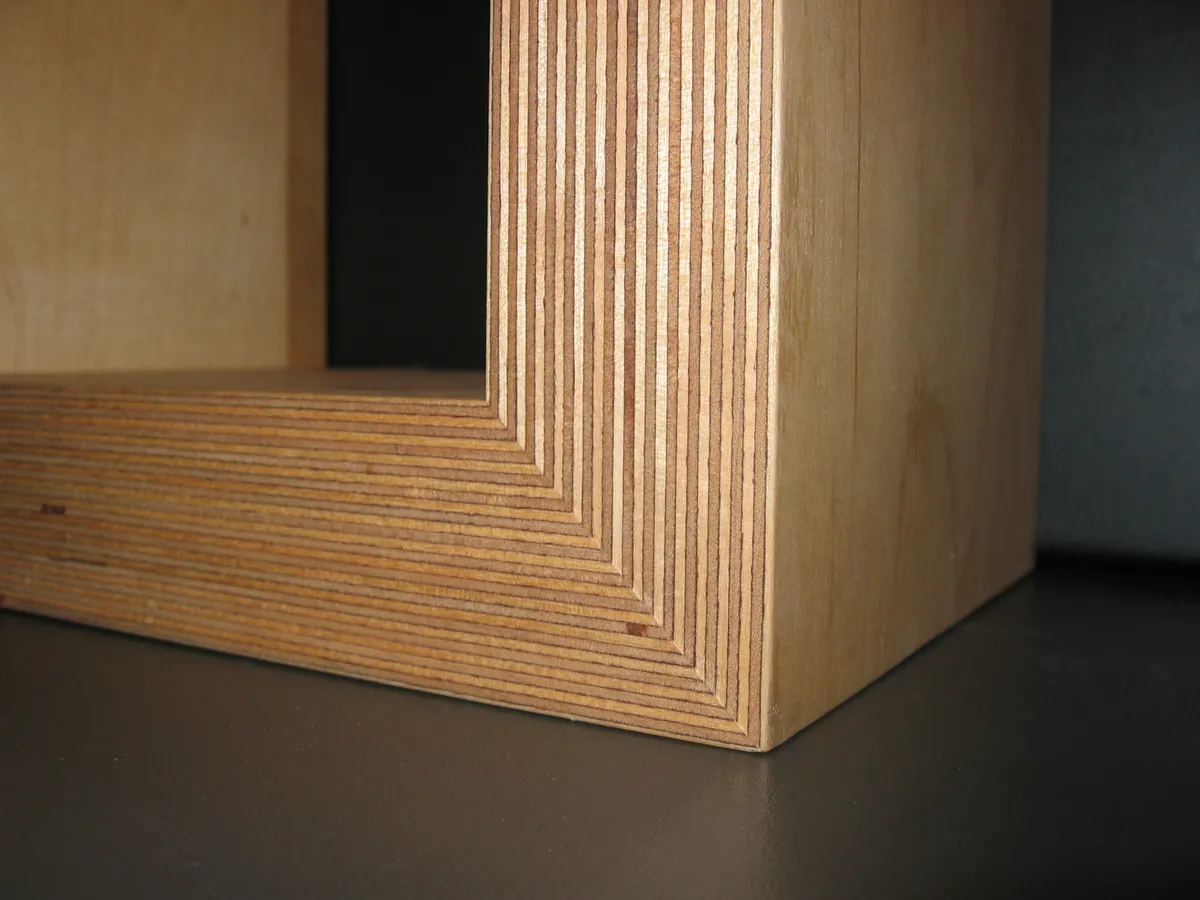
- Look for the BIS mark stamped on the sheet, not a printed sticker. Then look at the cut edge: even plies, tight, no gaps and no soft filler.
- Never MDF or particle board in a carcass, and never either of them near water. MDF is for painted shutters in a dry room, where it gives a better finish than plywood.
- Laminate 0.8 mm or thicker on shutters. Thinner is tomorrow's bubble. Matt or textured in a family kitchen; high gloss shows every fingerprint within a month.
- Ask for edge banding on every cut edge, including the internal ones. Open a finished cabinet and look at the back edges of the shelves; that one glance is the whole quality argument.
- Soft-close hinges and telescopic or tandem channels. Roller channels drop a loaded drawer within a couple of years. ₹350 per drawer plus ₹150–₹800 for the upgrade.
- Stainless or fibreglass mesh near the coast, with stainless fittings. Ordinary steel rusts through in a season or two. A mesh door is ₹900 plus ₹1,200–₹4,000.
- WPC or BWP for bathroom doors. Solid wood and ordinary plywood both swell at the bottom where the water lives.
Money
- Group the small jobs. Four shutters, two drawers and a lock in one visit costs far less than four visits. One ₹300 visit charge, usually waived, and carpenters on TheHire discount from the fourth item.
- For a day of mixed small work, ask for the day rate. ₹900 on site is often cheaper than itemising a dozen jobs, and the carpenter will finish things you had not noticed.
- Know what "per square foot" measures. The front elevation: width times height of the finished face in feet. A 6 ft by 7 ft wardrobe is 42 sq ft. Multiply the rate yourself before agreeing to any quote.
- Ask whether the rate includes material. The ₹450 wardrobe rate includes it in the range; a ₹6,000 TV unit is labour with material on top. This single question prevents most disputes.
- Buy the boards yourself on a large job. You see the brand, the grade and the BIS mark. Give the carpenter the cutting list and go to the shop together the first time.
- Upgrade hardware before replacing furniture. New soft-close hinges at ₹300 a piece and new channels make a sound ten-year-old kitchen feel new for a fraction of a rebuild.
- Repair the carcass or replace it, but do not finish a failing one. Money spent on shutters and laminate over a wet, soft base is money spent twice.
- Keep the material bills. Brand, grade and thickness, which is what a warranty claim and a matching repair both need.
Daily care
- Learn the three hinge screws. A European concealed hinge adjusts side to side, in and out, and up and down. A quarter turn fixes most shutters that do not sit flush, and it costs nothing.
- Never put a matchstick in a spinning screw hole. It lasts two weeks and makes the proper repair harder. The fix is a glued dowel, re-drilled, at ₹300 per piece.
- Vacuum sliding tracks, do not oil them. Oil holds dust and makes the jumping worse. Dry silicone if anything.
- Tighten bed frame bolts once a year. Ten minutes, and it is most of what a ₹800 bed repair call turns out to be.
- Keep mop water off shutter bottoms. The bottom edge of a kitchen shutter is where carcasses begin to die.
- Do not overload a long shelf. A 19 mm plywood shelf over about 3 ft, loaded with books, will bow permanently. A batten under the front edge prevents it.
- Anchor every tall unit to the wall. It is the one item here that is a safety matter rather than a longevity one.
- Lubricate locks with graphite or PTFE, never oil. Oil gums with dust and the lock gets stiffer every year.
The monsoon
- Plane a sticking door in the monsoon, not the dry season, and take the minimum. A door planed in February has a gap in July. Seal the planed edge afterwards.
- Adjust shutters at peak humidity so the adjustment is right at the extreme and merely generous the rest of the year.
- Leave an air gap behind units on external walls. No air movement plus a damp wall equals mould on the back panel.
- Look for mud tubes when the first rains come. Swarming season is when termites announce themselves. Treatment is the pest control service's job and must come before any new woodwork; replacing eaten panels is ₹120 per sq ft.
- Book polish and laminate work for October. Finishes cure badly in high humidity; a polish job in August often stays tacky. ₹45 per sq ft for melamine or PU.
- Book the annual kitchen visit after the rains. Every shutter aligned at ₹200, worn channels replaced, hinge screws tested, wet-zone bases checked. A kitchen that gets this once a year feels five years newer than one that does not.

Related tips you might want next
A full factory kitchen, its counter, sink cut-out and appliances, is the modular kitchen supplier's trade; the carpenter installs it at ₹150 per sq ft. Co-ordinating finishes across rooms, false ceilings and lighting inside wardrobes is the interior designer's. Curtain tracks, blinds and pelmets sit alongside the carpentry and are their own trade. The guides for those three pick up where these tips stop.