Short, practical, and mostly free. Each one is something a nurse or attendant on TheHire has told a family more than once. The costs quoted are the typical city figures from the rate card.
The bed and the skin
- Turn every two hours, day and night, and write the time on the chart. This is the tip. A sore that starts on Tuesday is an admission by Sunday.
- Look at the skin at every turn. Tailbone, hips, heels, shoulder blades, elbows, back of the head. Redness that does not fade in a few minutes with the pressure off is the warning, and at that stage it is still reversible.
- Air mattress from day one for anyone who cannot turn themselves. ₹1,500 a month on rent, and it makes two-hourly turning enough rather than replacing it.
- Smooth the sheet. A wrinkle under a hip is a pressure point. Change wet sheets at once; wet skin breaks down far faster than dry.
- Heels off the bed. A pillow under the calves so the heels float. Heels are the spot families forget and nurses check first.
- Moisturise after every bath, especially heels and shins in winter. Cracked skin over a bony point becomes a sore.
- Sit the patient up for meals and for half an hour after, propped at 30 to 45 degrees. It is what prevents the winter chest infection.
Medicines and the chart
- One chart, by the bed, from the discharge summary. Nobody but the doctor changes it, and when the doctor does, it is rewritten the same day and the old strips are removed.
- One person fills the pill organiser weekly. The attendant gives from the organiser and ticks each dose. This removes the "which white tablet" problem entirely.
- Tick every dose, initial it. A missed tick at the shift change is a question you ask at 7 pm, not a mystery next week.
- Know your five dangerous medicines: blood thinners, insulin, heart and blood pressure tablets, seizure medicines. A missed or doubled dose of any of these is a call to the doctor the same day.
- Vitals before the dose where the doctor said so. Sugar before insulin, blood pressure before the BP tablet, and the numbers at which to hold and call written on the care plan.
- Nothing goes in that is not on the chart. Not a tonic, not a neighbour's tablet, not an old strip from the cupboard.
- Write the two lists on the care plan: call the doctor, and ambulance. Chest pain, breathlessness at rest, a face droop or one-sided weakness, a seizure, a fall with pain, bleeding that will not stop, new confusion. Nobody at home overrides the second list.
The room and daily safety
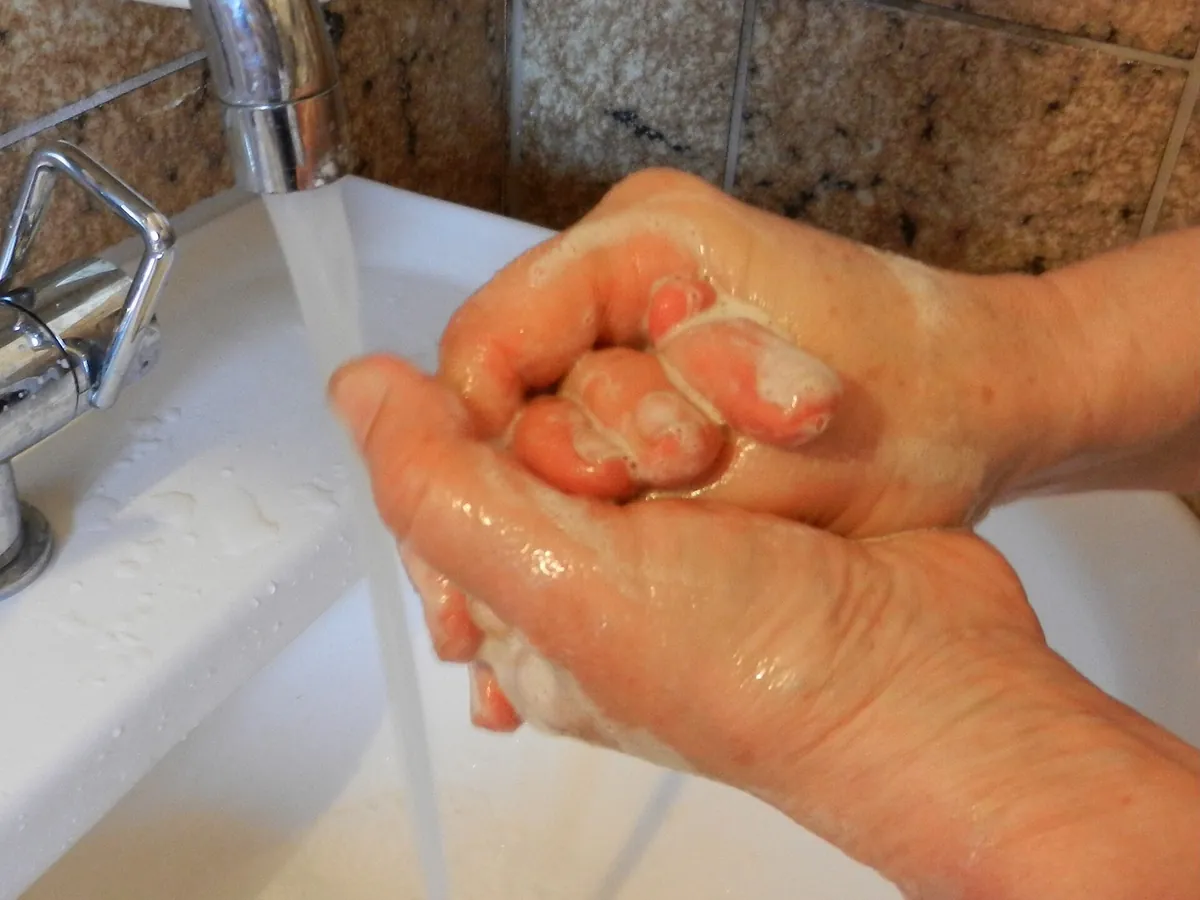
- Hands washed at the door and at every contact. The one habit that prevents most infections, and the first thing to watch on a new attendant's first shift.
- The catheter bag stays below the bladder and never on the floor. Changed on schedule by a nurse at ₹700 a visit, not when it blocks.
- Grab rail, non-slip mat, shower stool, commode by the bed at night. Most falls happen between the bed and the bathroom.
- Sit on the edge of the bed for a minute before standing. Especially on blood pressure medicines, and the attendant stands on the weak side.
- A night light, and the commode within reach. A patient who gets up confused at night needs someone awake, which is two 12-hour shifts at ₹1,100 each, not a 24-hour attendant who sleeps.
- Mosquito net over the bed in the monsoon, and anyone with a cough stays out of the room.
- Keep the folder by the bed: discharge summary, medicine chart, doctor's number, hospital of choice, and the care plan. When something happens at 2 am, nobody is looking for papers.
Looking after the family doing the caring
- Arrange the weekly-off cover on day one, not on the first Sunday. A family member, or a relief attendant at ₹1,100 a day. An attendant without a real day off leaves within months.
- Read the chart every evening, in five minutes. It is the whole supervision job, and it is what makes an attendant careful.
- Ask the doctor at every visit what can be stepped down. Nurse at ₹42,000 a month to attendant at ₹26,000 plus a nurse visit at ₹500; two shifts to one; attendant to physio only. Most families pay for a level the patient outgrew weeks ago.
- Pay on the date, and pay the festival bonus before the festival. Half to one month. The attendant who stays two years is the one who never had to ask.
Four more for recovery
- Physiotherapy as a package, not as single sessions. ₹500 per session in a pack of ten against ₹600 for one, and recovery lives in the repetitions. Post-stroke rehab at ₹800 a session, and the first months are where the recovery is won.
- Do the exercises on the days the physio does not come. The attendant can supervise what the physio taught; ask the physio to write them on one sheet.
- Weigh the patient weekly. Quiet weight loss is the first sign of a problem nobody has named yet.
- Food is treatment. Protein and fluids are what skin and wounds heal with. The doctor's diet goes on the cook's copy of the care plan; the cook guides cover the kitchen side.
Related guides you might want next
Three trades meet around a patient at home: the attendant or nurse, the cook who follows the diet chart, and the housekeeping that keeps the sheets and the room right. Where they overlap, the care plan by the bed is where the overlaps get written down. The fitness and yoga guides cover the long tail, the months after the formal rehab ends, when getting strong again is the whole job.