There is no single right way to arrange care at home, and the families who cope best are the ones who chose deliberately with the doctor rather than drifting into whatever was suggested at discharge. Six decisions, with the trade-offs.
1. The level: attendant, nurse, or ICU-trained
This is the decision everything else follows from, and it belongs to the doctor, not to the family's budget.
An attendant at ₹1,100 for 12 hours or ₹26,000 a month: handling, hygiene, feeding, turning, the chart, company. Right for a stable patient whose needs are care, not treatment.
A GNM or ANM nurse at ₹1,800 a day or ₹42,000 a month: injections, IV, catheter and tube care, dressings, vitals, medicines on the chart, and the judgement to call the doctor. Right for the first weeks after a serious discharge, and for any patient with tubes or wounds that need daily skilled attention.
An ICU-trained nurse at ₹2,500 a day: tracheostomy and suction, oxygen management, a ventilator at home, drains. Right for a short period after an ICU discharge, not as a standing arrangement.
The cheaper hybrid most families end up at: an attendant on shift, plus a nurse visit at ₹500 on the days a procedure is due, plus physiotherapy at ₹600 a session. It is the right answer more often than either extreme.
2. Home, hospital, or a care home
Home is cheaper, familiar and better for mood and for most recoveries. It needs a room, equipment, a reliable person and a family member who reads the chart. It does not suit a patient who is unstable, who needs monitoring, or who needs more lifting than the household can arrange.
Hospital is for the unstable: oxygen that keeps dropping, a fever nobody can explain, surgery, a stroke in progress, anything on the ambulance list in the essentials guide. Nothing bought for the home replaces a doctor in the building.
A care home or assisted living suits a patient with no family nearby, dementia that has outgrown one carer, or a household that cannot be adapted. It costs more than home care in most cities and less than a hospital, and the trade is the familiarity of home against trained people around the clock.
The practical rule: home for care, hospital for treatment, a care home when the household itself is the limiting factor.
3. The shift pattern
| Pattern | Cost | Right for |
|---|---|---|
| 8 hours | ₹750 a day | Daytime help; a patient safe at night |
| Companion, 8 hours | ₹700 a day | An elderly parent who needs company and supervision, not care |
| 12 hours | ₹1,100 a day, ₹26,000 a month | The standard; days or nights |
| Two 12-hour shifts | two rates | Someone awake around the clock |
| 24 hours, stays and sleeps | ₹1,500 a day | Help through the night, but not constant |
| Live-in | ₹30,000 a month, or ₹28,000 for elderly care | A long-term arrangement with food and a room |
The mistake families make is buying a 24-hour attendant for a patient who needs two shifts. One person cannot be awake for 24 hours; if the nights are genuinely busy, it is two people and two rates, and everyone sleeps.
The second mistake is forgetting the weekly off. Six days needs a seventh person, every week, forever.
4. A full-time person or visits
A full-time attendant or nurse when the patient cannot be left: bedridden, confused, at risk of falling, or needing feeding and turning.
Visits only when the family does the care and needs skill for twenty minutes: an injection at ₹350, a dressing at ₹400, a catheter or tube change at ₹700, a blood sample at ₹200, a vitals check at ₹250, or a nurse visit at ₹500.
Physiotherapy is always a visit, and almost always better as a package: ₹500 per session in a pack of ten against ₹600 for one. Recovery after a fracture, a knee replacement or a stroke happens in the repetitions, and a package is what makes the repetitions happen. Post-stroke rehab is ₹800 a session, and the first months are where the recovery is won.
The honest version for most families: a full-time person for the first weeks, stepping down to visits plus a family carer as the patient improves. Review it with the doctor every fortnight.
5. Rent or buy the equipment
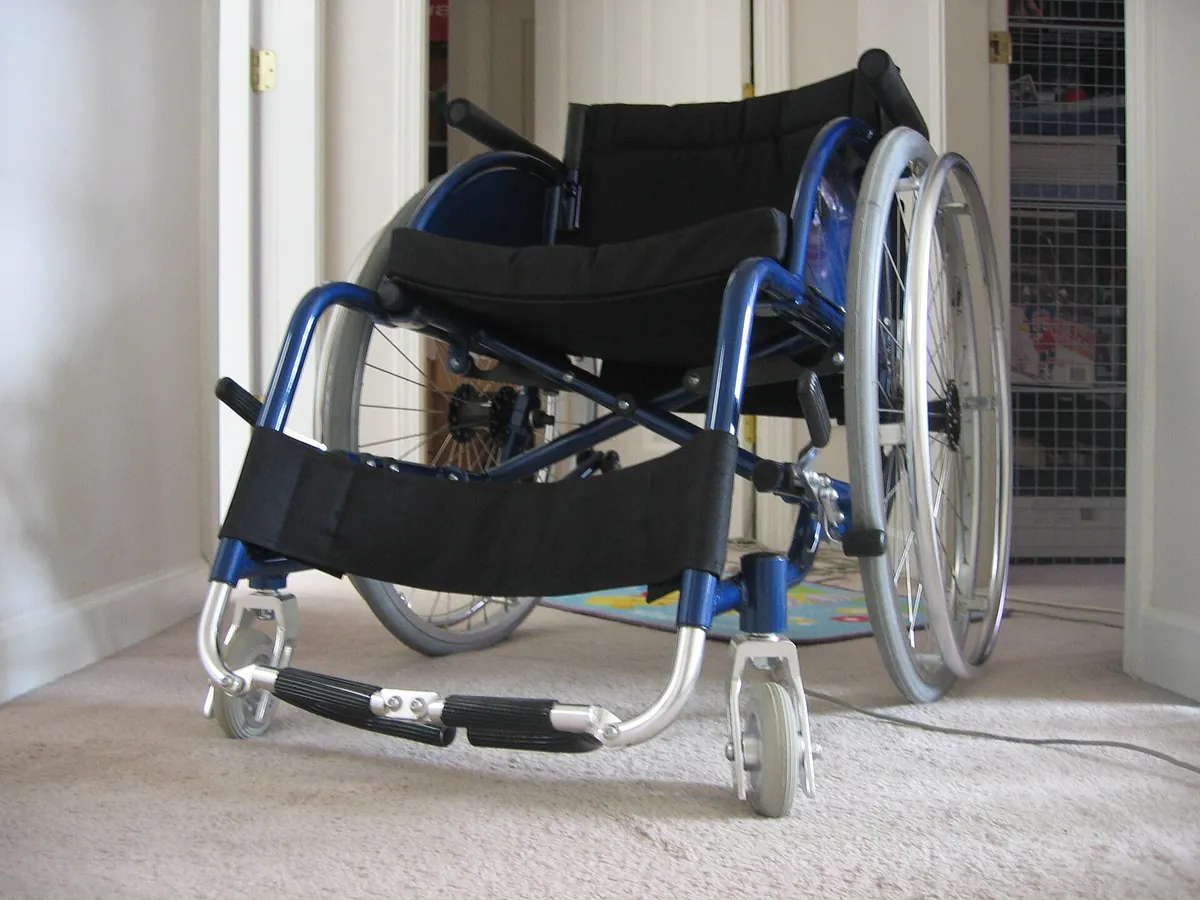
Rent for anything uncertain or under six months. A hospital bed at ₹3,500 a month, an air mattress at ₹1,500, a wheelchair at ₹1,200, an oxygen concentrator at ₹4,500. The rental company delivers, sets up, services and takes back; ask who answers at 2 am if a concentrator stops.
Buy the small things always: walker, commode chair, shower stool, grab rails, BP monitor, thermometer, glucometer, pulse oximeter. And buy the big things only once the need has proved long-term and you know which features actually get used.
Never skip the air mattress for an immobile patient, whatever the arrangement. At ₹1,500 a month it is the cheapest thing in home care and it prevents the most expensive complication.
6. Agency or direct
Direct, through TheHire. Post the level and the shift; ID- and phone-verified attendants and nurses call back; you see the certificates, run a paid first shift, and agree the month. No margin, the person's own rate, public reviews, and a direct relationship with the person at your parent's bedside.
An agency. A margin on the rate or a placement fee, and in return cover for the weekly off and for illness, a replacement if it does not work, and a supervisor to call. Worth it for round-the-clock care, where you would otherwise be running two rosters and finding cover yourself, and for ICU-level care.
If you go through an agency, ask two questions before paying: does the nurse receive the full rate, and what exactly does the replacement clause promise. If you go direct, arrange the weekly-off cover yourself on day one rather than discovering it on the first Sunday.
Three arrangements that are usually a mistake
- One person for cooking and care. The patient is unwatched while the dal is on. Hire both, or a cook from the cook guides plus an attendant.
- An attendant for a patient with tubes and wounds. The nurse visit at ₹500 exists precisely so this does not happen.
- A nurse at ₹42,000 a month for a stable patient who needs turning and feeding. That is ₹26,000 work, and the difference over a year is enormous.
The rule: let the doctor set the level, let the patient's nights set the shift pattern, rent until the need proves permanent, and review the whole arrangement every fortnight with the chart in hand.
The cost guide has the full rate card; the how-it-works guide covers shifts, handovers and the step-down ladder in detail.