Most of what goes wrong for a patient at home is not the illness. It is a bed sore nobody saw starting, a fall in the bathroom, a dose given twice, an infection from unwashed hands, or a symptom that was watched for a night when it needed a hospital. Here are the five things that actually matter, how to check each, and what it costs when they are missing.
1. Bed sores: turning, the mattress, and looking at the skin
A pressure sore starts as redness over a bony point and becomes an open wound in days if the pressure stays. It is the commonest reason a home patient goes back to hospital, and it is almost entirely preventable.
Turning every two hours, day and night, for any patient who cannot shift themselves. Back, left side, right side, in rotation, with pillows to hold the position. The turns go on the chart.
An air mattress on rent at ₹1,500 a month, from the first day. It alternates pressure under the body and makes two-hourly turning enough. A patient on an ordinary mattress needs turning more often and still gets sores.
Look at the skin at every change. Tailbone, hips, heels, shoulder blades, elbows, the back of the head. Redness that does not fade in a few minutes when the pressure is off is the warning. At that stage, pressure off that spot entirely and the doctor told. Broken skin is a nurse's dressing at ₹400 a visit and a doctor's review.
Keep the skin dry and clean. Wet from sweat, urine or stool breaks skin faster than pressure alone. Barrier cream, prompt diaper changes, a sheet without wrinkles.
Feed the patient. Protein and fluids are what skin heals with. A patient who is not eating is a patient who will get a sore.
2. Falls: the bathroom, the night, and getting up too fast
Falls are the second-commonest readmission, and the one that most often ends an elderly person's independence.
The bathroom. A grab rail by the toilet, a non-slip mat, a shower chair or stool, and a commode chair by the bed at night if the walk is unsafe. Most falls at home happen between the bed and the bathroom.
Getting up. Sit on the edge of the bed for a minute before standing, especially on blood pressure medicines. The attendant stands on the weak side. A walker if the doctor or physio says so.
The floor. No loose rugs, no wires across the path, no wet patches. Footwear with a grip, not loose slippers.
The night. A night light, the commode within reach, and an attendant who hears. A 24-hour attendant at ₹1,500 sleeps but is in the room; for a patient who gets up confused at night, someone awake.
After a fall. Do not lift straight away. Check for pain, especially in the hip, and for a knock to the head. A fall with pain, or any head knock on a blood thinner, is a hospital, not a wait-and-see.
3. The medicine chart: one chart, one person, every dose ticked
Medicine errors at home are the quietest danger, and they come from the system, not from carelessness.
- One chart by the bed, from the discharge summary, with every medicine, dose, time and route. Nobody but the doctor changes it; when the doctor does, it is rewritten the same day.
- One person per shift gives, from a weekly pill organiser filled by one family member from the chart. Every dose ticked and initialled. The family does not top up "just in case".
- The dangerous ones. Blood thinners, insulin, heart and blood pressure medicines, seizure medicines, strong painkillers. A missed or doubled dose of any of these is a call to the doctor the same day, not a note for next week.
- Nothing that is not on the chart. Not a tonic the attendant suggests, not a tablet from the neighbour, not an old strip from the cupboard.
- Vitals before the dose where the doctor said so. Blood pressure before the BP tablet, sugar before insulin. The numbers at which to hold the dose and call are on the care plan.
A nurse on shift at ₹1,800 a day does this as part of the job. An attendant does it from the organiser and the chart, and that is enough if the chart is right.
4. Infection: hands, tubes and wounds
The patient at home is vulnerable, and most infections arrive on hands.
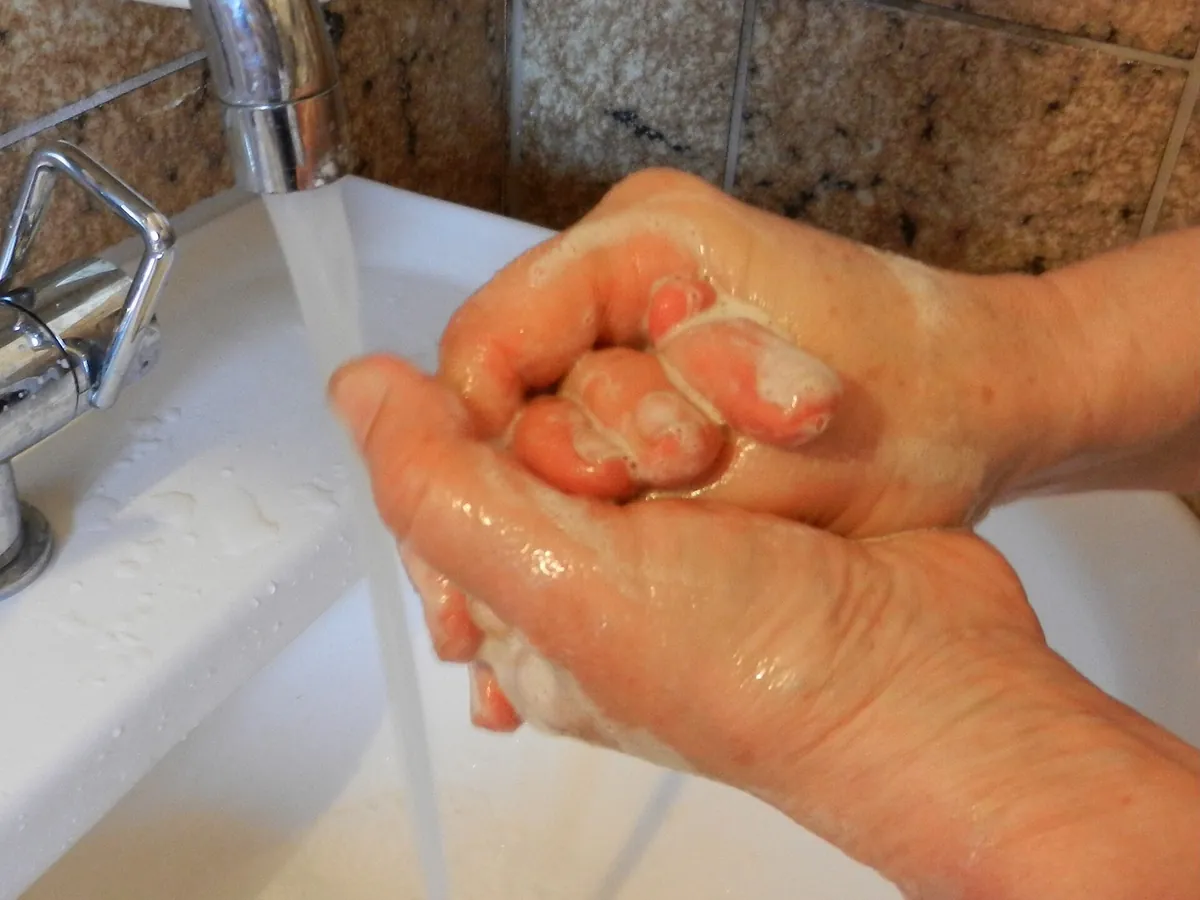
Hand washing, soap and water or sanitiser, at the door, before and after every contact with the patient, before food, after the toilet, after gloves come off. A nurse or attendant who does this without being told is the one to keep.
Gloves for anything involving body fluids, and off and hands washed afterwards.
Catheters and tubes. The bag below the bladder, never on the floor, never lifted above the patient; the stand that comes with it. The catheter changed on schedule by a nurse at ₹700 a visit, not left because "it is working". Fever, cloudy or smelly urine, or pain is an infection and a call.
Wounds. Dressed on the doctor's schedule by a nurse at ₹400 a visit, with the materials the doctor listed. Redness spreading, discharge, a bad smell or fever is a call the same day.
Visitors. Anyone with a cold or a cough stays away. A patient after surgery or on chemotherapy is not a reason for the extended family to visit.
The room. Clean, dry, aired. Sheets changed and washed; the commode and bedpan cleaned after each use. The housekeeping guide covers the household side.
5. When hospital is non-negotiable
The care plan from the doctor should have two lists: call the doctor, and ambulance. The second list is not a judgement call for anyone at home, and the family should agree in advance that nobody overrides it, including the patient.
Ambulance, not a call:
- Chest pain or pressure, or pain down the arm or into the jaw.
- Breathlessness at rest, or oxygen saturation below the number on the plan.
- A face droop, weakness or numbness on one side, slurred speech, or sudden confusion: a stroke, where every hour matters.
- A seizure in someone who does not have them, or one that does not stop.
- A fall with pain, inability to stand, or a head knock, especially on blood thinners.
- Bleeding that does not stop with pressure, or vomiting or passing blood.
- A high fever with shaking, or a fever in a patient on chemotherapy.
- A blocked catheter with pain and no urine.
- Not waking, or waking and not making sense.
Call the doctor the same day, not next week: a new redness on the skin, a missed or doubled dose of a dangerous medicine, a fever, vomiting more than once, no urine for many hours, a wound that looks worse, sugar or blood pressure outside the numbers on the plan, new pain, a change in confusion or sleepiness.
Having an ICU-trained nurse at ₹2,500 a day in the house does not change this list. Home care is for care; the hospital is for the things on it.
One rule that covers all five: the care plan by the bed says how often to turn, what the floor and the bathroom need, which chart the medicines come from, when hands are washed, and which symptoms mean the ambulance. Read it with every new attendant on their first shift, and read the chart every evening.
The two situations where "matters most" becomes "stop now"
An attendant doing a nurse's job. Changing a catheter, giving an injection, adjusting a medicine. Say it, that day; if it happens again, the arrangement ends. The nurse visit at ₹500 exists so that this never needs to happen.
A symptom on the ambulance list being watched. By anyone, for any reason, including "let us see in the morning". The family's job is to make the call. Everything else, an attendant who is slow with the chart, a nurse who is brisk, a physio whose exercises hurt, is a conversation and a week.
Every nurse and attendant on TheHire is ID and phone verified and reviewed after each job, and those reviews are where the next family reads about hand washing and the chart.