A patient attendant for a 12-hour shift should not cost what a GNM nurse does, and a nurse's visit for an injection should not be quoted as a day's work. Home nursing has levels, and the price follows the level. Here is what each costs in a typical Indian city, what you get at each, and what moves the number.
The short answer
An attendant, the person who does the lifting, the feeding and the hygiene, is ₹750 for 8 hours, ₹1,100 for 12, ₹1,500 for 24 hours with stay, or ₹26,000 a month on 12-hour shifts. A qualified nurse is ₹500 for a visit of up to an hour, ₹1,800 for a 12-hour shift, ₹42,000 a month. There is no visit charge; what you pay for is the shift or the visit.
| Care | Typical charge | Priced per |
|---|---|---|
| Attendant, 8-hour shift | ₹750 | day |
| Attendant, 12-hour shift | ₹1,100 | day |
| Attendant, 24 hours, stays | ₹1,500 | day |
| Attendant, monthly 12-hour | ₹26,000 | month |
| Live-in attendant | ₹30,000 | month |
| Nurse visit, up to 1 hour | ₹500 | visit |
| GNM nurse, 12-hour shift | ₹1,800 | day |
| GNM nurse, monthly 12-hour | ₹42,000 | month |
| ICU-trained nurse, 12-hour | ₹2,500 | day |
| Elderly companion, 8 hours | ₹700 | day |
| Elderly care, live-in | ₹28,000 | month |
| Dementia or Alzheimer's trained care | ₹34,000 | month |
| Physiotherapy session at home | ₹600 | session |
| Physio package, 10 sessions | ₹500 | session |
| Post-stroke rehab session | ₹800 | session |
| Injection or IV at home | ₹350 | visit |
| Wound dressing | ₹400 | visit |
| Catheter or Ryles tube change | ₹700 | visit |
| Blood sample collection | ₹200 | visit |
| Vitals check visit | ₹250 | visit |
| Hospital bed, rent | ₹3,500 | month |
| Wheelchair, rent | ₹1,200 | month |
| Oxygen concentrator, rent | ₹4,500 | month |
| Air mattress for bed sores, rent | ₹1,500 | month |
Metro cities such as Mumbai, Delhi and Bengaluru run about 30 percent higher. Care needed from tomorrow costs about 20 percent more for the first stretch. These are the figures the TheHire cost estimator uses, so the number you read here is the number it will quote.
The three levels, and what each can do
Most disputes about home nursing come from hiring the wrong level: an attendant asked to manage a catheter, or a nurse paid to do what an attendant does.
An attendant is trained in patient handling and hygiene: bathing, bed baths, toilet and diapers, feeding, turning every two hours, moving from bed to chair, keeping a chart of what was eaten and passed, and company. Not a nurse. Cannot give injections, manage tubes or dress a wound beyond a plaster, and should not be asked to.
A GNM or ANM nurse holds a nursing qualification: injections and IV, catheter and Ryles tube care and changes, wound dressings, reading and recording vitals, giving medicines on a chart, recognising when something is wrong and calling the doctor. A nurse on a 12-hour shift at ₹1,800 will also do what an attendant does; a nurse on a visit at ₹500 does the procedure and leaves.
An ICU-trained nurse at ₹2,500 for 12 hours has worked in intensive care: tracheostomy care, suction, oxygen management, a patient on a ventilator at home, a post-surgery patient with drains. This is the level for the first weeks after a serious hospital discharge, not for a stable elderly parent.
The eight situations most families find themselves in
1. An elderly parent who needs company and help, ₹700 a day
Mobile, mostly independent, but not safe alone: a companion for 8 hours at ₹700 for walks, meals, medicines on time and someone in the house. Live-in elderly care at ₹28,000 a month when nights are the worry.
2. A bedridden patient, ₹26,000 a month
Turning every two hours, bed baths, diapers, feeding, the chart. A 12-hour attendant monthly at ₹26,000, or two shifts for round-the-clock care. Add a hospital bed at ₹3,500 and an air mattress at ₹1,500 a month; the mattress is what prevents the bed sore that becomes the next hospital admission.
3. Home from hospital after surgery, ₹1,800 a day for the first week
A nurse on shift for the first days: the wound, the drains, the medicines, the vitals, and the judgement to call the doctor. Then step down to an attendant with a nurse visit at ₹500 for dressings and checks.
4. A stroke, ₹800 a session plus an attendant
Post-stroke rehab sessions at ₹800, a physiotherapist at home, with an attendant for the day. Recovery is in the first months, and the physio is where the money matters most.
5. Dementia, ₹34,000 a month
Trained dementia care is a different skill: routines, redirection rather than argument, safety at night, wandering. ₹34,000 a month for someone trained in it, against ₹28,000 for ordinary live-in elderly care. The difference is worth it from the first week.
6. Procedures only, ₹350 to ₹700 a visit
An injection or IV at ₹350, a dressing at ₹400, a catheter or Ryles tube change at ₹700, a blood sample at ₹200, a vitals visit at ₹250. A nurse comes, does it, charts it, leaves. The right arrangement when the family does the care and needs the skill for twenty minutes.
7. Physiotherapy, ₹600 a session
A session at home is ₹600; a package of ten is ₹500 per session. For a knee, a back, a fracture or a fall, the package is the right unit; one session shows the exercises and the next nine make them happen.
8. Oxygen at home, ₹4,500 a month
A concentrator on rent at ₹4,500 a month, with a pulse oximeter, for a patient the doctor has put on home oxygen. This is a prescription, not a precaution, and an ICU-trained nurse at ₹2,500 for the first days is usual.
One rule that saves money: hire the level the doctor says, review it weekly, and step down as soon as you can. A nurse on shift for a patient who needs an attendant is the most common overspend in home care; an attendant for a patient who needs a nurse is the most common emergency.
What changes the price
The level, first. Attendant, nurse, ICU-trained. Everything else is small beside this.
The shift. 8, 12 or 24 hours, and whether the person stays. Round-the-clock awake care is two 12-hour shifts, which is two people and two rates; a 24-hour attendant at ₹1,500 sleeps.
The duration. A day is ₹1,100 for a 12-hour attendant; a month of them is ₹26,000, which is noticeably less per day. Anything beyond two weeks should be a month.
The patient. A heavy patient, a patient with a tracheostomy, dementia with wandering, or two patients in the house: say it when you post, so the right person replies and the rate is honest from the start.
Equipment. The bed, the mattress, the wheelchair at ₹1,200 and the concentrator are rented monthly and separate from the person.
Five signs of a professional
- They ask for the discharge summary and the medicine chart before they say a rate.
- They can say what they are not allowed to do. An attendant who says "I cannot change the catheter, you need a nurse visit" is the right attendant.
- They wash hands at the door and before and after every contact with the patient, without being told.
- They keep a chart: vitals, intake, output, turns, medicines given, and they show it to the family every evening.
- They have a certificate for the level they claim, GNM, ANM or an attendant's training, and are happy for you to photograph it. Every nurse and attendant on TheHire is ID and phone verified, and reviews after each job are public.
What to keep ready before they arrive
- The discharge summary, the medicine chart and the doctor's number, in one folder by the bed.
- The bed at the right height, a chair, a bedside table and a bin.
- Gloves, sanitiser, wipes, diapers if needed, and the dressing materials the doctor listed.
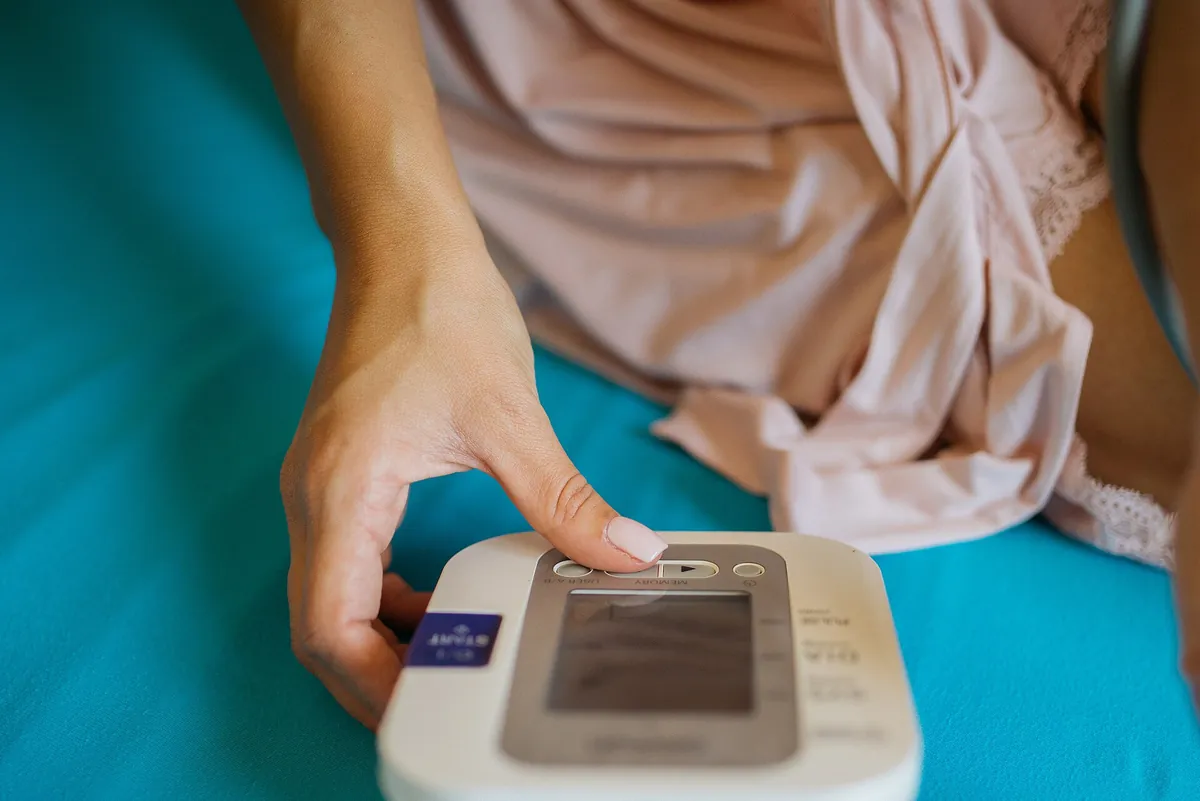
- The thermometer, a BP monitor and a glucometer if the patient is diabetic; a pulse oximeter if there is any breathing trouble.
- A notebook for the chart, and the family's one phone number for calls.