Every family with a patient at home has had three or four of these. Some are a conversation with the attendant. Some are a call to the doctor the same day. One or two end the arrangement. Knowing which is which is most of the job. Here they are, roughly in the order they come up.
1. A red patch over the hip, tailbone or heel
What is behind it. Pressure. Turning that slipped from every two hours to every four, a mattress without pressure relief, wet skin, or a patient who is not eating enough to keep skin healthy.
What to do. Pressure off that spot entirely, today. An air mattress at ₹1,500 a month if there is not one. Turns on the chart with times. The doctor told. If the skin is broken, a nurse's dressing at ₹400 a visit and a doctor's review; do not treat it with a home ointment.
Conversation, doctor or ending. Doctor, same day. And a conversation with the attendant about the chart.
2. A fall, or a near fall, at night
What is behind it. The walk to the bathroom, getting up too fast on blood pressure medicines, confusion at night, a loose rug, or an attendant asleep when the patient needed to be heard.
What to do. After a fall: do not lift at once; check for hip pain and a head knock; hospital for pain, inability to stand, or any head knock on a blood thinner. Then fix the cause: commode by the bed, night light, grab rail, a walker, and if the patient gets up confused, someone awake at night, which is two 12-hour shifts at ₹1,100 each and not a 24-hour attendant who sleeps.
Conversation, doctor or ending. Hospital for the fall if there is pain. Conversation about the night arrangement.
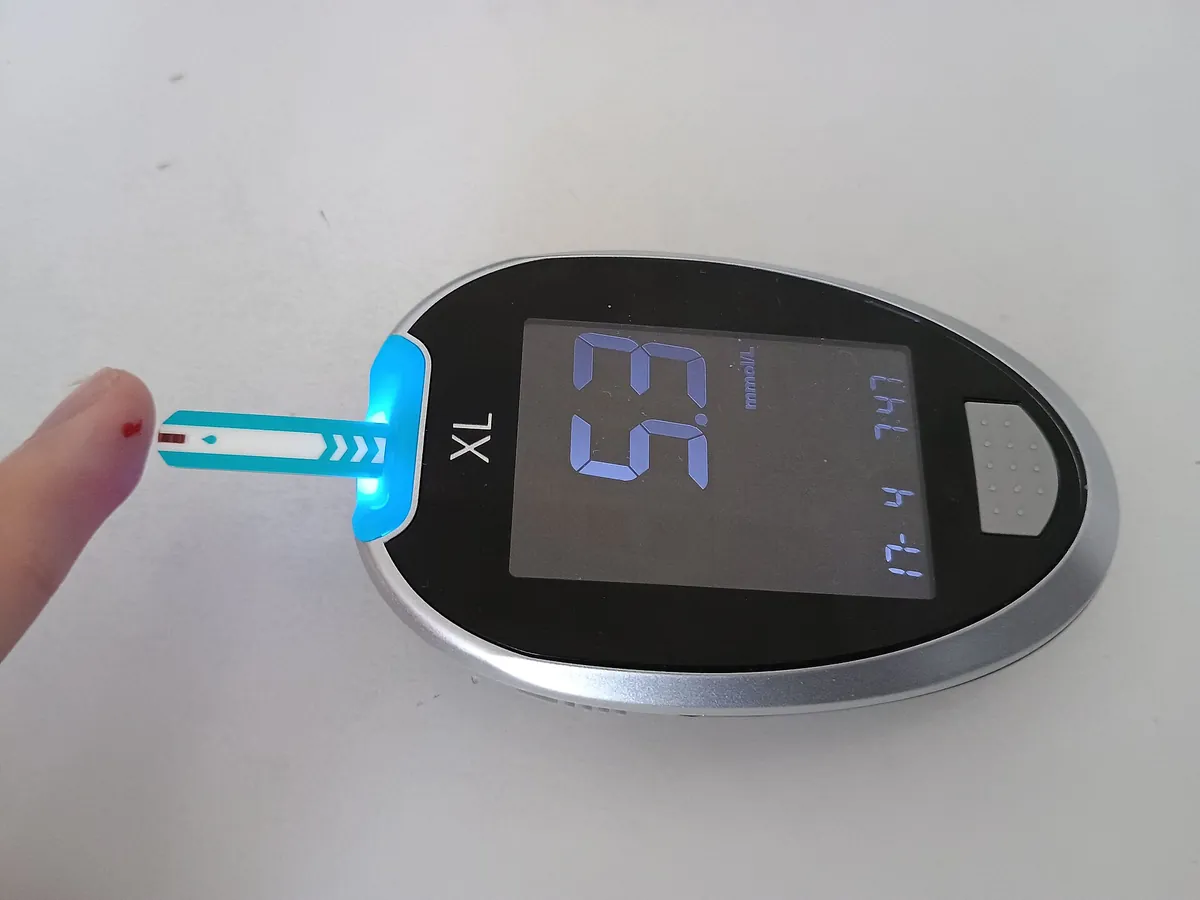
3. A dose missed, or given twice
What is behind it. Two charts, or none; a shift change in the doorway without the chart; the family topping up; a strip the doctor stopped still in the box.
What to do. For blood thinners, insulin, heart, blood pressure and seizure medicines, call the doctor the same day and say exactly what happened. For the system: one chart, one pill organiser filled weekly by one person, every dose ticked, old strips removed the day the doctor changes anything.
Conversation, doctor or ending. Doctor for the dangerous medicines. Conversation, once, about the chart; a second error in the month after the system is fixed is the end.
4. The attendant did not turn up, and nobody told you
What is behind it. An emergency, once. More often another job that clashed, or an attendant who has decided to leave and is drifting.
What to do. Today: a family member, and a post for a day's cover at ₹1,100. The rule, restated: a day with a message the previous evening is leave; a day without a message is deducted and is the first warning. Second time in a month, end it. Through an agency, this is what the replacement clause was for.
Conversation, doctor or ending. One conversation. Then ending.
5. Fever, cloudy urine, a wound that smells
What is behind it. Infection: a catheter past its change date or a bag on the floor, a wound dressed late, hands not washed, a chest infection from lying flat.
What to do. The doctor, the same day. Catheter changed by a nurse at ₹700 a visit on the schedule, not when it blocks. Dressing on the doctor's days at ₹400. Hand washing at the door and at every contact. A high fever with shaking, or any fever in a patient on chemotherapy, is a hospital.
Conversation, doctor or ending. Doctor. And if the cause was hands or a bag on the floor, a conversation that does not need to happen twice.
6. The patient is not eating, or is losing weight
What is behind it. Pain, nausea from a medicine, a sore mouth, constipation, depression after a stroke or a diagnosis, dementia, or food that is wrong for the patient: hard to chew, too much at once, at the wrong time.
What to do. The doctor told; several of the causes are a medicine change. Small meals, often. The diet the doctor set, on the cook's copy of the care plan; a special-diet cook who follows a chart is the cook guide's territory. A weighing scale, weekly. Thickened fluids if the doctor has said swallowing is unsafe; never forced.
Conversation, doctor or ending. Doctor. Not the attendant's fault, usually.
7. The attendant is doing a nurse's job
What is behind it. A family that asked, because the nurse visit seemed expensive, or an attendant who said yes to be helpful.
What to do. Stop it the day you see it. Injections, tube and catheter changes, and wound care beyond a plaster are a nurse's work: a visit at ₹500, an injection at ₹350, a catheter change at ₹700. The attendant who says "I cannot do that, you need the nurse" is the one to keep.
Conversation, doctor or ending. Conversation, once, with the family as much as the attendant. Twice, ending.
8. The patient and the attendant do not get on
What is behind it. A patient who resents needing help and takes it out on the person giving it; an attendant who is brisk or talks over the patient; language; a man who wants a male attendant, or a woman who wants a woman, and nobody asked.
What to do. Ask the patient, alone, what the problem is. Some of it is the illness. Some of it is a mismatch you can fix by posting again with the language, gender and manner written in the request. For dementia, a trained carer at ₹34,000 a month, who does not argue and redirects instead, changes the whole house.
Conversation, doctor or ending. Conversation first. If it is a real mismatch, a change, with the week paid and no blame.
9. The nurse is costing a nurse's rate for an attendant's work
What is behind it. The level was set at discharge for the first week and nobody stepped it down.
What to do. Ask the doctor at every visit what can be stepped down. A GNM nurse on shift at ₹42,000 a month to an attendant at ₹26,000 plus a nurse visit at ₹500 on the days a procedure is due, when the only nursing need is scheduled. The how-it-works guide covers the step-down ladder.
Conversation, doctor or ending. Doctor, then a change in the arrangement, with notice to the nurse.
10. Something on the ambulance list being watched
What is behind it. Hope, tiredness, the cost of a hospital, or a patient who refuses. Chest pain, breathlessness at rest, a face droop or one-sided weakness, a seizure, a fall with pain, bleeding that does not stop, new confusion, saturation below the number on the plan.
What to do. The ambulance. The care plan's second list is not a judgement call for anyone at home, and the family agrees in advance that nobody overrides it. An ICU-trained nurse at ₹2,500 a day in the house does not change the list.
Conversation, doctor or ending. Hospital. The conversation is afterwards, and it is with the family.
What cover and replacement cost
| Situation | Cost |
|---|---|
| A day's cover for an absent attendant | ₹1,100 for a 12-hour shift |
| A night awake, added to a 24-hour attendant who sleeps | a second shift at ₹1,100 |
| A nurse visit for a procedure the attendant cannot do | ₹500, with the procedure priced on the card |
| An air mattress that should have been there on day one | ₹1,500 a month |
| A replacement attendant | a day at the shift rate while you look, and a paid first shift as a trial |
The rule: redness, fever, a missed dose of a dangerous medicine, not eating: doctor the same day. Anything on the ambulance list: ambulance. An absence without word, a nurse's job done by an attendant, a dose error after the chart was fixed: one conversation, then the end.
Every nurse and attendant on TheHire is ID and phone verified and reviewed after each job; the review is where the next family reads whether the chart was kept.