Most garden decisions come down to a handful of either-or questions, and the nursery will push whichever has the better margin that week. Here are the six that matter in an Indian home garden, with the trade-offs laid out plainly and the gardener's costs beside them.
Pots and grow bags, or beds in the ground
Pots and grow bags. Movable, so a plant can follow the sun across the year or come under cover in May. Soil you control, which matters where the ground is black cotton or builder's rubble. The only choice on a terrace or balcony. The cost is attention: a 10 inch pot dries in a day in April, feeds for three months, and is root-bound in two years. Setup on a terrace is ₹70 per sq ft in labour and ₹40–₹120 per sq ft in bags, pots and mix; re-potting is ₹60 a pot every two years.
Beds. Roots go deep, water lasts days, earthworms do the feeding, and a bed left alone for a week in summer is still alive. Plants grow bigger and fruit more. The cost is that they are fixed, the soil is what it is, and a bed in the wrong light stays in the wrong light. A kitchen garden in beds is ₹45 per sq ft in labour with about ₹20–₹60 per sq ft in compost and seedlings.
Pick beds wherever you have ground and sun: vegetables, fruit trees, hedges, the big flowering shrubs. Pick pots for the terrace, for anything that must move, and for plants that want a soil the ground does not give, adenium, blueberries, succulents. Most house gardens end up with both: beds along the sunny wall, pots on the paving.
Lawn, or something else
Lawn. Nothing else gives children and dogs a place to run, and nothing else makes a small garden look larger. The cost is the highest of anything in the garden: mowing every 10 to 15 days at ₹1 per sq ft, water every day in summer, full sun, and a repair at ₹12 per sq ft wherever people walk the same path. A new lawn is ₹25 per sq ft in labour and ₹12–₹30 per sq ft in turf. For sun and traffic, Bermuda or Selection 1; for a small shaded ornamental patch, Mexican or Korean carpet grass.
Ground cover. Wedelia, ornamental peanut, mondo grass in shade, portulaca in sun. Planted once, never mowed, watered weekly, and it fills in a season. You cannot sit on it, and it looks like a planting rather than a carpet.
Paving with pots. Stone or tile at ₹60 per sq ft in labour plus ₹50–₹200 per sq ft in material, with pots and a bench. No water, no mowing, and a place to sit from day one.
Pick lawn if someone will use it and it gets six hours of sun. Pick ground cover for the strip beside the drive and the patch under the tree. Pick paving for a plot under 200 sq ft or a garden nobody plays in.
Drip irrigation, or the hose and the can
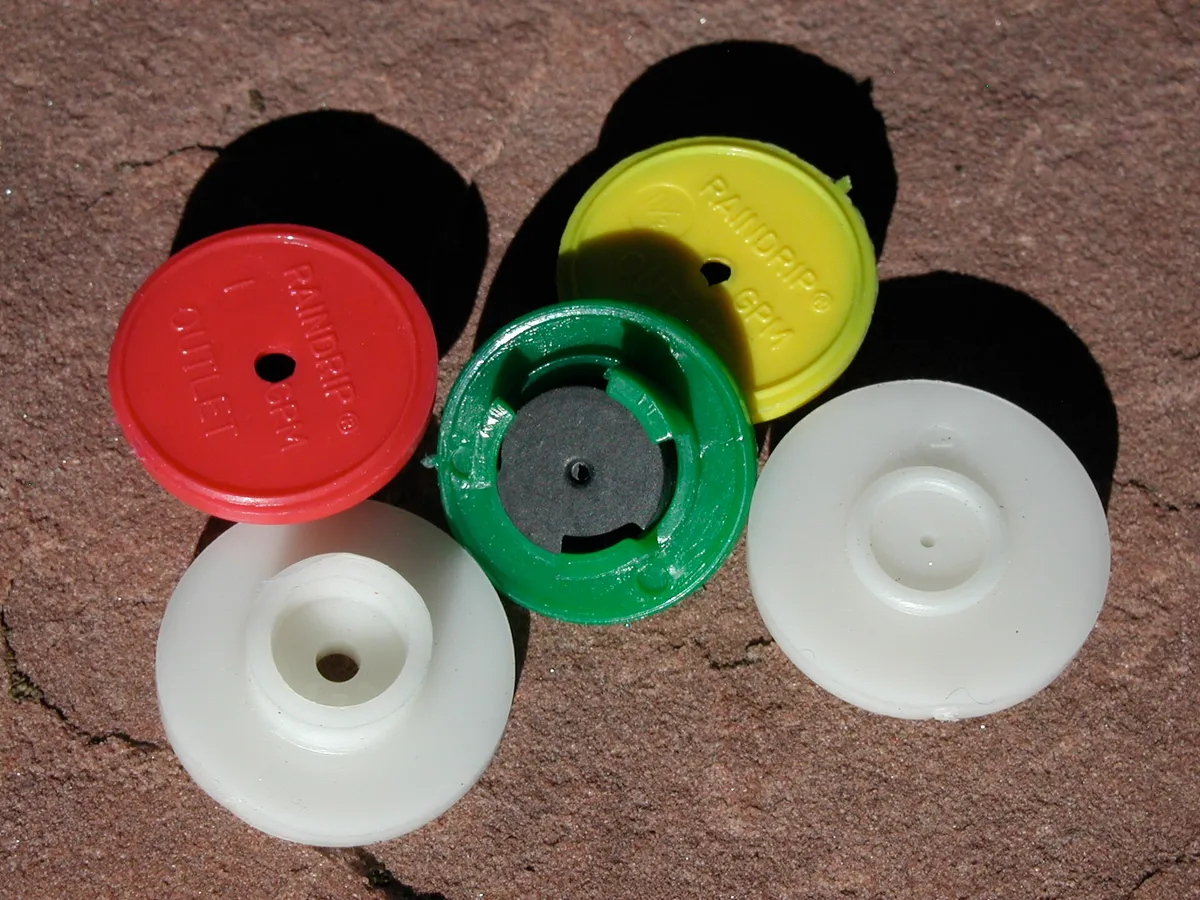
Drip. A dripper per pot, run on a timer for twenty to forty minutes in the morning. The water goes to the roots, the leaves stay dry, every pot gets its share, and the garden survives the week you travel in May. ₹20 per sq ft in labour, ₹10–₹25 per sq ft in pipe and fittings, ₹800 to ₹2,500 for a timer. The cost is pressure on a terrace, where an overhead tank one floor up gives too little and a low-pressure kit or a small booster pump is needed, and a filter that must be cleaned monthly or the drippers block.
Hand watering. Free, and you look at every plant every day, which is how pests and yellow leaves get caught early. The cost is that it depends on a person being home at 7 am every day of April, and on that person knowing the finger test rather than the schedule.
Pick drip for any terrace with more than twenty pots, any house where nobody is home mornings, and any garden on a monthly plan, because four visits a month are four waterings and April needs twenty. Pick the hose for a garden of beds with a mulch, where a deep soak twice a week is enough, and for anyone who enjoys the morning round. Many gardens do both: drip on the terrace pots, hose on the beds.
Seeds, or seedlings and grown plants
Seeds. Cheap, a hundred plants for ₹30, and the only way for the things that hate transplanting: beans, coriander, methi, radish, carrot, palak, cucumber, gourds. The cost is time, a month to the size a nursery sells, and the risk of damping off in a crowded wet tray.
Seedlings. ₹10 to ₹40 each, a month ahead, and already past the stage where most seeds die. Right for tomato, chilli, brinjal, capsicum, cabbage, cauliflower, and every winter annual. Buy short, stocky and dark; tall and pale is starved of light.
Grown plants. A 3 ft shrub for ₹150 to ₹600 or a grafted fruit tree for ₹300 to ₹1,200 gives a garden in a weekend and fruit in two years instead of seven. Planting is ₹350 a tree. Check the graft union has healed clean.
Pick seeds for the sow-direct crops and when you want many. Pick seedlings for the fruiting vegetables and the winter flowers. Pick grown plants for the structure of the garden, the trees and hedges, where a year's head start matters most.
Organic, or chemical
Organic. Compost and vermicompost feed the soil, neem oil and soap handle most pests, copper handles most fungus. The soil gets better every year, earthworms arrive, and what you eat carries nothing you would not want. The cost is a slower first year and more attention: neem has to be repeated, and a bad outbreak cannot be stopped in a day.
Chemical. A water-soluble feed gives a hungry plant a visible boost in a week; a systemic insecticide stops a mealybug plague across thirty pots in one spray. The cost is to the soil, which gets nothing from a salt feed, to the bees, and to the vegetables you planned to eat.
Pick organic as the default for everything, and without exception for vegetables and herbs. Pick a chemical as the once-a-year exception for an ornamental plant you are about to lose, applied by a gardener who knows the dose and the waiting time, as part of a ₹600 spray visit. A gardener who reaches for the chemical first has one tool; one who refuses it when a plant is dying has a rule, not a judgement.
A visiting gardener, or one on payroll
Visiting. ₹400 or ₹900 a visit, ₹1,500 a month for four or ₹5,000 for eight. You pay only for what you need, there is no employee to manage, and a good one brings a wider view from the other gardens they keep. The cost is that nobody is there on the other twenty-six days, so watering is yours or the drip line's.
Payroll. ₹5,000 a month for two hours daily, ₹13,000 full time. Someone is in the garden every morning: watering by the finger test, sweeping, catching the first mealybug. The cost is managing a person, a weekly day off, a bonus, a notice period, and tools you must provide.
Pick visiting for every flat, terrace and small house garden; it is most of urban India. Pick payroll at about eight visits a month and above: a villa with a lawn and beds, a farmhouse, a society garden. A day at ₹550 covers the heavy one-offs either way.
The pattern behind all six
Each choice is the same trade: the option that needs less from you every day costs more to set up, and the option that is cheap to start costs attention for years. Beds, drip, grown plants, a payroll gardener and compost are the set-and-maintain choices; pots, the hose, seeds, visits and chemical feed are the cheap-to-start ones. A garden that works is usually the first set where the owner is busy and the second set where the owner enjoys the work. Decide which you are before the nursery decides for you.