Most gardens that fail in Indian cities fail for one of the same five reasons, and none of them is about green fingers. This is what each one is, why it matters, how to tell in five minutes whether your garden has it, and what putting it right costs.
1. Drainage that works
What it is. Every pot has holes and stands on feet or a saucer that is emptied. Every bed has a slope or a soakaway so water does not stand after rain. On a terrace, a drainage layer under the grow bags and a clear path to the outlet.
Why it matters. Roots need air. A pot that holds water for a day drowns them; a bed that floods for a monsoon week rots everything in it. More plants in this country die of standing water than of drought, and it looks like thirst, yellow leaves and wilting, which makes people water more.
How to check. Water a pot until it runs. If nothing comes out of the base in a minute, there is no drainage. In a bed, dig a hole a foot deep after rain and see whether it holds water. On a terrace, look for green algae on the floor around the pots; that is standing water.
What it costs. Drilling holes in pots is free. Lifting pots onto bricks or plastic feet is ₹10 to ₹30 a pot. Re-potting a drowned plant into fresh mix is ₹60. For a terrace, a drainage mat or a layer of gravel under the bags is part of the ₹40–₹120 per sq ft material figure, and the waterproofing under it is a mason's job that must come first.
2. A sun map
What it is. Knowing, for every spot where a plant will stand, how many hours of direct sun it gets, in summer and in winter.
Why it matters. Light is the one input you cannot buy. A tomato in three hours of sun will grow leaves and no fruit. A fern in six hours of west light will burn by May. Most "the gardener's plants died" stories are a six-hour plant put in a two-hour corner because the corner looked empty.
How to check. On one clear day, walk the garden or the terrace at 9, 12 and 3 and note where the direct light falls. Do it again in June and December; the sun moves a surprising distance. South and west faces get most, east gets the gentle morning, north gets little.
What it costs. Nothing. If you want it done for you, a garden design and plan at ₹5,000 includes it, and the plan is what a gardener works from when setting up a terrace at ₹70 per sq ft or beds at ₹45 per sq ft.
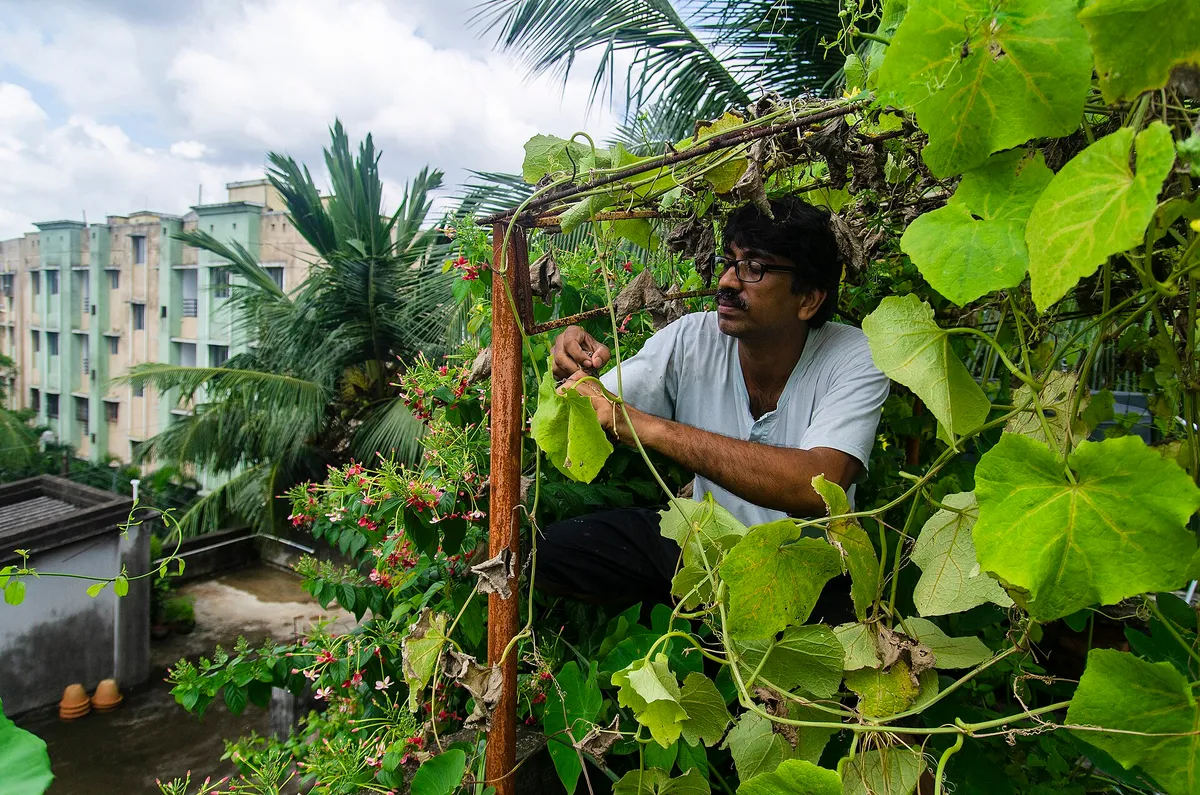
3. Living soil
What it is. A potting mix of soil, compost and cocopeat in pots; beds with compost dug in every season and a mulch on top; earthworms in the ground and a sweet smell in the pot.
Why it matters. Plants eat from the soil and the soil has to be fed. A pot of mix feeds for three or four months; a bed of red soil with nothing added gives one good season. After that, growth stops, leaves pale, and pests arrive on the weakened plant. Chemical feed alone keeps a plant going but does not rebuild the soil.
How to check. Dig a hand in. Dark and crumbly is right. Pale and dusty, or grey and smeary, is dead. In a bed, no earthworms after rain is a bad sign. In a pot, water that runs straight through without wetting the mix means the coir has gone hydrophobic and the organic matter is used up.
What it costs. A 25 kg bag of vermicompost is ₹250 to ₹500 and does about twenty pots or 50 sq ft of bed. A gardener's manure and soil treatment visit at ₹700 works it into everything at once; twice a year, before the monsoon and in October, is enough for most gardens. A home vermicompost bin, ₹1,500 to ₹4,000, turns kitchen waste into the next year's supply.
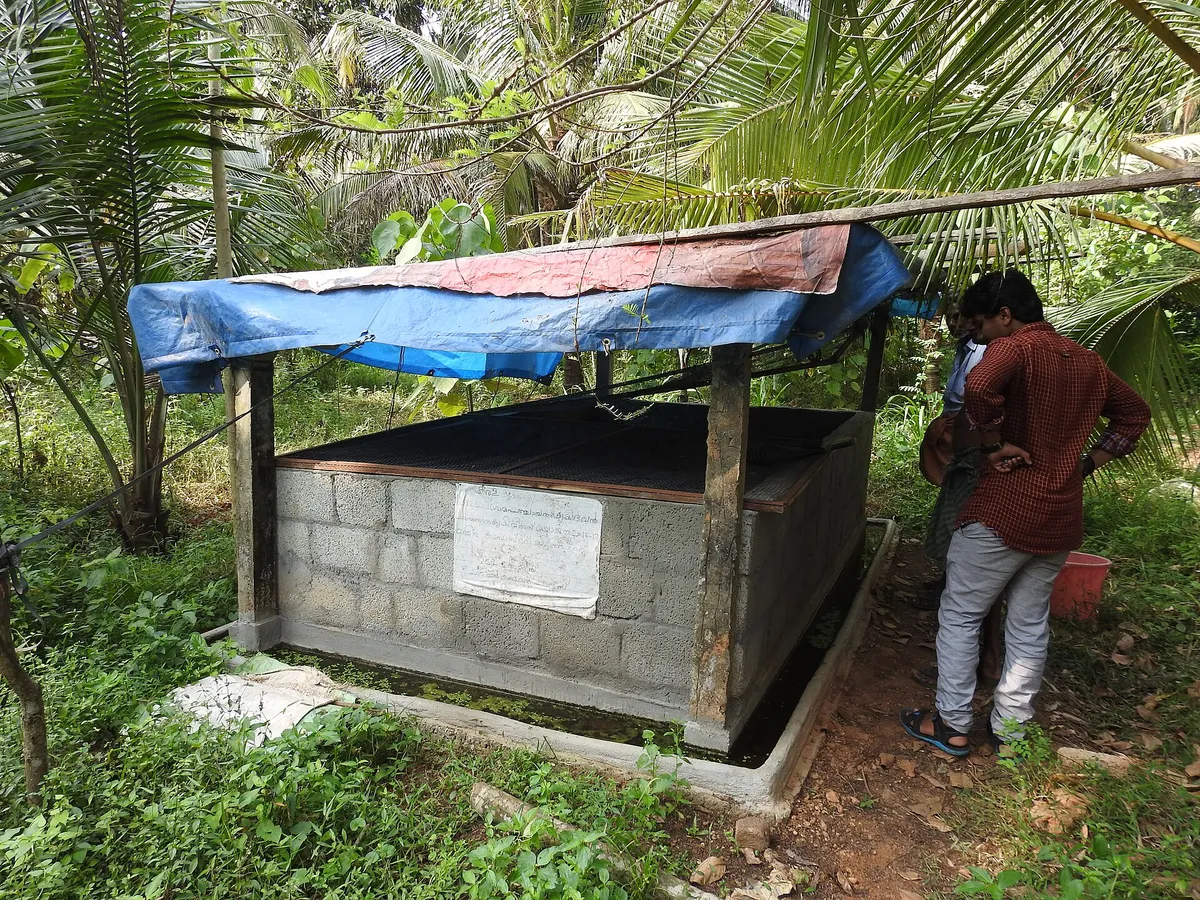
4. A water plan that does not depend on memory
What it is. Either a person who is home and waters by the finger test, or a drip line on a timer, or both. On a terrace, a tap at the garden, not a bucket carried up a floor.
Why it matters. Watering is the job that has to happen every day in summer and almost never in the monsoon, and it is the job that fails on the weekend you travel. A garden that depends on remembering will lose its small pots the first hot week of April.
How to check. Ask who waters on a Sunday in May, and when. If the answer is "the maid, when she remembers", or "the gardener, when he comes", the plan is missing. Lift a 10 inch pot at 5 pm on a hot day; if it is light enough to lift with two fingers, it has been dry since noon.
What it costs. A drip line is ₹20 per sq ft in labour plus about ₹10–₹25 per sq ft in pipe, drippers and a filter; a timer on the tap is ₹800 to ₹2,500. A plumber's tap on the terrace is a few hundred rupees and changes everything. The gardener who lays the line should be the gardener who holds the monthly plan at ₹1,500, so there is one person responsible when a dripper blocks.
5. A re-potting and pruning cycle
What it is. Every pot into fresh mix, one size up if needed, every two years. Every shrub and tree pruned once a year at the right time: after flowering for the flowering ones, late winter for the fruit trees, any time for dead and crossing wood.
Why it matters. A root-bound pot stops growing and then starts dying, slowly enough that it looks like bad luck. An unpruned hibiscus becomes a leggy stick with three flowers; an unpruned lemon fruits inside a thicket you cannot reach. The cycle is what separates a garden that improves from one that fades.
How to check. Tip a pot out. If the root ball holds the shape of the pot and is white roots on the outside, it is overdue. Look at a shrub: flowers only at the tips of long bare stems means it has not been cut back in years.
What it costs. Re-potting is ₹60 per pot, with the new mix on top. Pruning is ₹400 per tree up to 15 ft, and a hedge is ₹40 per metre. A monthly plan covers the light pruning and the odd re-pot; the annual round of everything is a half-day job at ₹550.
Doing all five at once
A new garden or a neglected one is best started with one visit that goes through the list: a ₹1,200 clearing if it has gone wild, or a ₹900 large-garden visit if it has only been ignored, during which the gardener drills the pots, moves the plants to the right light, works compost in, and writes down what needs a drip line and what needs a bigger pot. Most gardens come out needing two or three of the five, not all. Drainage and the sun map come first, always; soil next; the water plan and the cycle are what the monthly plan then maintains.
If you are starting a terrace from nothing, the order is fixed by physics: the mason's waterproofing, then the tap, then the drainage layer, then the pots in the light they need, and the drip line last. The gardener's part of that is ₹70 per sq ft and starts after the mason has finished and the slab has been flood-tested.