Every gardener on TheHire sees the same ten complaints season after season. For each one: what it usually is, what you can safely try first, when to call, and what the visit should cost in a typical Indian city.
1. Leaves going yellow
Usually: too much water. Yellow from the bottom leaves up, soil still damp a day after watering, a sour smell at the pot, and sometimes small black fungus gnats hovering. Less often, hunger: an even pale yellow across the plant in a pot that has had no compost for a year. Rarely, iron shortage: yellow between green veins on new leaves, common in hard-water cities and on gardenia and hibiscus.
Try first: stop watering until the top inch is dry. Lift the pot onto feet. If the pot has no hole, that is the whole problem. For hunger, a spoon of vermicompost and a feed of 19:19:19 at a gram a litre.
Call for: a plant that keeps yellowing after a month of correct watering, which usually means rotted roots and needs a ₹60 re-pot into fresh mix with the dead roots cut away.
2. Mealybug, the white cottony stuff at the joints
Usually: a stressed plant, poor drainage or too little light, and ants farming the bugs for their sweet waste. Hibiscus, croton, adenium and mango are the usual victims.
Try first: wipe off every cluster with a cloth dipped in soapy water; then neem oil at 5 ml a litre with a drop of liquid soap, sprayed in the evening on every surface including under the leaves, every ten days for a month. Control the ants with a sticky band on the stem.
Call for: a garden where it has spread across many plants. A ₹600 spray visit covers everything at once, and a good gardener will move the plants that keep getting it into more light.
3. Aphids, whitefly and the sticky leaf
Usually: aphids are the tiny green or black insects crowded on soft new growth, and come to plants fed too much nitrogen. Whitefly rises in a cloud when you brush a crowded, humid plant. Both leave a sticky coating, honeydew, on which black sooty mould grows.
Try first: a hard jet of water from the hose knocks aphids off. Yellow sticky traps catch whitefly. Neem oil for both, and thin the plants so air moves.
Call for: whitefly on a vegetable bed you cannot get ahead of; ₹600.
4. Fine webbing and speckled leaves
Usually: red spider mite, a summer pest of dry air and plants under a roof. Leaves look dusty and stippled, then bronze, and there is fine web under them.
Try first: mites hate water. Spray the undersides with plain water every morning for a week, then neem. Move the plant out from under the roof if it lives there.
Call for: a terrace where it has gone through everything; ₹600.
5. Spots, powder and rot in the monsoon
Usually: fungus. Brown spots with yellow halos are leaf spot; a white powder on leaves is powdery mildew; a black soft stem at the soil line is rot and the plant is usually lost. All three come from wet leaves, still air and overwatering in July.
Try first: remove the affected leaves and bin them, not into the compost. Water in the morning only, at the base. Lift pots off the floor. Copper oxychloride or mancozeb at 2 g a litre on the rest.
Call for: a bed where rot is spreading, which needs the drainage looked at, not another spray. A ₹400 visit with a gardener who will dig a soakaway is the fix.
6. No flowers
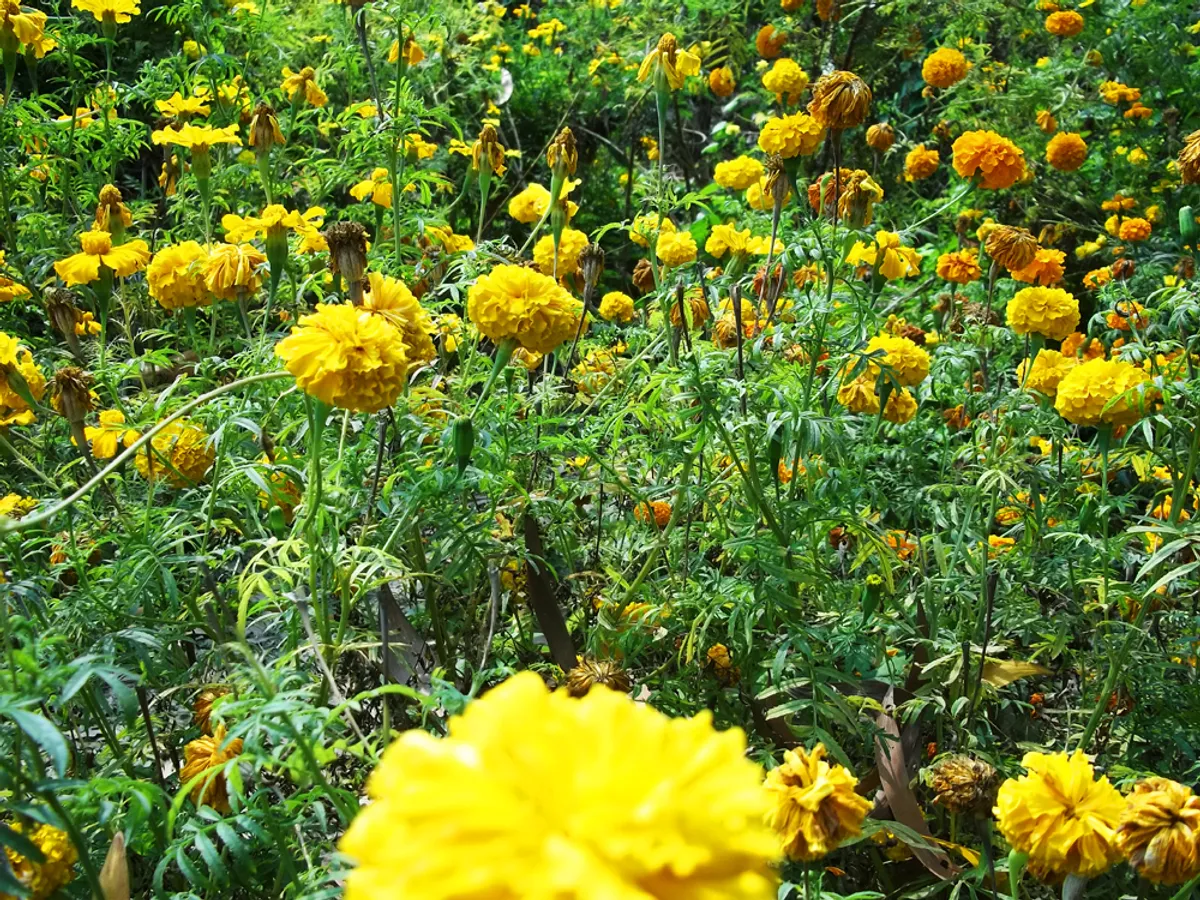
Usually: not enough sun. A six-hour plant in a three-hour spot grows leaves and nothing else. Second cause: too much nitrogen, which is the same answer. Third: the plant was pruned at the wrong time and the flowering wood was cut off. Fourth: a pot so big the plant is busy filling it with roots.
Try first: move it to the sunniest spot you have and give it a month. Stop the nitrogen feed; a spoon of bone meal instead. Check the pruning calendar for that plant: flowering shrubs are cut after they flower, not before.
Call for: a garden where the layout is wrong, every flowering thing in the shade. A ₹900 visit that rearranges by the sun map does more than any feed.
7. The plant has stopped growing
Usually: root-bound. The pot is full of roots circling the wall and there is nothing left to feed from. Water runs straight through. Common at the two-year mark in any pot.
Try first: tip it out. If the root ball holds the pot's shape and is white on the outside, it is overdue.
Call for: a ₹60 re-pot per plant into a pot a third wider with fresh mix, the outer roots loosened and the circling ones cut. Pay once every two years and the plant goes on for a decade.
8. The lawn is going bald, or is more weed than grass
Usually: shade, in the patch under a tree or along a wall; compaction, on the path people walk; or the wrong grass, a carpet lawn in full sun and foot traffic. Weeds move into any thin patch. Mowing too short scalps it and lets the weeds in.
Try first: raise the mower height. Spike the compacted patches with a fork. Stop walking on the bald bit. Accept that under a dense tree nothing will grow and plant a shade ground cover there instead.
Call for: repair with plugs or seed at ₹12 per sq ft, or, if the whole lawn is wrong for the spot, a new lawn at ₹25 per sq ft plus turf at ₹12–₹30 per sq ft in Bermuda or Selection 1, which take the sun and the traffic a carpet grass cannot. Regular mowing at ₹1 per sq ft every 10 to 15 days is what keeps it fixed.
9. Seedlings collapse at the base a week after sowing
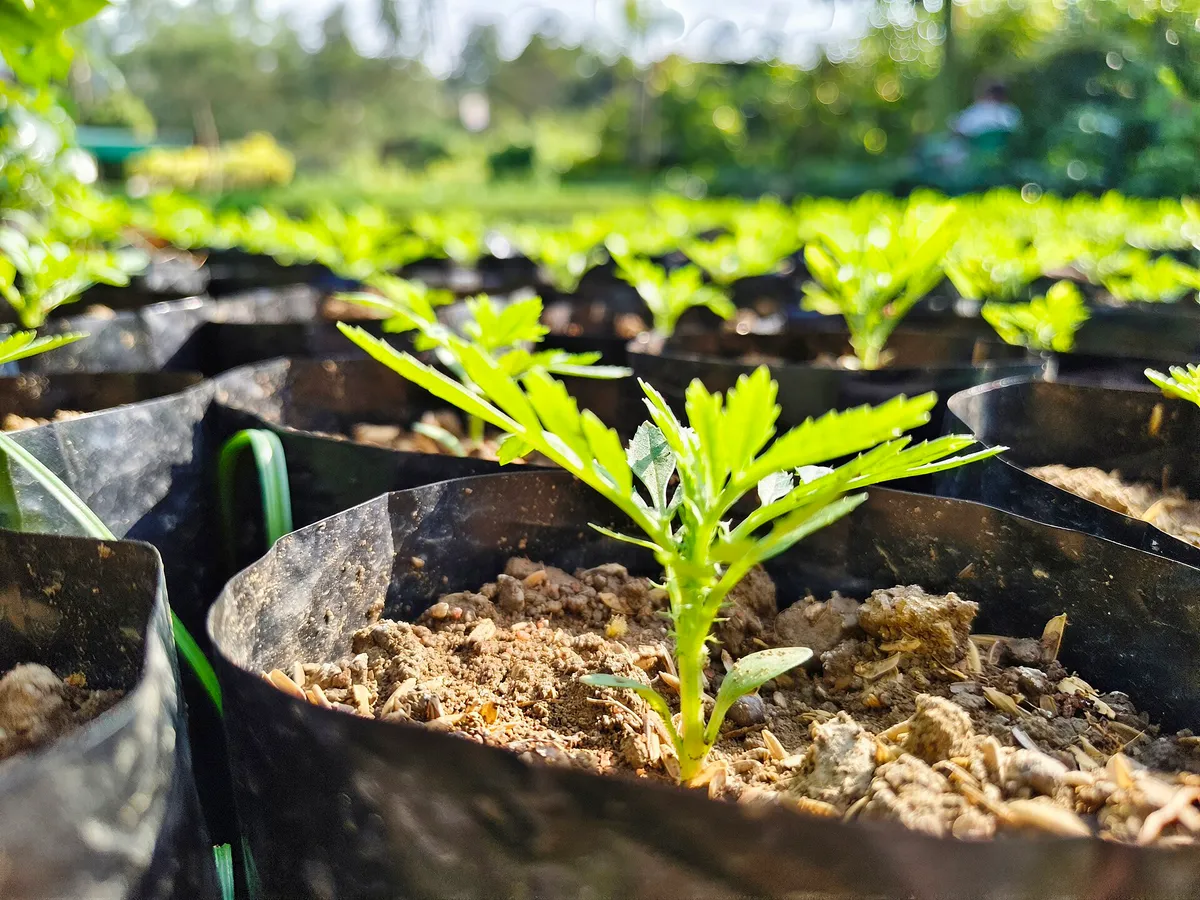
Usually: damping off, a fungus of wet, crowded, cool seed trays. The stem pinches brown at the soil line and the seedling falls over. Very common in October sowing of winter annuals.
Try first: sow thinner, in a free-draining mix with cocopeat, water from below, and give air and light from the first day. A pinch of copper fungicide in the first watering helps. Throw the tray out if it starts; it does not stop.
Call for: nothing; buy nursery seedlings at ₹10 to ₹40 each instead and let a gardener put them in as part of a ₹400 visit.
10. The terrace ceiling below is damp
Usually: not a garden problem, a waterproofing one, but the garden caused it. Pots and grow bags keep a slab wet for months, water finds the weak point, and the room below stains. Sometimes a blocked outlet has turned the terrace into a pond.
Try first: clear the outlet. Lift every pot onto feet. Stop watering for a week and see whether the stain dries.
Call for: a mason, before any more gardening. Then a gardener to put the garden back on a drainage layer, which is part of a terrace setup at ₹70 per sq ft. A gardener who sets up a terrace without asking about the waterproofing is the wrong gardener.
Two rules that apply to all ten
Fix the cause, not the symptom. A spray kills this month's mealybug; the next lot arrives on the same stressed plant. Light, drainage and fresh mix are what stop the cycle.
One visit, several jobs. If three of these are waiting, post one request with all three. A gardener prices the re-pots, the spray and the lawn repair each at their own rate, discounts from the fourth item, and sees the garden whole rather than in pieces.