A clean house is mostly habit, but five things are not. Get these five right and the rest is a weekly routine; get them wrong and no amount of mopping helps. For each: why it matters, how to check your home, and what it costs to put right.
1. Bleach and acids kept apart, in the bottle and in the bathroom
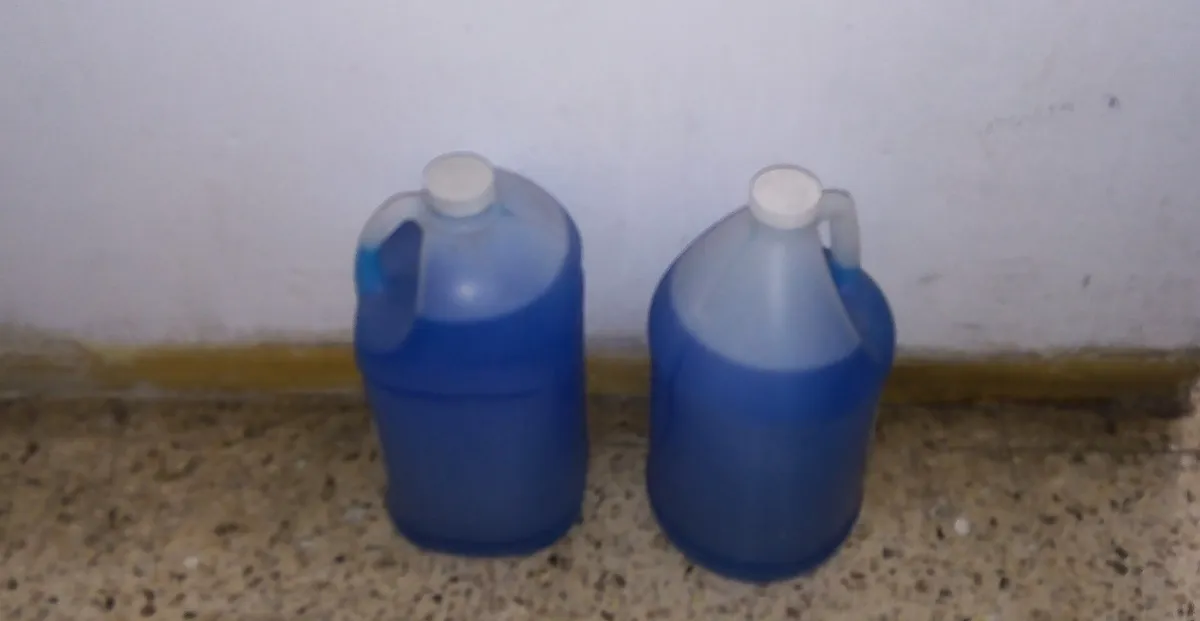
Household bleach is sodium hypochlorite. Toilet cleaners of the common kind are hydrochloric acid. Together they release chlorine gas, and the combination is reached without anyone meaning to: bleach poured into the WC on Sunday, toilet cleaner on Monday into a bowl that has not been flushed, or both used in the same closed bathroom an hour apart. Bleach with ammonia-based glass cleaners makes chloramine; bleach with vinegar makes chlorine again.
Check: open the shelf under the sink. If bleach and toilet cleaner stand next to each other with no rule about who uses which and when, you do not have this right.
Fix: costs nothing. Bleach on its own shelf. One order for the bathroom, always: degreaser, rinse, acid, rinse, bleach last, window open. Tell your help the rule in those words and show them the two bottles. Professional teams follow exactly this order, and a team on TheHire that does the bathroom in some other order is one to watch.
2. The right cleaner for the floor you actually have
Indian homes have more kinds of floor than most, and each takes a different chemistry. Vitrified and ceramic tile take almost anything. Marble, Kota, granite, sandstone and terrazzo are stone, and acid eats stone. Red-oxide and cement floors are porous and soak up whatever is poured on them. Wood and laminate swell with water.
The damage is slow and permanent. A phenyl that is slightly acidic, used daily on marble for a year, leaves the floor dull and rough in the traffic lanes, and no cleaning brings the shine back; only a diamond polish does, which is the floor-polishing trade's job and costs many times what the right cleaner would have.
Check: look at your floor cleaner's label for "pH neutral" or "safe for marble." If it says neither, and your floor is stone, you have a problem in progress. Look at the floor near the bathroom door and the kitchen sink, where cleaner is used strongest; a patch duller than the rest is etching.
Fix: a neutral cleaner at ₹100 to ₹250 a litre, diluted a capful to a bucket. A professional deep clean at ₹5 per sq ft on a stone floor is done with a soft pad and a neutral cleaner; ask what they are using before they start, and if the answer is "the usual bathroom one," stop them.
3. A clean water tank
Every drop in the house comes from the overhead tank, and most tanks have not been opened since the plumber fitted them. Sediment from the municipal supply or the tanker settles at the bottom, algae grows on the walls in the sunlight that gets through the lid, and the first sign is brown water from the tap after a delivery, or a slime in the bathroom bucket.
The tank feeds the water purifier, the geyser and the kitchen. A purifier filter chokes early on a dirty tank; a geyser element scales faster; and the family drinks what the purifier misses.
Check: lift the lid. If you cannot see the bottom through the water, or the walls are green or brown, it is due. If you have never lifted the lid, it is due.
Fix: ₹1,200 for a professional clean: drained, scrubbed, the sediment removed by hand, chlorinated, rinsed and refilled. Every six months for the overhead tank. The sump below ground is once a year. In an apartment the society tank is the committee's job, and the individual flat tanks are yours; ask which you have.
4. Drains that run and traps that are not full of hair
Every bathroom floor drain, basin and sink has a trap: a bend that holds water so the sewer smell stays in the sewer. The trap fills with hair, soap and grease, the water drains slowly, and the standing water in the bathroom after a shower is the result. A trap that dries out, in an unused guest bathroom, lets the smell straight in, which is the "bad smell with nothing dirty" problem that gets cleaning teams blamed for the plumber's job.
Check: pour a bucket of water into each floor drain. It should vanish in seconds. If it stands, the trap is clogging. Smell at the basin overflow hole; a drain smell there is a dirty trap, not a dirty basin.
Fix: a drain cover lifted and the hair cleared is part of every ₹700 bathroom deep clean and takes two minutes. A monthly handful of hair out of the trap yourself prevents it. Pour a jug of water into unused drains once a week to keep the trap wet. A drain that stays slow after the trap is clear is a plumbing job, not a cleaning one.
5. Mould dealt with at the source, not just wiped
The black spots on the bathroom ceiling, the grey bloom on a leather bag in the wardrobe, the musty smell in the room that faces the rain: all mould, all the same cause, which is damp air that does not move. Wiping it off helps for a week. It grows back from the spores in the plaster and the fabric until the damp stops.
Check: the silicone around the shower and basin, the ceiling corners of the bathroom, the back wall of any wardrobe against an outside wall, and the underside of the mattress. Black or grey speckling is mould. A musty smell with nothing visible means it is inside the wardrobe or behind the furniture.
Fix: kill what is there with a one-to-ten bleach solution, ten minutes, rinse, dry; this is in the ₹700 bathroom job and the ₹5 per sq ft deep clean. Then stop the damp: the exhaust fan on for twenty minutes after every shower, the bathroom door open, the wardrobe pulled two inches off the outside wall, silica or a dehumidifier in the wardrobe through the monsoon. If the damp is coming through the wall from outside or from the bathroom above, it is a mason's seepage job, and no cleaning will outlast the next rain. The seasonal guide covers the monsoon routine in full.
Doing all five at once
The honest way to do this is one Saturday and one professional visit. The Saturday is yours: the chemicals sorted, the floor cleaner replaced if it is wrong, the drains flushed, the wardrobe pulled off the wall, the exhaust fan habit started. The professional visit is a deep clean at ₹5 per sq ft with the tank added at ₹1,200, and the bathrooms done properly at ₹700 each so the mould is killed rather than wiped. Book the tank clean for the same day, because the team needs the house's water and you do not want two visits.
After that the house needs what every house needs: a regular clean at ₹3 per sq ft or a monthly arrangement at ₹4,500, the squeegee on the shower glass, and the five checks above once a quarter. The pest-control guides take over when the deep clean turns up cockroaches behind the fridge, which it usually does, and the floor-polishing guides are for the marble that essential number two came too late for.