Paint and rain do not mix, and most of the painting calls that come in August are about work that was done in June. Here is what to check before the monsoon, what to leave until after it, and when in the year each kind of painting job belongs.
Before the monsoon: the one afternoon that matters
Walk the outside of the house, or the outside walls of the flat as far as you can see them, in April or May. You are looking for the places where water will get in.
- Hairline cracks in the exterior plaster, especially around window frames and at the junction of wall and slab. Fine ones are bridged by a waterproof exterior coat at ₹22 per sq ft. Anything wider than a coin edge is a mason's crack filling first.
- The terrace. Clear the drains of leaves and silt. Look for cracks in the screed, bubbled or peeling waterproof coating, and ponding where water sat last year. A terrace coat is ₹45 per sq ft and must be done on a dry slab, which means now, not July.
- The parapet and the top of exterior walls. This is where the coat is thinnest and the sun is strongest; it is the first place to let water in.
- Window sills and the wall under them. The drip line below a sill is where exterior paint fails first and where the inside wall shows damp.
- Grills, gates and railings. Any rust spot now is a rust bloom by September. Wire-brush, primer and enamel: ₹500 per grill, ₹180 per metre, ₹2,500 for a gate.
- The balcony. Check the drain is clear and the floor slopes to it. A balcony that holds water sends it into the room below.
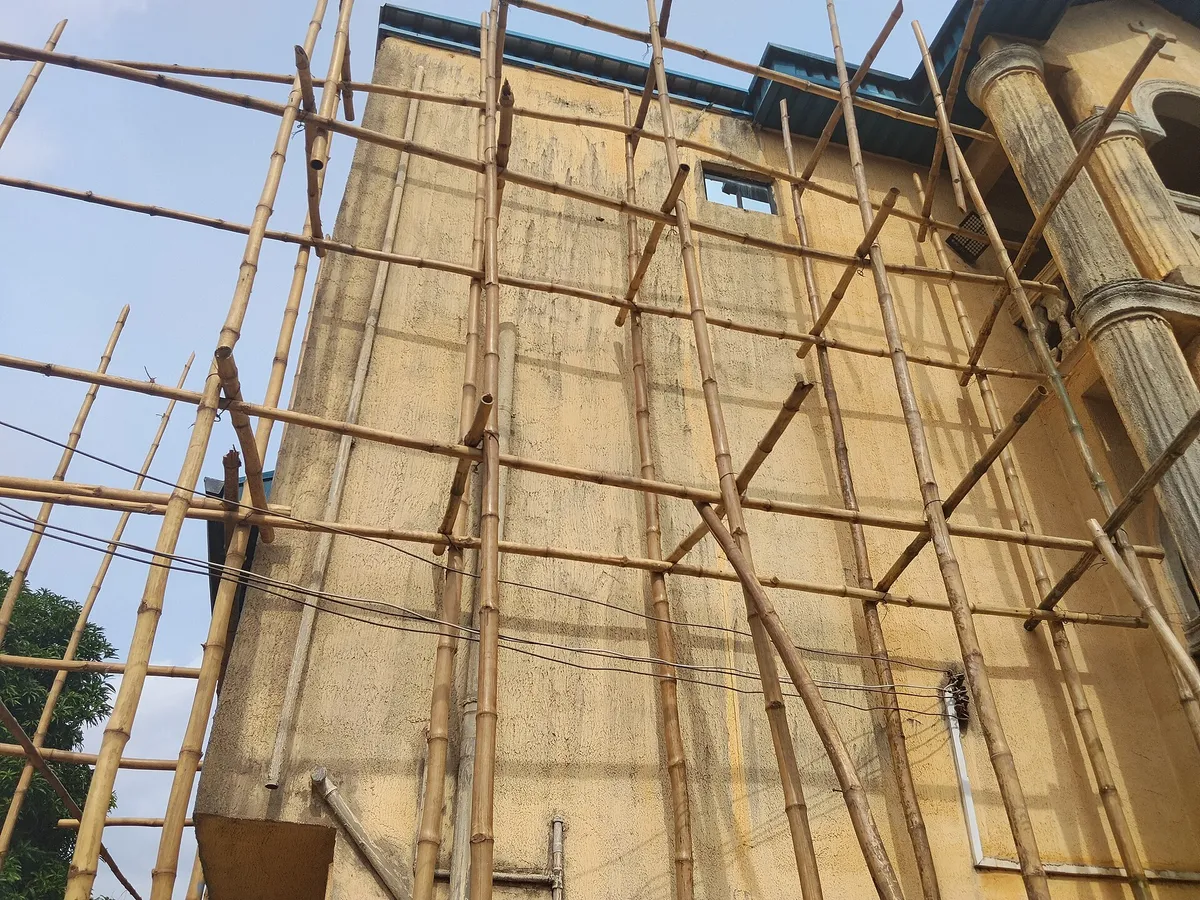
What to do before the rains, and what to wait on
Do now. Exterior waterproof coat, terrace coat, grills and gates, crack filling, and any repair to a damp wall whose source has been fixed and which has had the dry season to dry out. Interior painting too, if you want it done without the humidity slowing every coat.
Wait. Any wall that is still showing damp from last year's rain; it is not dry enough to paint and will not be until October. Any exterior work that cannot be finished in a clear week. Wallpaper, texture and silk finishes, which show every bit of moisture that comes through.
In the monsoon: the three things that go wrong
Paint that will not dry. Emulsion cures by losing water to the air; in 90 percent humidity it does so slowly. A second coat rolled over a first that is still soft traps water, and the wall stays tacky and marks for weeks. The rule is overnight between coats, fans on, windows open when it is not actually raining.
Mould on new paint. Bathroom ceilings, north walls, behind wardrobes. Fresh paint that has not fully cured is food for it. Use an anti-fungal primer and a premium emulsion with a fungicide in any room that stays damp; a ceiling at ₹6 per sq ft with the right primer is the difference between a clean ceiling in September and a black one.
The damp patch that appears. This is the monsoon doing its job of showing you where the water gets in. Do not paint over it; photograph it, mark its edge with a pencil, and watch whether it grows. In October, with the source fixed and the wall dry, the painter's damp treatment is ₹35 per sq ft.
After the monsoon: painting season
October to February is when most of India paints, and for good reason: the walls are dry, the air is dry, and emulsion goes on and cures the way the tin says it will. Exterior work especially belongs here; a waterproof coat applied in November has four dry months to cure before the first summer rain tests it.
The complication is Diwali. Every flat wants the same three weeks in October, painters book out, and rates drift up. Book in September for October, or accept that the same painter in January has time, quotes the normal ₹16 per sq ft, and will do a better job without the rush. A single room before the festival, at ₹3,500, is a reasonable compromise: the hall done for the guests, the rest of the flat in the new year.
Summer: heat and the exterior
March to June is dry but hot, and exterior paint applied on a wall at 45 degrees in direct sun skins over before it has bonded and flakes within the year. Painters work the shaded side in the morning and the other side in the late afternoon, and a good one will refuse a west-facing wall at 2 pm. Interior work is fine; keep the fans on and the windows open for the enamel.
The summer is also when the plaster cracks hair-fine as it expands, which is why the April walk-round above finds cracks that were not there in January.
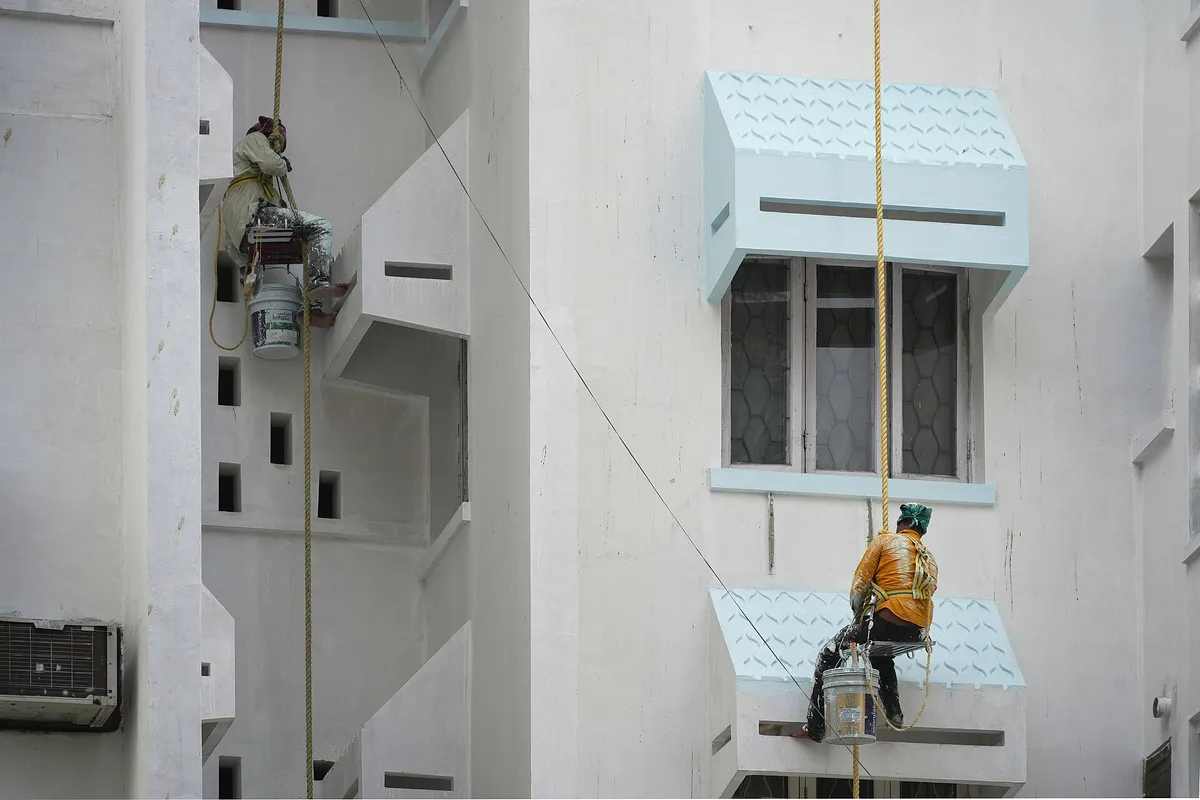
The annual walk-round
One hour a year, in April, prevents most of the calls on the list above:
- Walk the exterior and the terrace with a notebook. Cracks, bubbled coating, rust, blocked drains.
- Walk the inside with the lights off and the windows open. Damp patches, tide marks, white powder, mould behind furniture.
- Press a palm to any suspect wall. Cold and damp means a source to find before October.
- Note what is owner's work and what is the society's. An exterior leak in a flat is the society's job and goes to the committee in writing with a photo.
- Book the dry-season work in September: exterior at ₹14 per sq ft, terrace at ₹45, interior at ₹16, with the damp walls last once they have proven dry.
The winter items
Winter is the quiet season and the one with the best conditions, which makes it the right time for the slow jobs: full putty on a new flat at ₹24 per sq ft, which needs days of sanding and dust-free drying; wallpaper at ₹22 per sq ft and texture at ₹55, which want a bone-dry wall; furniture polish at ₹1,200 per piece, which needs a well-ventilated room for the thinner. In the north, keep the room above 10 degrees overnight; emulsion does not film properly in the cold and goes powdery.
The mason's guides cover the terrace, the cracks and the bathroom waterproofing that sit under every monsoon paint problem; the false-ceiling guide covers the POP that shows the first stain when the slab above leaks.