A household with staff runs on the calendar. Festivals empty the kitchen for a week, summer changes the hours, the monsoon changes the floors, and the wedding season changes the headcount. A little planning in each season, and one annual conversation, prevents most of the friction the rest of this library describes.
Festival season: the one month that matters
Diwali in the north and west, Pongal in Tamil Nadu, Onam in Kerala, Durga Puja in Bengal, Eid and Christmas for the families that keep them. The festival that matters is the worker's, not yours.
A month before. Ask which days she wants and agree them. Three to five days is normal for part-time and live-out staff; live-in staff travelling home take a week to ten days, more if the village is two days by train. Write the dates on the sheet.
The week before. Pay the bonus: one month's salary, before she leaves, in full. A sweet box is a gift; the bonus is pay. New clothes are a tradition in many households and are received as a kindness, not a substitute.
While she is away. Cook simply, order in, or book cover. A helper for the day is ₹700, a cook for the day ₹1,200; a neighbour's maid will often take a week's extra house at about that rate. If the parent needs an attendant every day, book a caretaker at ₹900 for the days, or arrange a stand-in through the same agency or profile.
The week after. Do not deduct the festival days. They were paid leave, agreed. Households that deduct them are the ones with a new cook by January.
Summer: hours, water and heat
From March to June, in most of India, the house is hottest in the afternoon and the worker's own locality may have water for two hours in the morning.
- Shift the hours. A cook who comes at 10 for lunch is standing at a stove in a 38-degree kitchen. Earlier is better for everyone. A maid's round starts earlier in summer anyway.
- Water. If the society's supply is cut or tankered, the household decides what is washed and when. Say it; do not let her discover a dry tap with a bucket of clothes.
- Drinking water and a fan. Cold water in the kitchen and a fan where she works are not perks. For live-in staff, the room needs a working fan and a cooler is a kindness that costs ₹5,000 to ₹10,000 once.
- Heat illness. A worker who is dizzy, has stopped sweating or has a headache in May is to be sat down with water and salt, not sent to the next house.
Summer is also when the children are home, which changes the nanny's job: full days instead of after-school, more meals, more mess. An after-school arrangement that becomes a full eight-hour day moves to the ₹13,000 rate for the holiday months, and it is fairer to say so in April than to argue in June.
Monsoon: floors, clothes and the commute
- Floors are mopped twice, not once, in a house with children and a dog. If the sheet says once, the monsoon is when to add a line.
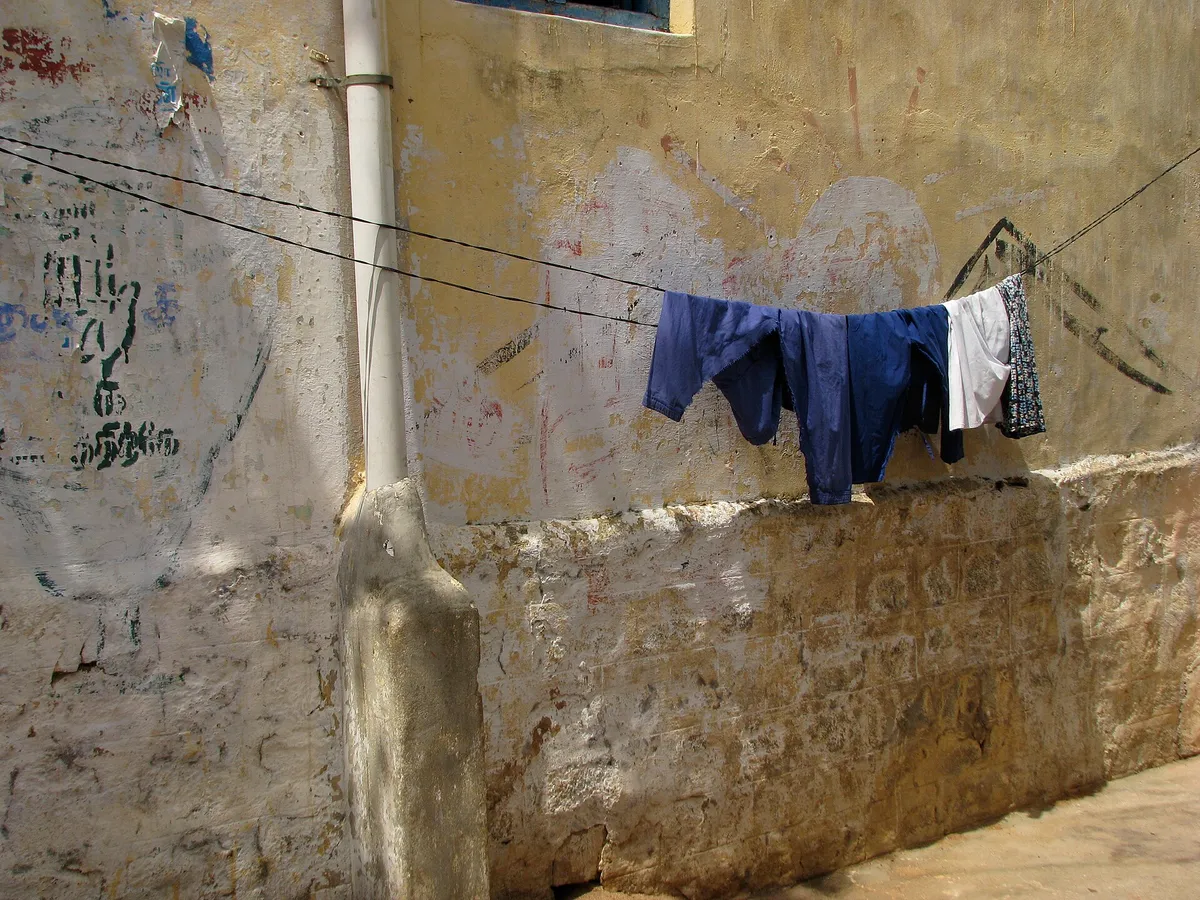
- Clothes do not dry. The line moves indoors, drying takes two days, folding backs up. A drying stand near a fan, ₹800 to ₹1,500, is the household's problem to solve, not the worker's.
- The commute. Flooded roads and stopped trains make part-time staff late or absent. A morning message and a little slack in July and August is the arrangement; it is not a leave day.
- Mould and damp. Bathrooms and the kitchen's back corners need a weekly scrub with a stronger cleaner in the rains. Supply it.
- Dengue. Standing water in your own balcony pots and the drain trays under the fridge and the AC is where it breeds. Add "empty the trays" to the weekly list.
Guests, weddings and the function months
November to February is wedding season in most of the country, and guests for a week are the most common reason a cook quits.
- Guests for a few days. Tell her the headcount and the dates. Extra people for a week is extra pay for the week, agreed in advance; the cook's sheet was written for four, not nine.
- A function at home. Hire for the day rather than stretching the regular staff: a cook for up to twenty people at ₹1,200, waiters at ₹900 each, a steward to run them at ₹1,500, cleaners for the morning after at ₹700. The regular cook, if she wants it, is paid the event rate for the day as well.
- A bartender for a house party is ₹1,800, and worth it when the alternative is a cousin.
Book two weeks ahead in December; the good event staff are taken.
When you travel
A monthly worker is paid in full for a week or two away. For a month or more, a half-pay retainer is the usual arrangement if you want her back, and most households do. Tell her the dates, pay the retainer in advance, and leave a number for emergencies. A live-in worker who stays in the house while you travel is working, and is paid in full; if she goes home instead, it is her leave and comes out of the annual days only if she wants it to.
A pet left at home needs the maid or a caretaker by the day at ₹900; the pet care category has people who do only that.
School holidays and the nanny
The nanny's year follows the school's. After-school hours in term, full days in May and June and the October break. If the arrangement was priced for the term, the holidays move it to the full ₹13,000 for those months, or to hourly babysitting at ₹150 with a four-hour minimum if the need is a few days a week. Say it in March; nannies with two families to balance plan their summers early.
The annual conversation
Once a year, at the anniversary or just after the festival, ten minutes with the sheet in hand:
- Raise. About ten percent. Say it before she asks; being asked is a sign the household is late.
- Tasks. Anything that crept on the list during the year gets a line and an amount, or comes off.
- Leave. Next year's festival dates, the trip home, any family event she already knows about.
- Health. A policy renewed, or a first conversation about one. A few thousand rupees a year buys more loyalty than the same amount in salary.
- The sheet rewritten and photographed again.
A household that does this every year has the same staff for a decade. The ones that do not are the ones posting a request the week before Diwali, when there is nobody to reply.
The winter items
Short days change the hours; a cook who finishes dinner at 8 is walking home in the dark at 8:30, and an auto fare on a late night is the household's. Geysers and heavy winter clothes make the clothes task longer in the north. And winter is the wedding season, which is the section above.