A cook can only be as good as the kitchen you hand them. A blunt knife, an empty masala dabba and a cooker with a failed gasket produce the same bad dinner whoever is at the stove. Before the trial day, get the kitchen ready, decide who buys what, and write down the five or six rules that will otherwise turn into arguments in the second month.
The kitchen itself
Walk through your kitchen as if you were the cook arriving at 7 am for the first time.
- The stove and the gas. Both burners working, the lighter or the matches where the cook can see them, and the cylinder with more than a few days left. A cook who runs out of gas mid-dal will not be back early tomorrow to finish it.
- The chimney or the exhaust. A kitchen that fills with smoke at every tadka is one the cook will rush through. Get the filters cleaned before a new cook starts; it costs a few hundred rupees and changes the mood of every visit.
- The pressure cooker. Gasket intact, weight present, no wobble on the base. A 3-litre cooker for dal and a 5-litre for rice is a sensible pair for a family of four.
- Knives and a board. One good 8-inch knife, sharpened, and a second small one. Two chopping boards, one marked for non-veg if the house cooks it.
- Tawa and kadai. An iron tawa seasoned and not rusted, and a kadai that is not pitted. Non-stick is fine for dosas if the coating is intact; a flaking non-stick pan should go in the bin.
- The mixer-grinder. Working jars with lids that seal. For South Indian homes the wet grinder for batter is the cook's main tool; check its stones and the belt.
- Storage. Airtight dabbas for dal, rice, atta and sugar, labelled. A cook who has to open five unlabelled steel tins to find the urad dal is losing ten minutes a visit.
- The fridge. Space cleared on one shelf for what the cook makes, and a freezer that actually freezes.
Groceries: who buys, how often, and how to settle
There are three ways this works, and the trouble starts when nobody picked one.
You buy, the cook plans. The usual arrangement. The cook sends a list on WhatsApp once a week, you shop or order, and the cook works with what is there. Daily vegetables are the weak point: either you buy on the way home, or the cook picks them up from the corner shop against a small float.
The cook buys, against bills. For live-in cooks and busy households. Keep a float of a few thousand rupees, settle weekly against bills or a photographed list, and spot-check prices once a month. A cook who shops is doing you a service; say so, and do not treat every bill as a suspicion.
A mix. Staples and dry goods monthly by you, vegetables and milk daily by the cook from a float. This is what most two-meal homes settle into.
Whichever you choose, agree it on the trial day and write it on the same note as the salary.
The staples to stock before the cook arrives
A cook cannot show you anything in a kitchen without these. Buy the brands your family already uses; the cook will tell you if they want something different.
- Grains. Rice (the variety your house eats, and a parboiled or idli rice if South Indian), atta, and a kilo each of rava, poha and besan.
- Dals. Toor, moong, chana, urad, masoor. Half a kilo of each to start.
- Oil and ghee. One cooking oil the family uses, plus a small bottle of a second for specific dishes (mustard for Bengali, coconut for Kerala, sesame for Tamil food). Ghee for the dal and the rotis.
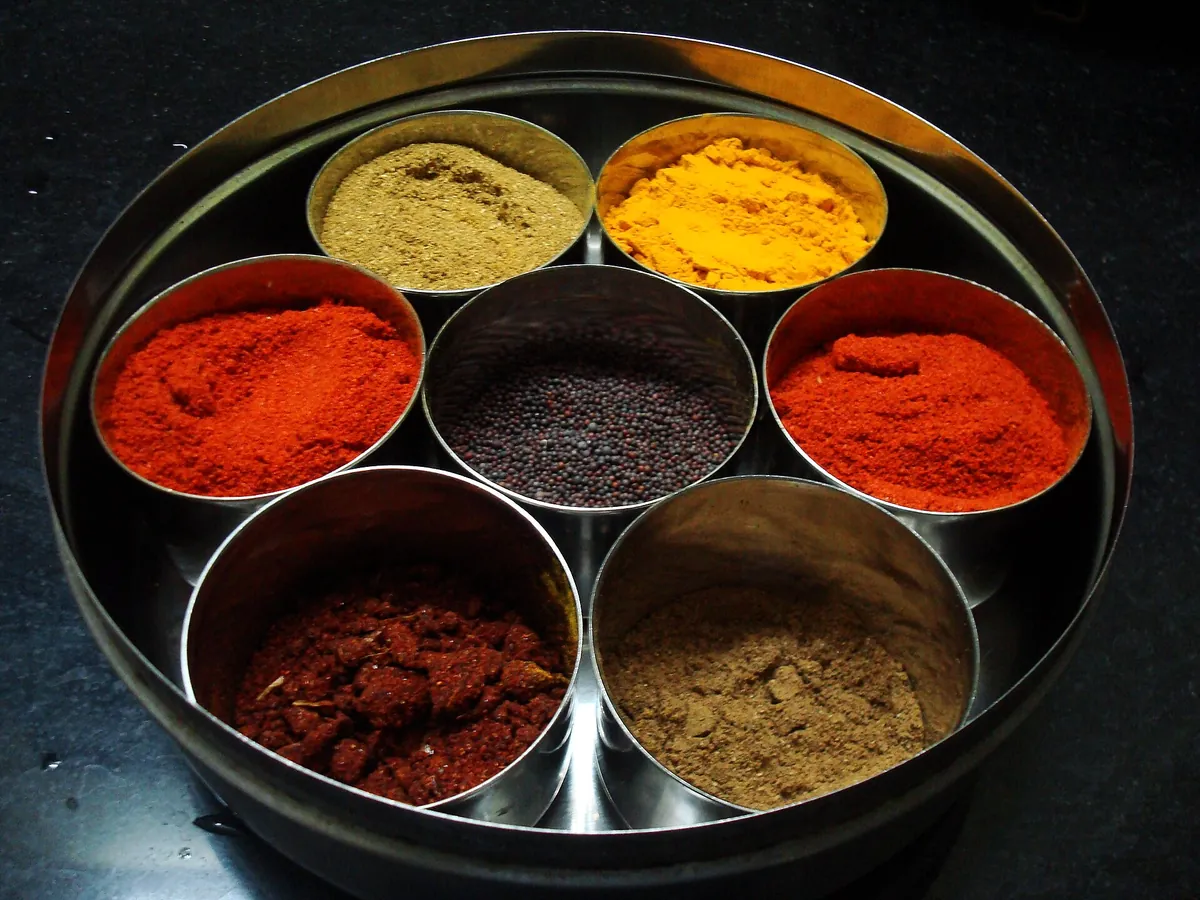
- The dabba. Turmeric, red chilli, coriander powder, cumin seeds, mustard seeds, garam masala, asafoetida. Whole spices: cinnamon, cloves, cardamom, bay leaf, pepper.
- Wet basics. Ginger, garlic, onions, tomatoes, green chillies, coriander leaves, curry leaves, lemons. Tamarind in a block for the South.
- Dairy. Milk, curd, and a block of paneer if the house eats it.
- Salt and sugar, and jaggery if the cooking uses it.
Grocery prices move, and this is not a price guide, but a one-time top-up of all of the above for a family of four is in the low thousands of rupees. It is spent once; after that it is the weekly list.
The three conversations about health
Nobody wants to have these with a stranger on day one. Have them anyway, in plain words, because a cook cannot read your mind and the alternative is three months of quietly disliking the food.
Oil. Say how much oil a month the house uses and ask the cook to stay within it. The simple test is whether the dal has a layer of oil on top. A cook who learned in a restaurant or a hostel mess will cook with far more oil than a home needs, and will happily reduce it if asked.
Salt and sugar. If anyone in the house has blood pressure or diabetes, say so. A cook should cook with less salt and let people add at the table, and should never sweeten a dish nobody asked to be sweet.
Allergies and restrictions. Nuts, dairy, gluten, eggs, specific vegetables. Write them on a card and stick it inside a cupboard door. If the house is Jain, or fasts on particular days, or does not eat onion and garlic on certain days, that is the first thing a cook needs to know.
Veg and non-veg under one roof
Many Indian kitchens are mixed and work without friction because the rules are clear. The rules that matter are these.
- Raw meat and fish get their own chopping board and knife, and both are washed in hot water and soap after use.
- Non-veg is cooked in the same vessels only if the house has agreed it; many homes keep a separate kadai and that is the cook's job to respect.
- Non-veg is stored on the lowest shelf of the fridge, covered, below the vegetables, so nothing drips down.
- A cook who does not eat non-veg can still cook it well. Ask on the phone. A cook who will not cook it is not wrong; they are just the wrong cook for your house.
The non-veg add-on on the rate card, ₹1,000 a month, pays for the extra cleaning and the care above. It is not a tip.
The cook's own things
A few items are better bought once by you and kept in the kitchen rather than relying on the cook to bring them.
- Two or three cotton aprons and a hair cover, washed weekly.
- A separate hand towel at the sink, changed daily.
- Nail brush and liquid soap at the sink.
- A pair of kitchen slippers if your house keeps outdoor footwear at the door.
These cost almost nothing and they quietly set the hygiene standard without a lecture.
The rules to agree on day one
Write these on a sheet, read it together on the trial day, and photograph it.
- Hours. The two slots, the time the food must be ready, and what "late" means.
- Weekly off and leave. Which day, how many paid days a year, and how much notice for a day off.
- Washing up. Does the cook wash what they used, or only the big vessels, or nothing. There is no right answer; there is only an agreed one.
- Groceries. Which of the three arrangements above, and how the float is settled.
- The phone. Not at the counter while cooking. Calls in the passage.
- Tasting. Separate spoon every time.
- Salary date and mode. Which date, cash or UPI, and the Diwali or Pongal bonus.
- Notice. Two weeks either side, which is standard for a daily cook. A month for live-in.
A trial day at ₹700 is where this sheet gets tested. If the cook reads it, asks one or two sensible questions and then gets on with it, you have found your cook.
What not to buy
- Expensive non-stick. It gets scratched within weeks in a busy kitchen. Buy iron, steel and one cheap non-stick for dosas.
- A large stock of a brand the cook has never used. Buy small first.
- Ready masala mixes for everything. A good cook grinds or uses the basic dabba. A kitchen full of packet mixes is a hint to the cook that you will not notice the difference.
- Pre-cut vegetables from the supermarket. They cost more, keep worse, and a cook who is paid for a meal is paid to cut.
The guide on how the arrangement works covers the trial week, the pay cycle and leave in detail; the hiring guide covers what to ask on the phone and what a fair arrangement looks like in writing.