A cook's year has a shape, and a household that knows it avoids most of the friction: the summer food that went off, the October argument about leave, the sudden request for a raise in January. Here is the year, season by season, with what to do in each.
Summer, March to June: the food safety season
Heat is the enemy of everything the cook makes. Cooked rice, dal and anything with milk left on the counter through an afternoon at 38 degrees is where most food poisoning at home starts.
- The two-hour rule. Cooked food goes into the fridge within two hours, covered. Not "when it cools down" at 4 pm; set a time.
- Rice is the usual culprit. Cooked rice left out overnight should go in the bin. Cook what the day needs.
- Curd and milk. Boiled milk back in the fridge immediately. Curd set in the evening and refrigerated by morning.
- Cut fruit and salad. Cut just before eating, not at noon for dinner.
- The fridge itself. A fridge that struggles in summer will hold cooked food at a temperature that is not safe. If the butter is soft on the shelf, get it serviced.
- The cook's slot. Many families move the morning slot earlier in summer, so the cooking is done before the kitchen turns into an oven. Ask the cook; they will often prefer it.
- Menu. Lighter food, more curd, more buttermilk, less fried. A cook from a hot region knows this; a cook from the hills may need telling.
Summer is also the season of school holidays, which means children home for lunch and a menu that changes. Tell the cook two weeks ahead, not on the first day of the holidays.
Monsoon, June to September: vegetables, hygiene and absences
The monsoon brings three problems to the kitchen.
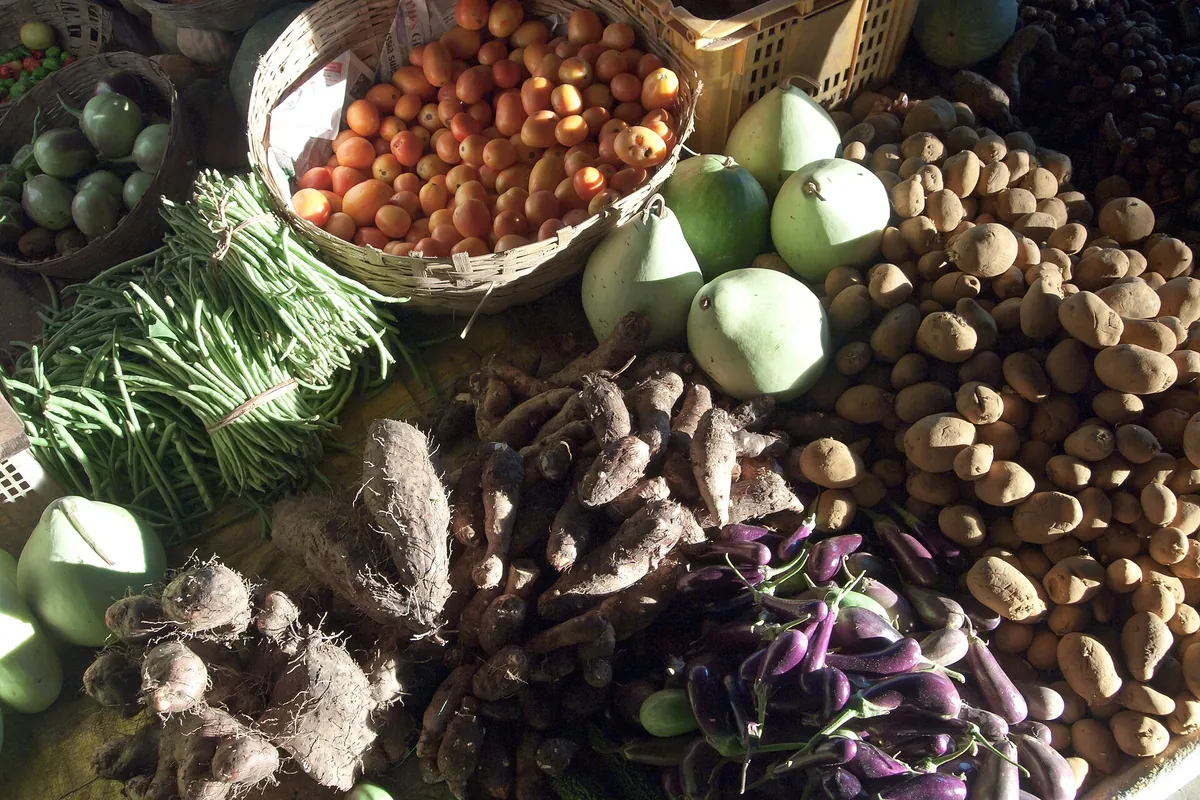
Vegetables. Leafy greens are the risk: wet, muddy, slow to dry and quick to rot. Many households drop spinach and methi for the season and eat gourds, beans and root vegetables. Everything gets washed in running water and, for leaves, soaked in salted water. A cook who buys the vegetables should buy for two days, not a week.
Water. If the house does not have a purifier, the monsoon is when it needs one, and the cook should be told which tap is for cooking and drinking.
Absences. Rain, flooding and transport failures mean the cook will miss days through no fault of theirs. Agree in advance that a monsoon day with a message is leave, not a deduction, and keep enough in the fridge for a dinner nobody cooked.
Festival season, August to November: leave, fasting and the bonus
This is the stretch that ends more cook arrangements than any other, and almost all of it is avoidable with a conversation in month one.
Leave. A cook from another state wants a block, two to three weeks, at the festival of their home: Onam, Durga Puja, Chhath, Pongal in January. A cook from your city wants the days themselves. Agree the block in the first month, write the dates in September, and arrange cover: a tiffin at ₹3,500 for lunch, a one-time cook at ₹900 for the days that matter, or simply a fortnight of simpler food.
Fasting menus. Navratri, Ekadashi, Karva Chauth, the Shravan month: a household that fasts needs the cook to know the rules, which differ by family. Sattvic food without onion and garlic, specific grains, no non-veg. A Jain or sattvic cook at ₹9,000 a month knows these already; for everyone else, a written list of what is and is not allowed, stuck inside the cupboard, is the kindest thing you can do.
Guests. Diwali, Pongal and Christmas bring people to the house. A daily cook can stretch to a few extra with notice and a bit extra in the month. For a party of twenty-five, hire a party cook for the day at ₹1,800 and let the daily cook help or rest. A function of fifty to a hundred is ₹3,500 with helpers at ₹800 each; groceries, vessels and gas are on you, and the party cook will send the list.
The bonus. Half a month to a month's salary, before the festival. On ₹10,000 a month for two meals, plan for it in October. A bonus paid on time is the thing that most reliably brings the cook back after the festival break; a bonus that had to be asked for is the thing they remember.
Winter, December to February: the party season and the review
Weddings and the party season. December to February is when cooks are busiest with functions, and a daily cook with a side line in party cooking will ask for days off. Agree them in advance, and if your own house has an event, book the party cook early.
Menu. Heavier food is fine in winter in the North; in the South not much changes. Winter is also when a diabetic or cardiac household should be most careful, because sweets and fried snacks are everywhere; a special-diet cook at ₹12,000 for one meal a day is a reasonable winter measure for a patient at home.
The annual review. Twelve months in is when the salary conversation belongs. Look at the rate card, look at what the building pays, and raise it a step. Cooks who get a raise without asking stay; cooks who had to ask twice start listening to other offers in the lift.
The whole-year checklist
A household that does these six things once has almost no cook trouble in the year.
- January. Agree the year's festival leave block and write the dates.
- March. Move the summer slot earlier if the cook wants it; set the two-hour fridge rule.
- June. Agree the monsoon absence rule and the two-day vegetable buying.
- September. Confirm the festival dates, book cover, and plan the bonus.
- October. Pay the bonus before the festival.
- The anniversary. The salary review and the five-minute conversation about what is working.
The rule for the year: every date on this list is a conversation that is easy in the month before and hard in the month itself. Have it early.
When the cook is away: three ways to cover
- A tiffin at ₹3,500 a month for lunch, 26 days delivered, no one in the kitchen. Good for two or three weeks of festival leave.
- A one-time cooking visit at ₹900 for the days that matter: guests, a patient, a child's birthday.
- A trial day with a second cook at ₹700. Some households use the main cook's festival leave to try a weekend or backup cook, and keep the number for the next absence.
The nurse and housekeeping guides cover what changes when a patient or a live-in staff member joins the household, which is when the cook's year gets a second set of dates to plan around.