There is no one right way to have your food cooked, and the households that are happiest with their cook are the ones that chose the arrangement deliberately rather than taking whatever the neighbour had. Six decisions, with the trade-offs.
1. Daily cook, live-in cook, or tiffin
A daily cook comes once or twice a day, cooks, and leaves. ₹6,500 a month for one meal, ₹10,000 for two, for a family of four. You keep your kitchen and your privacy; you manage the slot, the groceries and the leave.
A live-in cook lives in your house at ₹17,000 a month, with food and a room on you. Food is available at odd hours, guests are not a crisis, and an elderly parent at home all day is looked after at mealtimes. In return you have another person in the house, a second mouth on the grocery bill, and the responsibility of fair hours and a proper weekly off. With housekeeping added it is ₹20,000.
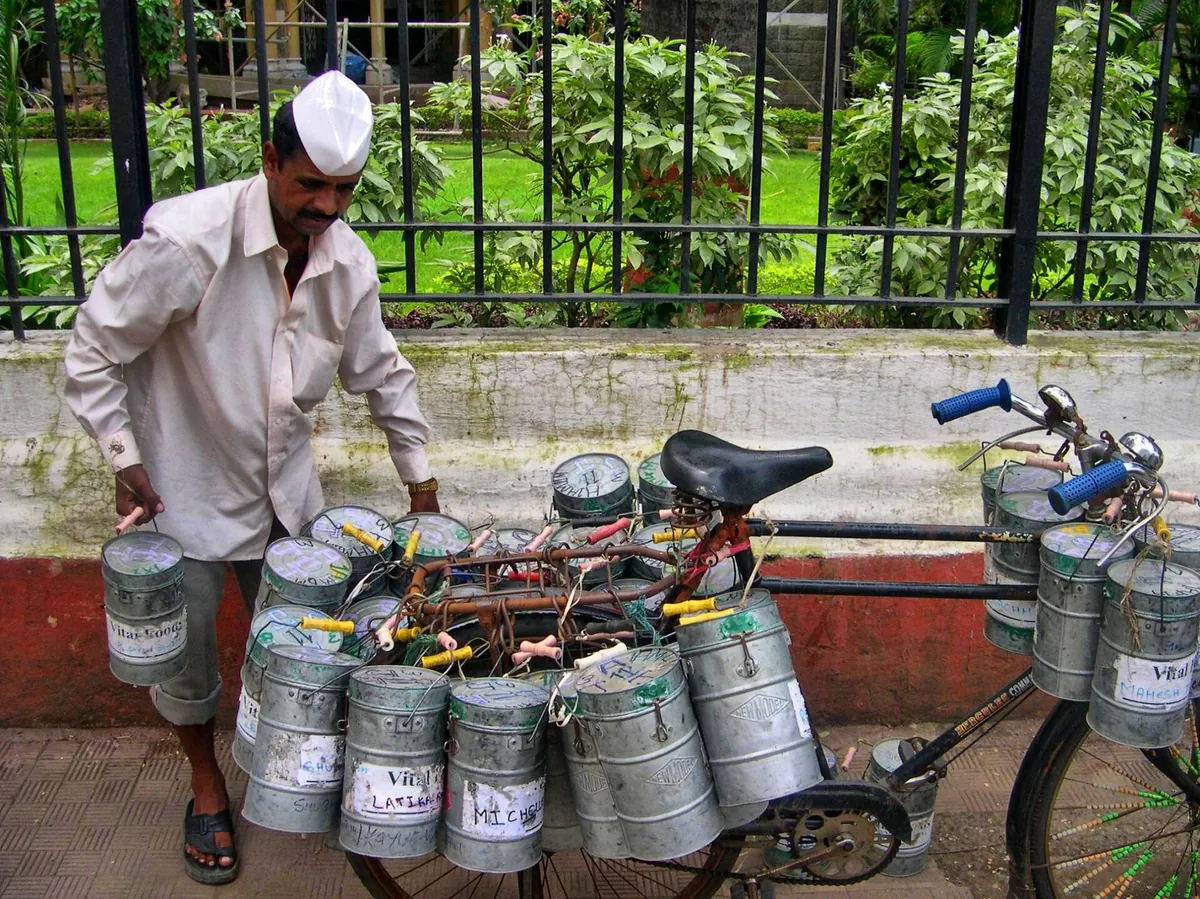
A tiffin at ₹3,500 a month delivers lunch in a dabba for 26 days. No one in the kitchen, no groceries, no leave to manage, and the lowest cost. The trade is choice: you eat what the kitchen cooked, at the time it arrives.
| Daily cook | Live-in cook | Tiffin | |
|---|---|---|---|
| Monthly cost, family of 4 | ₹6,500 to ₹13,000 | ₹17,000 plus food and room | ₹3,500 per person, lunch |
| Your groceries | Yes | Yes, plus one more person | No |
| Control over the menu | Full | Full | None |
| Leave to manage | Weekly off, festival block | Weekly off, a month's notice | None |
| Right for | Most families | Joint families, elderly at home, homes that entertain | Singles, a gap between cooks, a patient alone at home |
When each is right. A working couple or a nuclear family: daily. A joint family with elderly parents, or a home where lunch is for eight and guests are weekly: live-in. One person, or a household between cooks: tiffin.
2. One meal, two, or three
The cook prices by visit. One visit is ₹6,500, two is ₹10,000, three is ₹13,000; breakfast alone is ₹4,500.
One meal suits homes where everyone is out at lunch. The evening visit cooks dinner and enough for the next day's lunch boxes. It works if the fridge is good and the leftovers go in within two hours.
Two meals, morning and evening, is the arrangement most families settle into. The morning visit covers breakfast and lunch at the same time, which is why two is not double the price of one.
Three meals is for homes with people in all day: elderly parents, a patient, small children. Three visits a day is a cook who is at your house as much as their own; many three-meal homes end up going live-in.
The question to ask is not "how many meals do we eat" but "how many times a day does someone need to be in the kitchen". Breakfast and lunch at one visit counts as one.
3. Veg-only kitchen or mixed
A veg household has the simplest hire. A mixed household has two choices.
A cook who cooks non-veg. Add ₹1,000 a month, and have the rules for boards, knives, storage and vessels written down. The cook may or may not eat it themselves; that does not matter if they cook it well and follow the rules.
A veg cook plus non-veg from outside. Some families keep a veg kitchen and bring non-veg in on the weekend from a restaurant, or have one family member cook it. It avoids the hygiene rules and the add-on, and it is more common than people admit.
A cook who will not cook non-veg at all is not the wrong cook; they are the wrong cook for a house that eats it daily. Settle it on the phone.
4. An ordinary cook or a diet cook
A special-diet cook at ₹12,000 a month for one meal is a different hire from a daily cook at ₹6,500. The premium is for following a plan exactly: a dietician's chart, a renal diet, cardiac, post-surgery, diabetic with measured carbohydrates.
Diet cook when there is a diagnosed condition with a written plan, when the food is part of the treatment, or when a patient is home from hospital on instructions.
Ordinary cook, told clearly, when the house wants "less oil, less salt, no sugar in the dal". Any decent cook does this when asked specifically, and the oil bottle with the month's quantity marked does most of the work.
Jain or sattvic cook at ₹9,000 when the house keeps those rules every day, not only on fast days.
A common mistake is paying the diet rate for a household that only needed a conversation. Another is paying the ordinary rate and expecting a renal diet to be followed from memory.
5. Agency or direct
Direct, through TheHire. You post, up to three ID-verified cooks call back, you run a paid trial at ₹700 and agree the month yourselves. No fee, the cook's own rate, public reviews. Right for a daily cook when you have a week to run a trial.
An agency. A placement fee, often part of a month's salary, and in return a candidate quickly and often a replacement within a period if it fails. Right for live-in, where a replacement guarantee matters and trials are hard to run, and for a cook needed by Monday. Read the replacement clause before paying, and ask whether the cook gets the full salary.
6. A cook of your own or a shared one
In apartment complexes, a cook often does three or four homes in a row, and some neighbours share one deliberately: the cook does both homes in one slot, each pays a little less than the full rate, and the cook earns more per hour than from either alone.
Sharing works when both homes eat similar food at similar times, both are relaxed about the exact minute the food is ready, and the two households get on. It fails when one home adds guests every weekend and the other does not, or when the slot has to serve two lunch boxes at 8 am.
Your own cook costs the full ₹10,000 for two meals and gives you the slot, the menu and the attention. For a family with a patient, small children or a diet, this is the one to choose.
Three arrangements that are usually a mistake
- Live-in for a couple in a 2 BHK. There is nowhere for the cook to be during the day, and nowhere for you to be alone. A two-meal daily cook does the job.
- Three meals from a cook with four other homes. The slots will not hold. Three meals is a live-in or a cook with one other home at most.
- A party cook for the daily job, or a daily cook for the party. A party cook at ₹1,800 a day cooks for twenty-five at a time and is bored by four; a daily cook asked to feed twenty-five on the daily rate will do it once and not again. Hire each for what they are.
The rule: decide the arrangement before you post. "Two meals, veg, family of four, daily, direct" gets you the right three cooks calling back. "A cook" gets you the wrong ten.
The how-it-works guide covers the trial day, the pay cycle and leave once the arrangement is chosen; the cost guide has the full rate card.