A beautician at home works out of a bag, and what is in it, and what is not, decides how safe the service is. Before the first booking, know what the beautician brings, what you provide, which hygiene rules are not negotiable, and which products are worth paying more for.
What the beautician brings
For every service on the rate card, the beautician brings the products and the tools. Specifically:
- Facials and cleanups. Cleanser, scrub, a steamer, blackhead tools, massage cream, the mask or the branded kit, and the cotton, tissue and headband that go with it.
- Waxing. A wax heater, the wax, strips, spatulas, pre-wax cleanser and post-wax oil or lotion.
- Threading. A reel of thread and talc.
- Hair. Scissors, combs, clips, a hair dryer, a straightener if the service needs one, colour and developer, the spa cream, and a cape.
- Nails. Clippers, pushers, files, buffer, cuticle remover, polish or gel with a lamp, and a soak bowl.
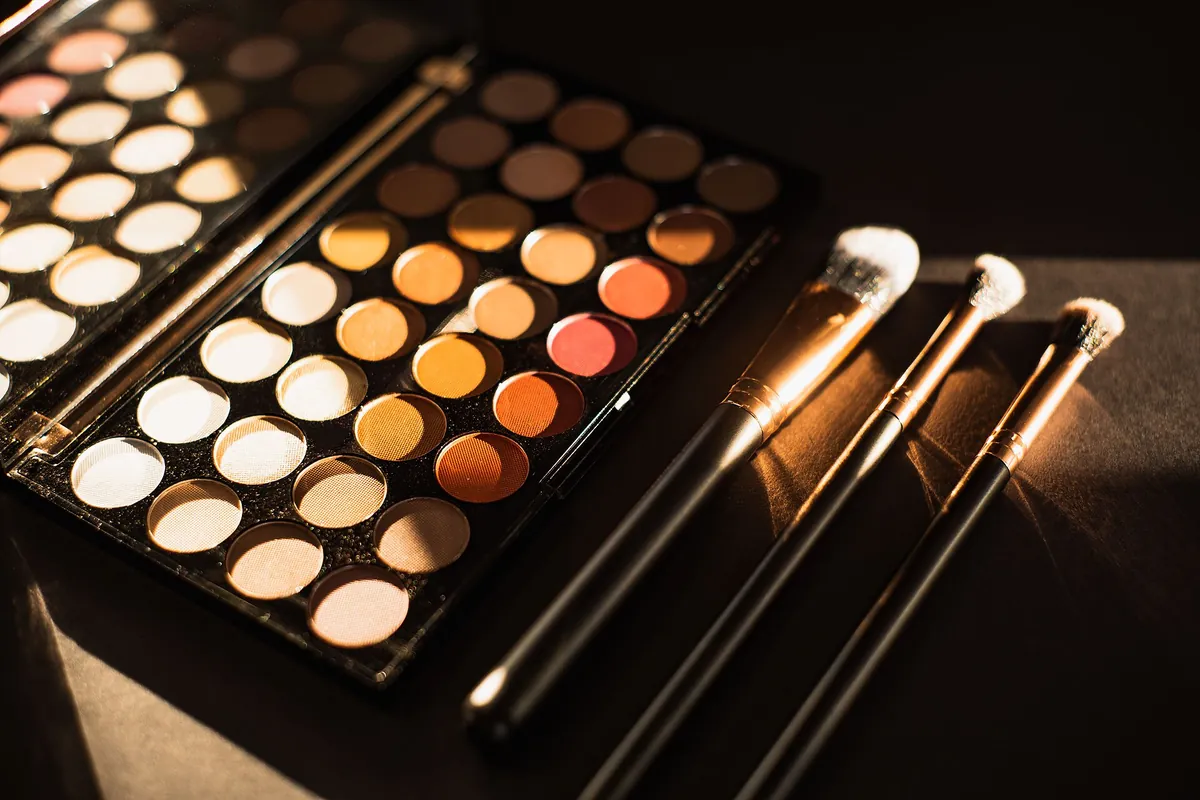
- Makeup. The full kit: primer, base, concealer, powders, eye products, lashes, lip colour, setting spray, brushes and sponges.
- Mehndi. Cones, lemon-sugar for setting, and tissue.
What you should see: products that are sealed or clearly in use with a professional (not a sample), tools that come out of a sterilising pouch or a clean case, and consumables, strips, spatulas, thread, sponges, cotton, that are fresh for you.
What you provide
- The room. A bed or a reclining chair, a clean sheet and towel of your own, a chair for the beautician, good light, a socket within reach of the bed for the steamer, the heater or the straightener, and a fan or AC that can be switched off during a facial.
- Water. Hot water for a pedicure and for cleaning tools, a basin, and a tub if you are booking a pedicure.
- The reference. For makeup, two or three photographs of the look you want and the outfit on a hanger, so colours are matched to the fabric and not to memory.
- Your history. One sentence: "I react to bleach", "I have been on a retinoid cream", "my scalp is sensitive to ammonia colour". Said at booking, not at the door.
- A clear table. A side table or a tray for the kit, wiped. A beautician working off the floor is working slowly.
The hygiene rules that are not negotiable
These are the rules that separate a professional from someone with products. Watch for them on the first visit, and say so if you do not see them.
- No double-dipping. The wax spatula goes into the pot once and is thrown away. A spatula that has touched skin and goes back into the wax carries the last client's skin and bacteria to yours. Enough spatulas for a full-body wax is a fistful; that is normal.
- Fresh thread. From a reel, in front of you. Not a length from a pocket.
- Fresh consumables. Strips, cotton, sponges, headbands, tissue, nail files. A used sponge in a makeup kit is the fastest way to a breakout the week before a wedding.
- Steel tools from a pouch. Clippers, pushers, blackhead extractors, scissors, from a sterilised pouch or at least wiped with alcohol in front of you.
- Hands washed before starting, and gloves for colour and waxing. A beautician who sits down and starts is not one to have back.
- Clean brushes. Makeup brushes cleaned between clients, or a set for you. Ask; the answer should be a shrug and a bottle of brush cleaner.
- Nothing shared between clients that touches a face. Lip colour from a palette with a spatula, mascara with a disposable wand, lashes new.
The rules are the same whether the service is ₹120 for threading or ₹9,000 for the wedding.
Patch tests: where, when and for what
A patch test is a small amount of the product on the inner forearm or behind the ear, left 24 to 48 hours. It takes five minutes the day before and it is the only way to find out, before your face, whether a product will react.
Always: hair colour, bleach on the face, keratin or smoothening, and any facial kit or peel you have not used before.
Sensible: a premium facial you are having for the first time, Rica wax if your skin is reactive, and a new base before a wedding.
A professional offers it. A beautician who says "nobody reacts to this" is the one to be careful with. For colour at ₹1,200 and keratin at ₹4,500, the visit for the patch test is part of the job, not an extra.
Products: what the brands mean and when to pay more
You are not expected to know brands. You are expected to ask, and to see the kit.
Facial kits. A basic facial at ₹700 uses a fruit or herbal kit from a professional brand. A premium one at ₹1,500 uses a branded gold, diamond or O3+ kit, which is dearer because the kit is. Ask which, and ask to see it sealed. A premium price with an unbranded jar is the wrong deal.
Wax. Hot wax, the ordinary kind, for arms and legs. Rica or liposoluble at ₹400 on top for sensitive skin, the face, underarms and bikini. Peel-off for the face. Brands change; what does not change is the spatula rule.
Hair colour. Ammonia-free costs more and is gentler on a sensitive scalp. Root touch-up at ₹1,200 covers short to medium hair; long hair is extra and a professional says so on sight.
Makeup. For bridal, the base is the thing: HD or airbrush, matched in daylight at the trial. The brand matters less than the match and the setting. For party makeup at ₹2,500, a good artist works with what suits your skin, and if you have a base you know, bring it out.
Mehndi. Natural henna cones, dark from the henna and the time, not from a chemical. "Instant black" mehndi contains PPD, a hair-dye chemical, and causes burns and lasting reactions on some skin; a professional will not use it on a bride and should not use it on anyone.
What to buy for yourself
A few items are worth owning so they are not borrowed from a bag.
- Your own towels and a sheet for the bed, washed after each visit.
- A headband and a hair clip, so you are not sharing one.
- Aloe gel or a calming lotion for after waxing and facials.
- A broad-spectrum sunscreen, because every facial, de-tan and peel makes skin more sensitive to sun for days.
- Your base and lipstick if you have ones that suit you; an artist will use them.
- A pedicure tub if you book pedicures regularly; a plastic one from any store does the job.
These cost little and they mean the only thing you rely on the bag for is the professional product.
What not to buy, and what not to accept
- Fairness or whitening facials and peels offered without a dermatologist. The claims are not worth the irritation.
- Black mehndi of any kind.
- A product the beautician opens that has no label, decanted into a jar. You cannot patch test what you cannot identify.
- Bleach on the face without a test, ever, at any price.
- A keratin without a strand test and without a proper flat iron with a temperature setting.
The rules to agree on the first booking
Write them in the request or say them on the phone. Services and prices by line. The visit charge, around ₹150, waived on a completed booking. The start time, and for a function the time you need to be ready by. Patch test the day before for colour and anything new. Who provides the tub and the towels. What happens if you cancel on the day; a professional asks for the visit charge and nothing else.
The how-it-works guide covers the booking, the trial for bridal work, the group booking and cancellations; the essentials guide covers the five things that matter most once the beautician is in the room.